USA
USA
 Canada

High-Quality Tattoo Ink - High-Quality Tattoo Ink
Filters
Products:




What Actually Makes Tattoo Ink High-Quality?
"High-quality" as a label does no work on its own. The properties behind it are concrete, the things an artist feels in the machine and sees in the healed result, and four of them carry most of the weight.
Pigment load is how much colourant the bottle carries relative to carrier. A heavy load packs solid colour in fewer passes and holds saturation as the carrier disperses, which is what bold fill and traditional work demand; a lighter load moves more easily as a wash but builds density slowly. Neither is "better" on its own; the right load is the one that matches the technique, and the quality question is whether the brand holds that load consistent across the line.
Particle consistency is how evenly the pigment is milled. Fine, uniform particles settle into the dermis where you place them and heal clean; coarse or unevenly sized particles spread more and soften fine detail over the years. This is the single property most responsible for whether a line still reads crisp a decade on, and the hardest to judge from a label, which is why brand track record matters here.
Carrier chemistry is the base that suspends the pigment, usually distilled water, glycerin, and witch hazel. It governs how the ink flows at the needle and how it settles as the carrier is absorbed. The quality signal is disclosure: a brand that publishes its base gives you something to verify against a client's history; one that publishes nothing is asking you to trust the label over the chemistry.
Batch repeatability is whether the same shade from a fresh bottle behaves like the last one. Multi-session work falls apart when a colour matches on day one and drifts on the follow-up, so repeatable batches are the quietest but most important marker, and the one "high-quality" is really shorthand for. A brand that formulates in controlled, tested batches earns that word; one that doesn't can't promise it.
Run any ink through those four and the word stops being marketing and starts being a checklist. It's worth saying what high-quality is not: the words on the front of the bottle. "Premium," "professional," and "non-toxic" are positioning terms with no measured standard behind them in tattoo ink, useful as the phrases people search, useless as proof of anything in the bottle. A brand earns the word by holding pigment load steady, milling fine and even, disclosing its carrier, and testing its batches, not by printing the adjective. The brands below each lead on a different one of those four.
Which Brands Deliver on Each Quality Marker
Eikon carries seven professional brands, and the useful way to read them is by which marker each is strongest on. (For the full head-to-head across styles, see the best tattoo ink brands comparison.)
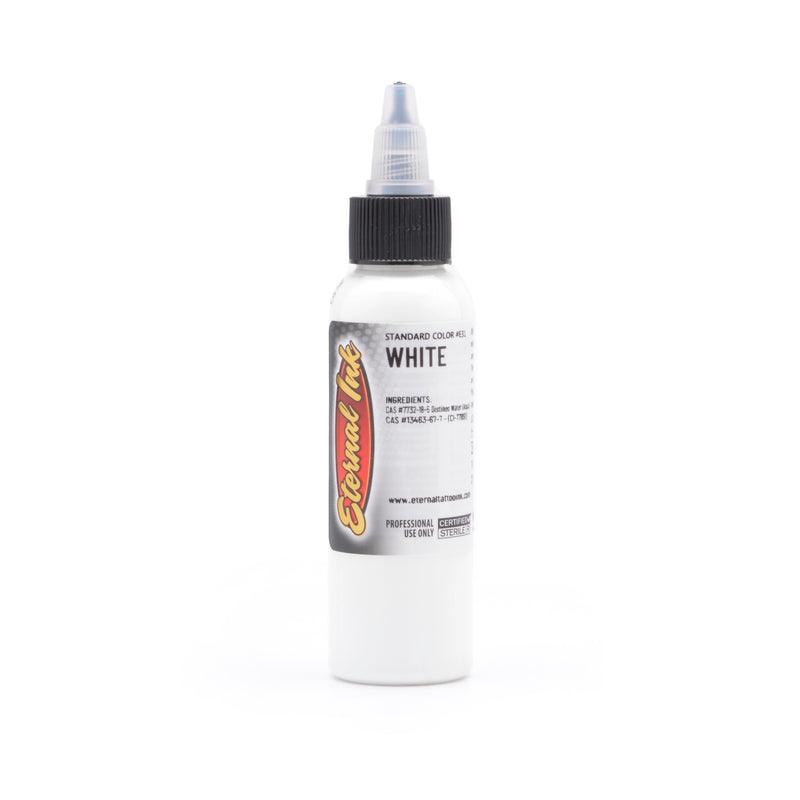
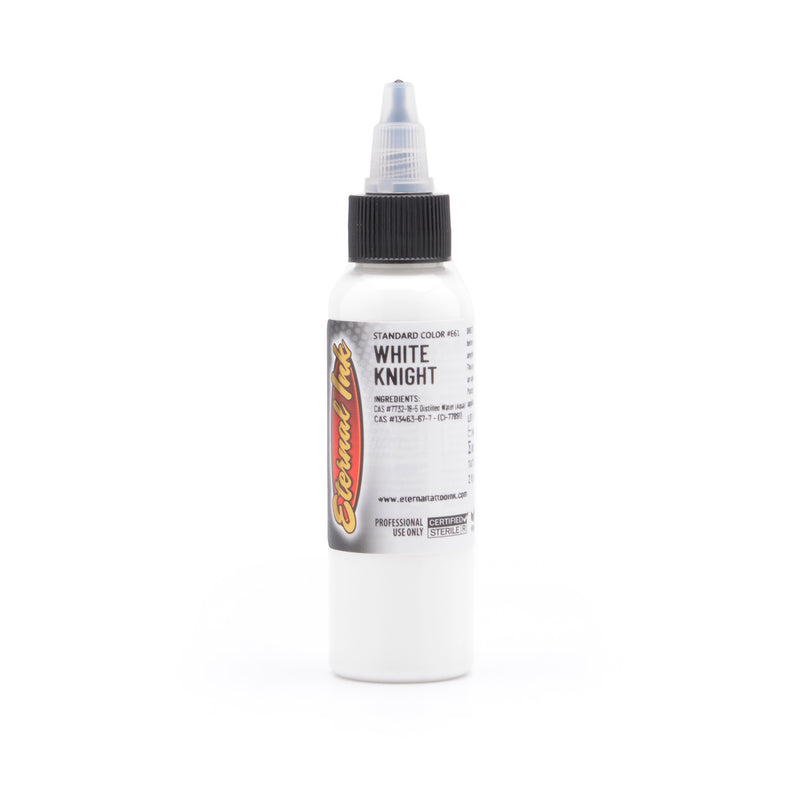
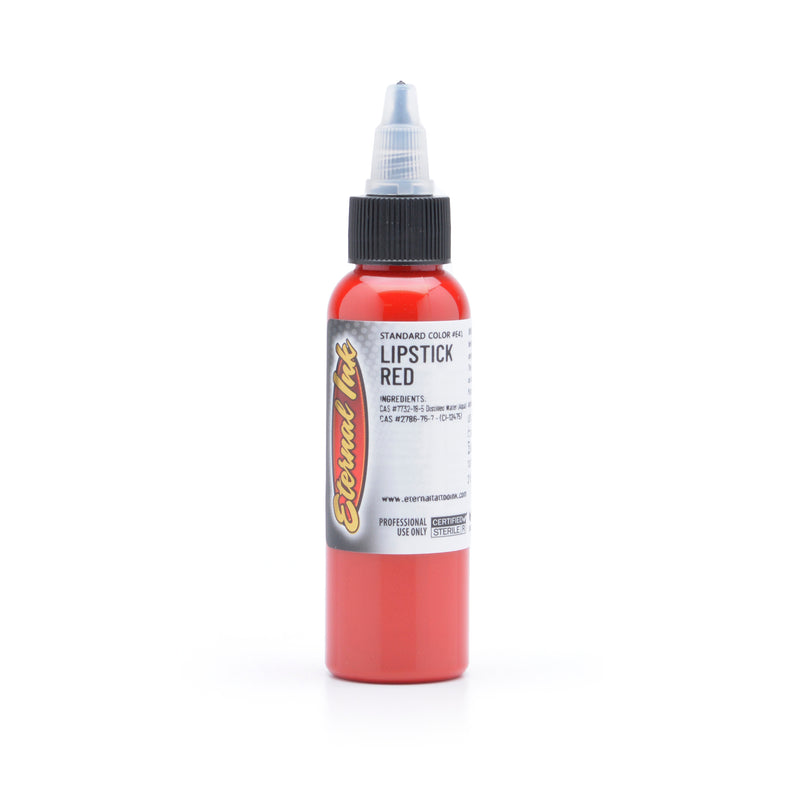
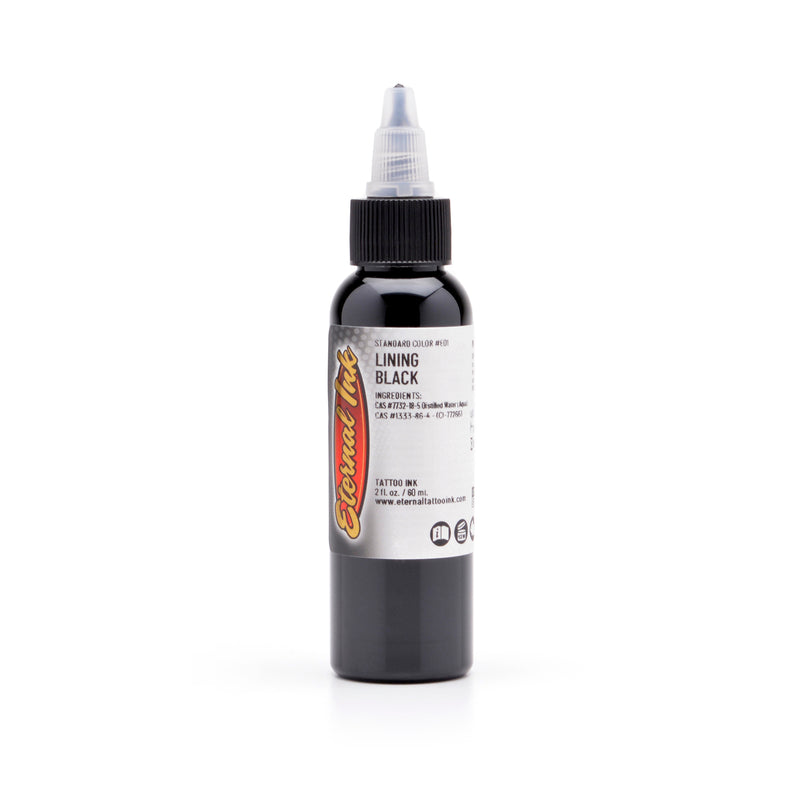
Eternal — quality you can verify. Eternal publishes a Color Index number for every shade in a 300-plus catalogue, the deepest disclosure on the shelf. When "high-quality" needs to mean checkable, this is the brand: confirm the exact pigment before it goes near a reactive client, and replicate a colour exactly across sessions.
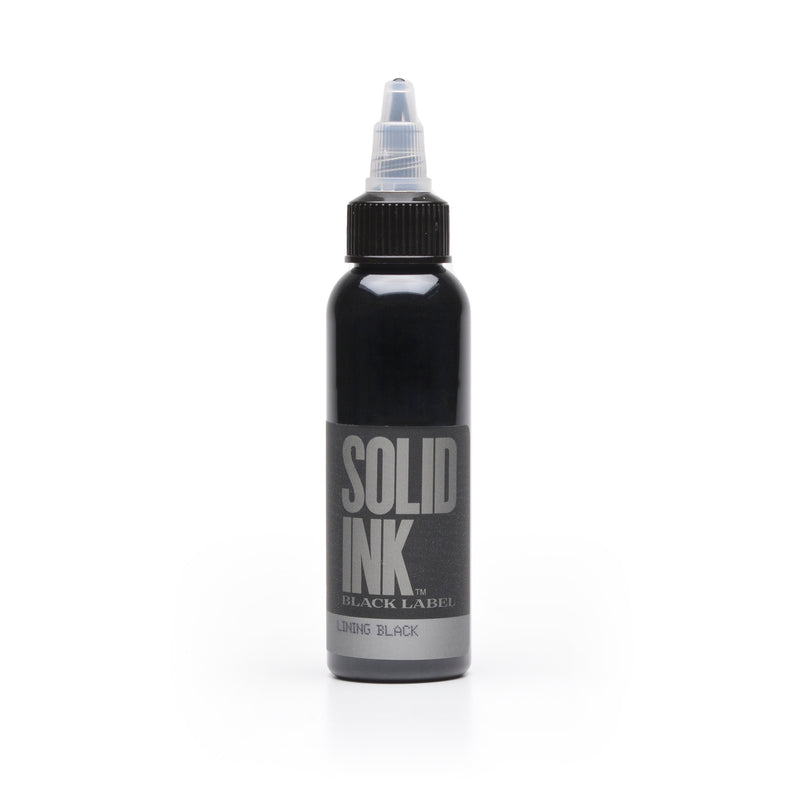
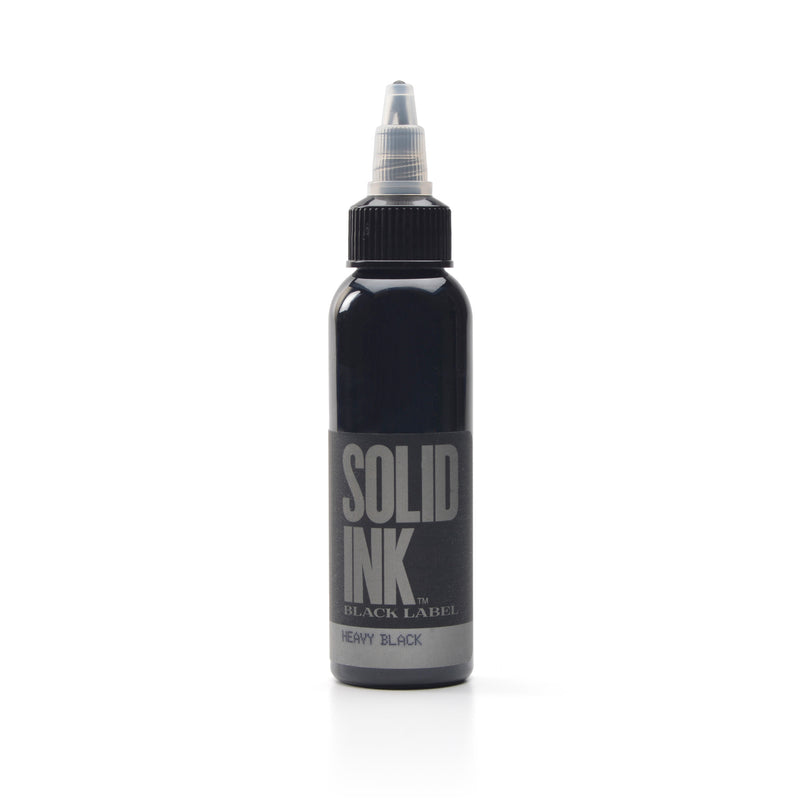
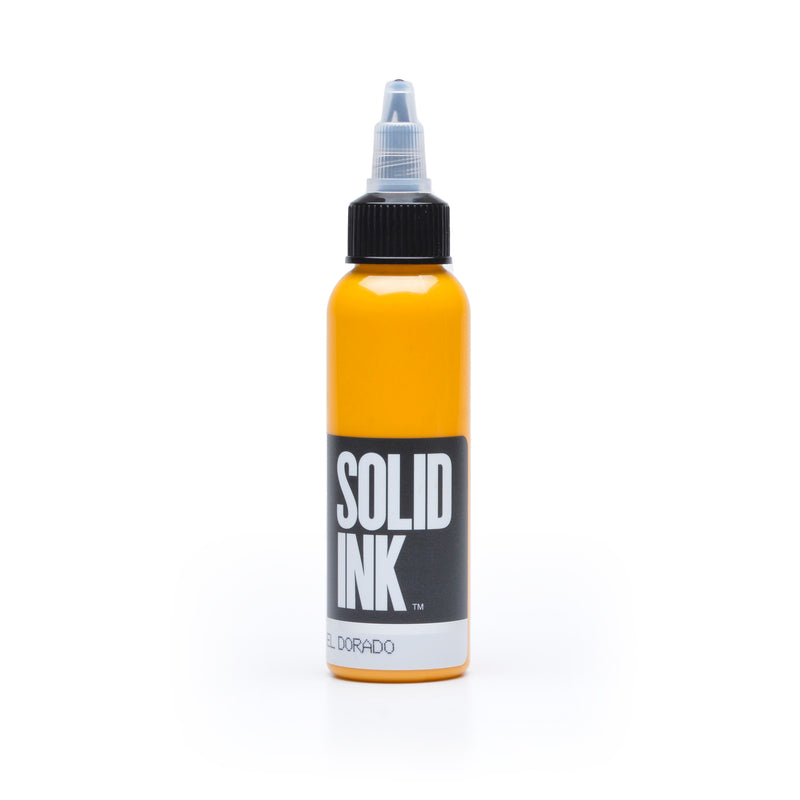
Solid — the formulation you can audit. Solid publishes its complete carrier base (vegetable glycerin, distilled water, witch hazel) and is 100% vegan and gluten-free, so for a reactive client you can read exactly what's going in rather than guess. Its quality marker is a fully disclosed formulation backed by a deliberate two-tier black, a lining black for clean edge definition and a Heavy Black for concentrated fill, plus a grey wash set, so a black-and-grey artist can stay inside one consistent, disclosed line from liner to softest value.
Fusion — consistency across the range. A broad colour line with even pigment load shade to shade, plus the Gradient System for pre-mixed tonal steps. The marker here is repeatable colour value when you're matching across a large, multi-session piece.
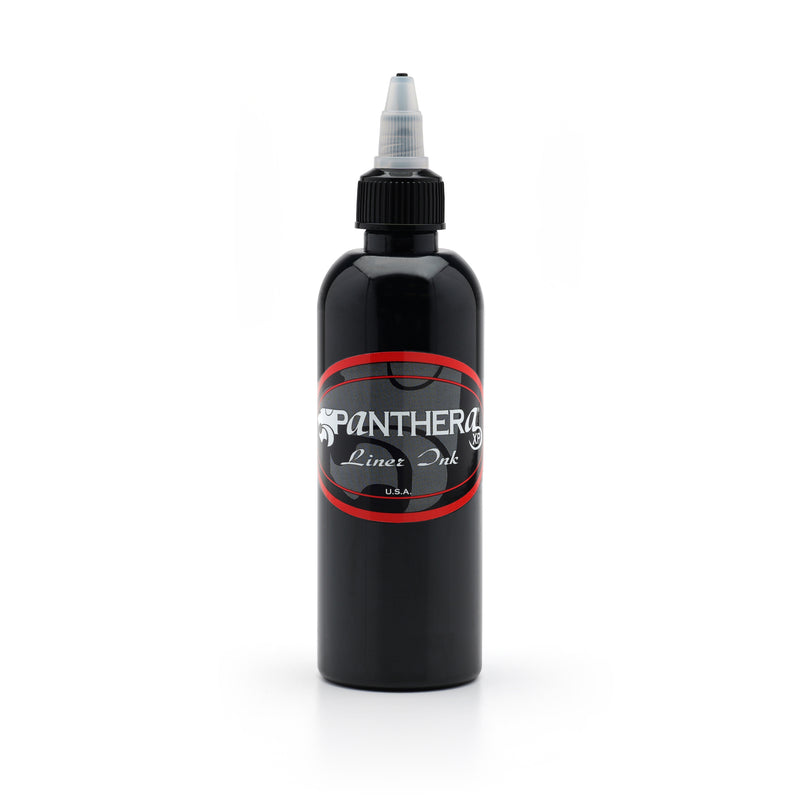
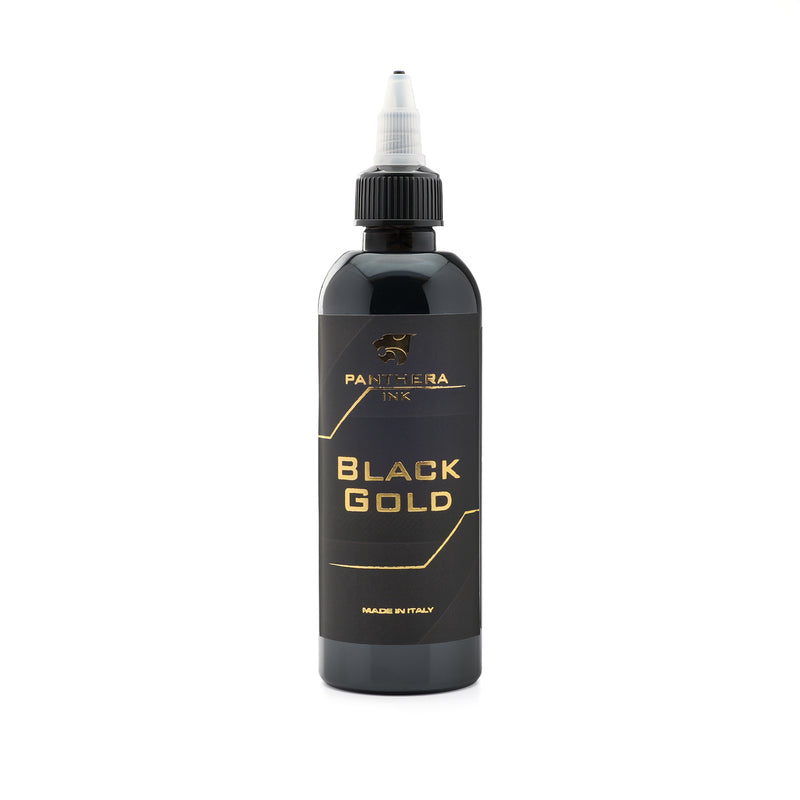
Panthera — black built to a standard. Italian-made and REACH-formulated, with distinct Liner, Tribal Black XXX, and Nonnweiler greyscale formulations. Black work is where inconsistency shows first; Panthera's lever is formulating each black for its job rather than diluting one down.
Empire — reproducible value. Three four-stage wash systems pre-mixed to behave the same batch to batch, quality as repeatability. For portrait and realism, where tonal steps must land identically every session, that's the whole game, lay the same value on two clients a month apart and it reads the same.
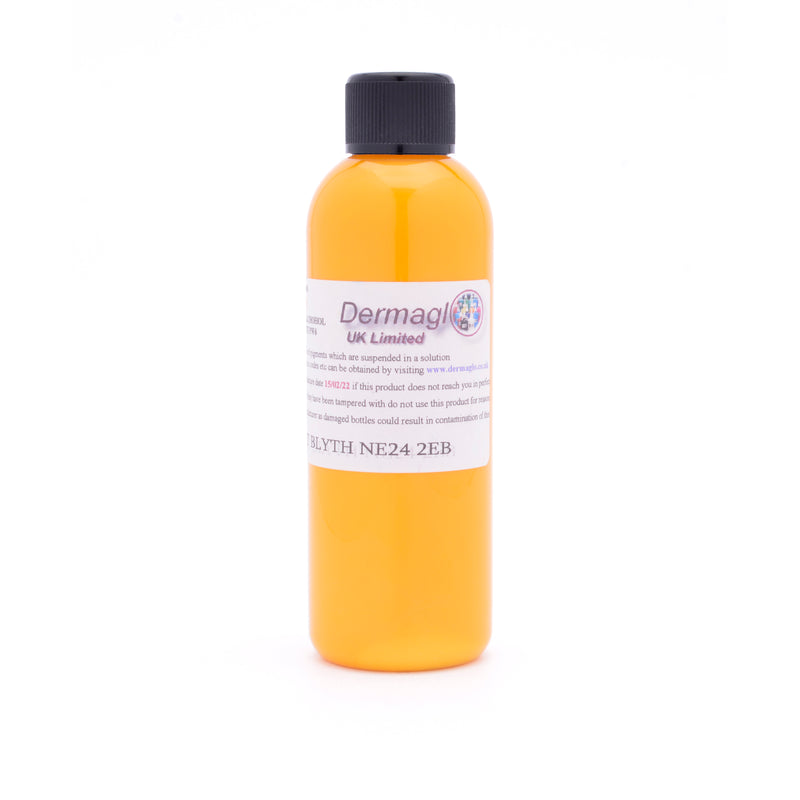
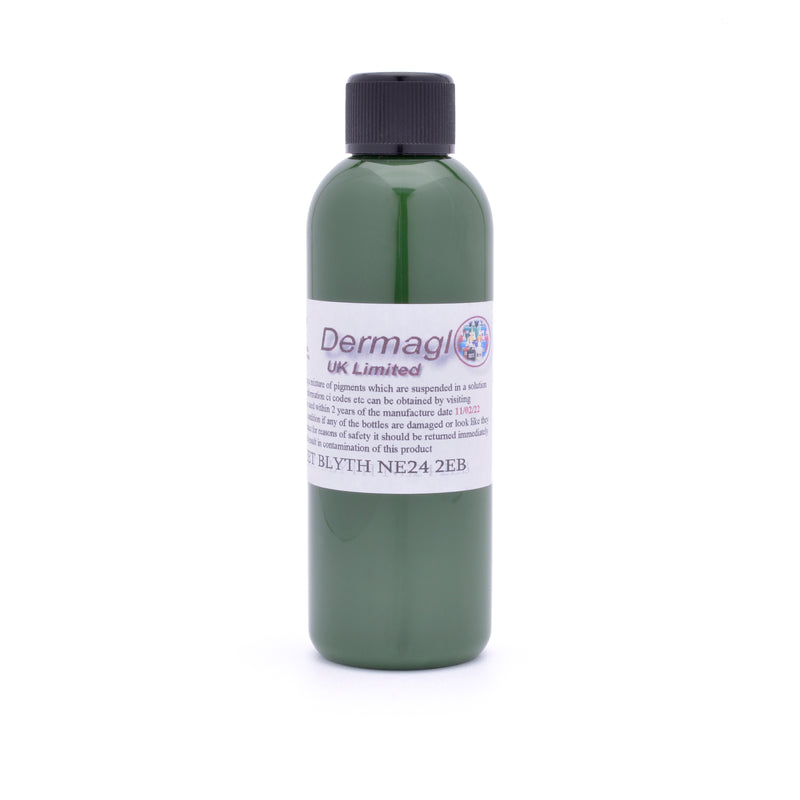
Dermaglo — decades-stable density. A heavy-pigment traditional palette whose formulas haven't drifted in over twenty years. The marker is continuity: the same saturated shade, year over year, which is what traditional colour-packing depends on when a sleeve gets finished across many sittings.
Kwadron — fine, uniform milling. Kwadron's single ink, Inx Enriched Black, is built with its SONIC DIFFUSION process for even particle dispersion in one black that both lines and shades, a focused take on the particle-consistency marker.
Which Quality Marker Matters Most for Your Work
Not every marker carries equal weight for every style, the fastest way to choose is to match the property to the work in front of you.
-
Fine line and single-needle — particle consistency first. Fine, uniform milling keeps a hairline crisp as it heals, and it's where coarse pigment shows up worst. Eternal's milled standards and Kwadron's SONIC DIFFUSION black are built for it.
-
Traditional and bold colour — pigment load. You want dense saturation laid in a slow pass that still reads in ten years, so the heavily-loaded lines win: Dermaglo's traditional palette and Eternal's saturated standards.
-
Black-and-grey realism — batch repeatability. Tonal steps have to land identically session to session, which is exactly what Empire's pre-mixed wash stages and Panthera's per-job blacks are formulated to do.
-
Colour realism and multi-session work — disclosure plus repeatability. When you have to replicate a shade weeks later, Eternal's per-shade Color Index numbers and Solid's published base let you do it by reference, not memory.
The point isn't a single best ink, it's matching the marker that governs your work to the brand that leads on it. Most working studios end up running two or three: a disclosed colour line, a specialist black, and a wash set that repeats batch to batch.
How to Judge Quality Before You Buy
You don't need a lab to assess ink quality; you need to know what a brand will tell you. Four checks settle most decisions:
Will it show you what's inside? Per-shade Color Index numbers (Eternal) or a published carrier base (Solid) are the strongest disclosure signals. A brand that publishes nothing beyond shade names is asking for trust the chemistry hasn't earned.
Does the catalogue depth fit how you work? A compact wash-specialist line and a 300-shade colour catalogue are both "high-quality" for different artists. Match the breadth to your practice rather than buying range you'll never open.
Does the black system match the technique? Lining and fill want different pigment loads. A brand with a deliberate multi-tier black (Solid, Panthera, Empire) hands you the right tool per job instead of forcing you to thin or build from one bottle.
Can you pull the safety data sheet? Every reputable line has an SDS, and a brand that makes it easy to get is one confident in what's in the bottle, it's also the document you'll actually need for a sensitive client. Every brand here is from a Health-Canada-notified manufacturer, which meets Health Canada's impurity and microbial limits; that's the shared floor under all seven, so quality is the question above the floor, not the floor itself.
High-Quality Ink and Sensitive Clients
For a client with a known sensitivity, the variable is the pigment family, not the brand name. The most-documented sensitiser in the tattoo palette is Pigment Red 170 (CI 12475), the naphthol red used across most brands' warm reds a property of the chromophore, not a failing of any one brand. Pull the SDS for the specific shade before booking; where a brand publishes CI numbers (Eternal), confirm the exact pigment first. A 24-hour patch test is the standard precaution regardless of the label, and "high-quality" never means "reaction-proof" no honest brand claims that, and the most disclosed brands are simply the ones that let you do the homework.
Buying Professional Ink at Eikon
All seven brands are sold to verified professionals on a Pro Account the trade policy across the ink catalogue, and ship Canada-wide from Eikon's Kingston, Ontario warehouse. Per-brand SDS files are available for every line, which is the document to reach for with an ingredient-sensitive client.
Ready to go deeper on a brand? The dedicated Eternal, Empire, and Dermaglo pages break down each line by set and use case. Setting up a full station? Add your ink to the same order as professional tattoo cartridges ink and hardware ship together from the same Kingston warehouse.