USA
USA
 Canada

High Saturation Colour Tattoo Ink - High Saturation Colour Tattoo Ink
Filters
Products:
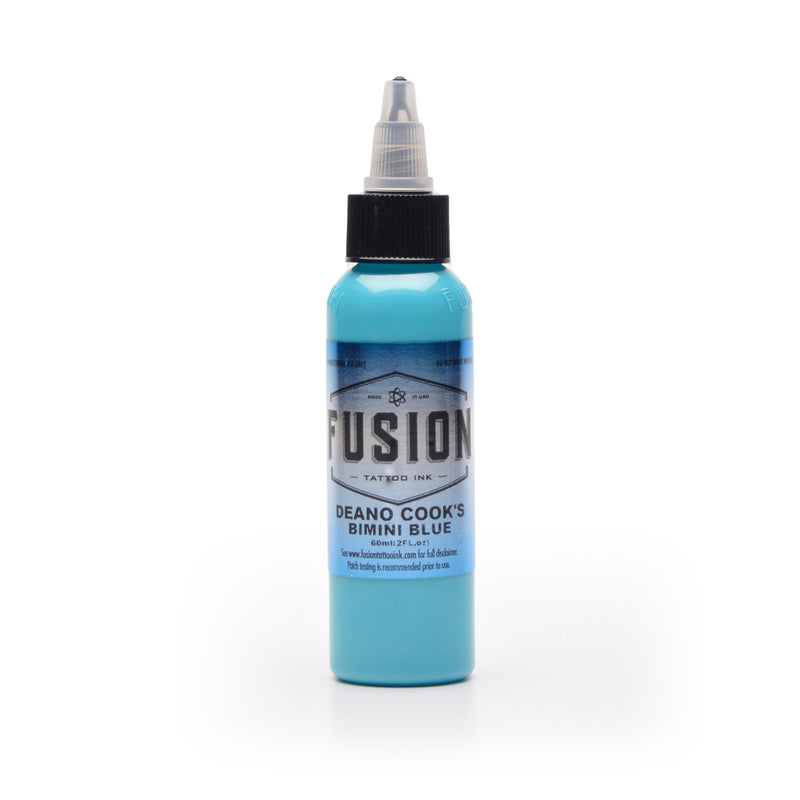
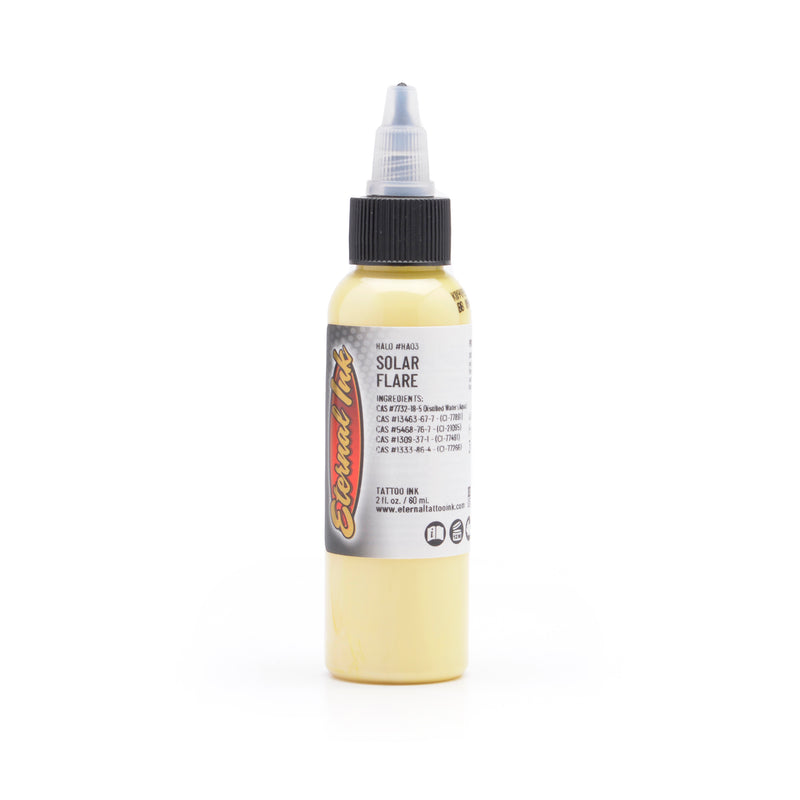
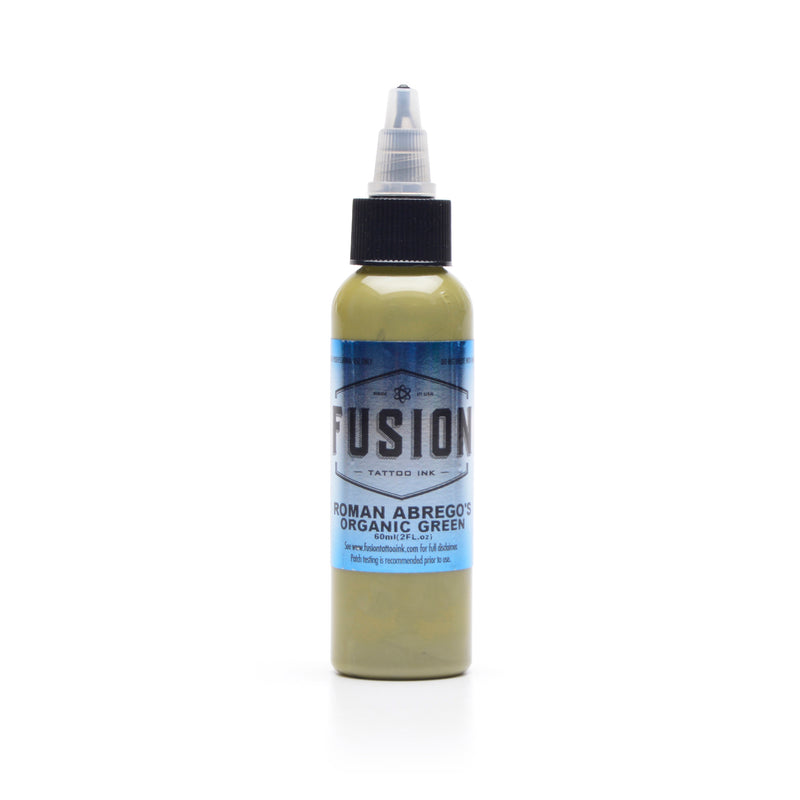
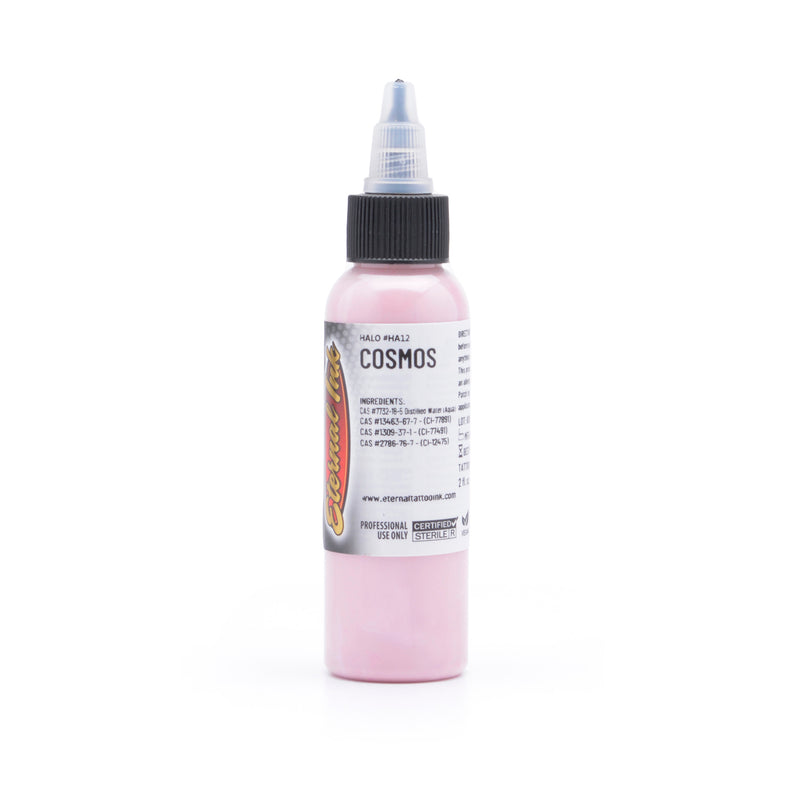
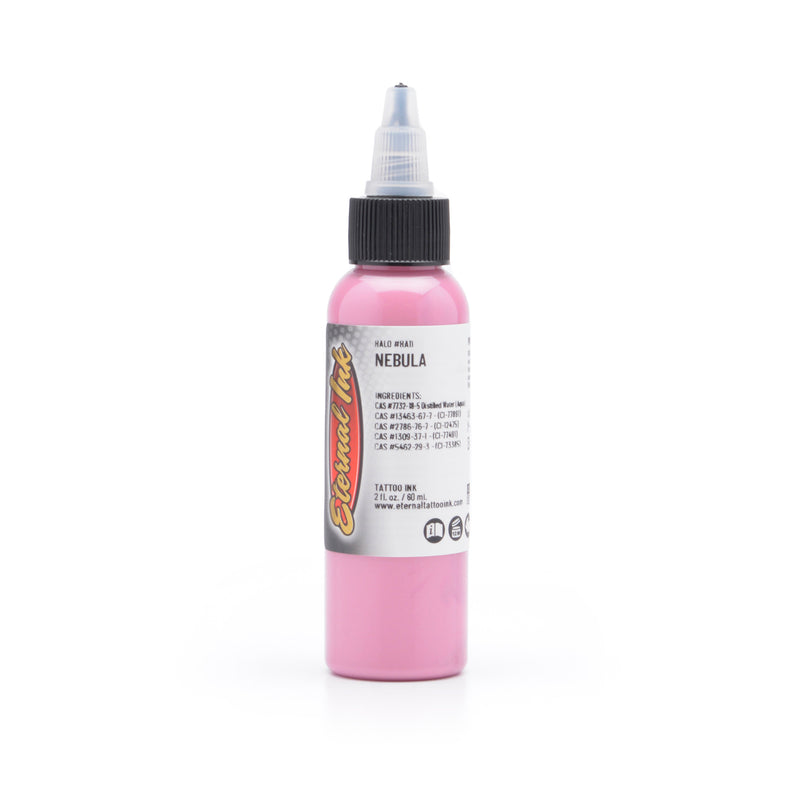
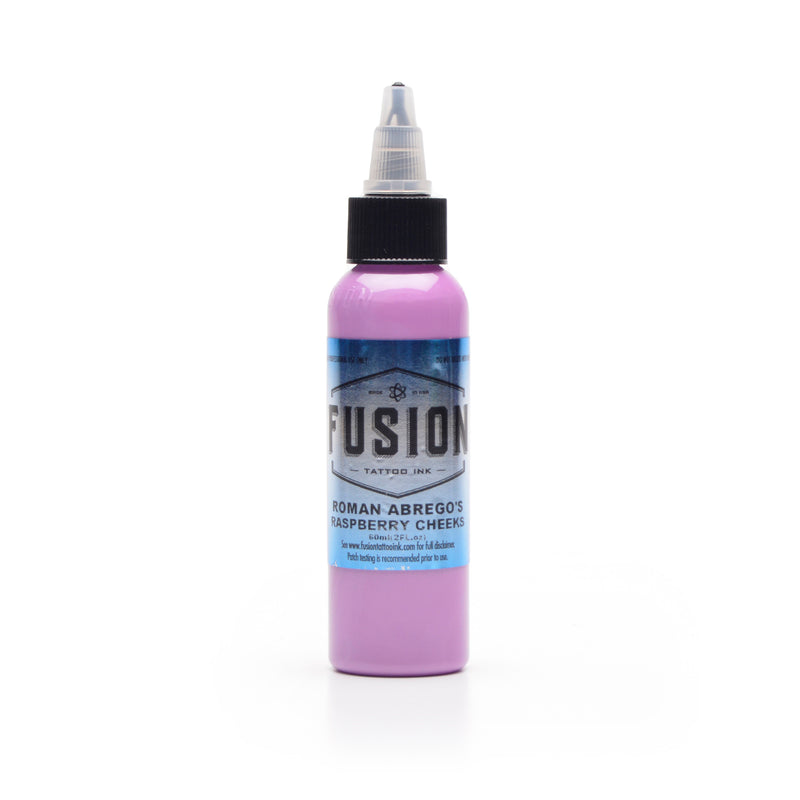
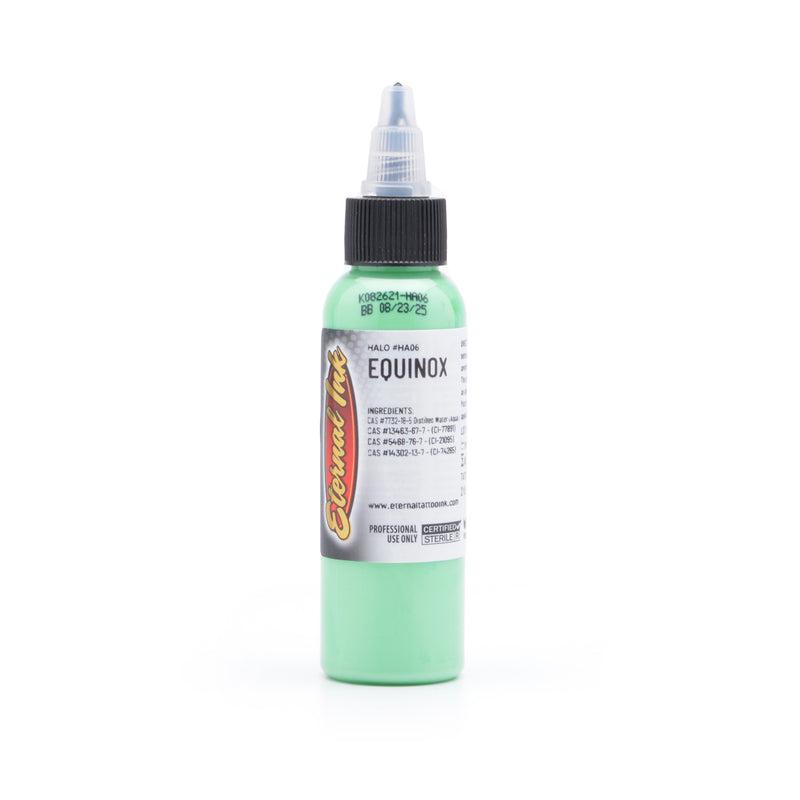
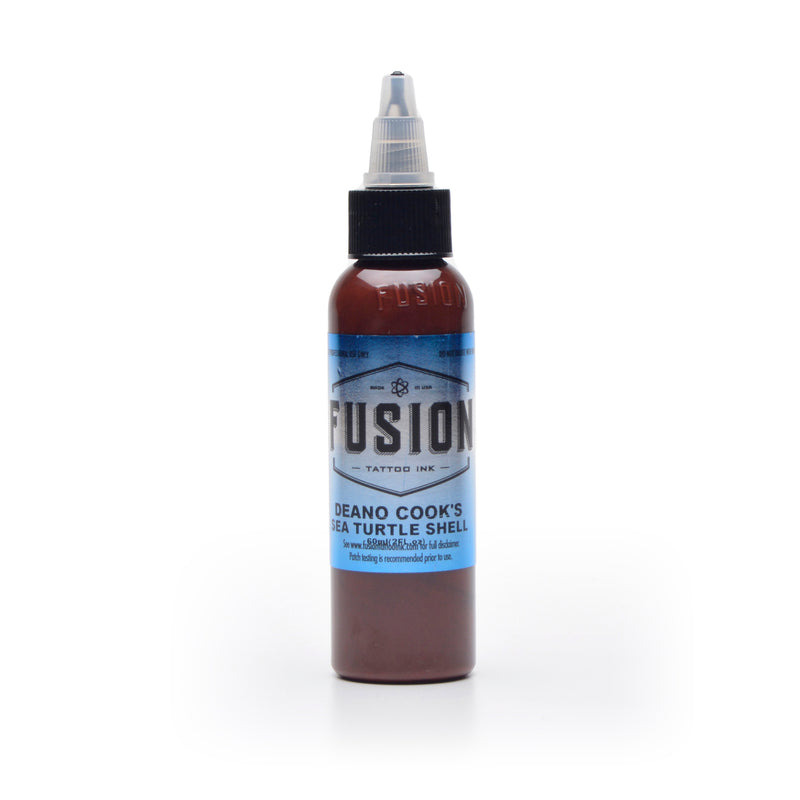
Saturation Is What You See, Not What's in the Bottle
Saturation and pigment load are different properties, and this is the distinction worth getting right before comparing any two ranges.
Load is what went into the carrier. Saturation is what reads back out of healed skin. How much pigment is in the bottle is a formulation fact you cannot see; saturation is the outcome you can, months later.
A densely loaded colour put in thin can read weaker than a moderate one put in solid. The bottle is only half the answer.
What Makes a Colour Read Saturated Once Healed?
What reads as saturation is really separation — how clearly the colour stands apart from the skin around it. A colour put in solid holds that separation; the same colour put in thin loses it, however bright it looked going in.
The pigment family matters as much as the brand. Naphthol-based reds are UV-sensitive and soften toward a dull pink; blues are more likely to shift than fade, drifting green as warmer skin undertones read through the thinning layer; yellows and oranges wash out fastest, and more so without black structure enclosing them.
None of this runs on a clock — placement, sun exposure and the client's own skin do as much work as the pigment.
Saturated Is Not the Same as Opaque
Two properties artists trade on, routinely conflated.
Opacity is how much of what is underneath a colour hides. Saturation is how intensely the colour itself reads. An opaque colour can be muted; a transparent one can read intensely.
The distinction decides which colour you reach for over existing work versus on clean skin — and it is why "high saturation" and "high opacity" are not two names for the same property.
The Most Saturated Ranges We Carry
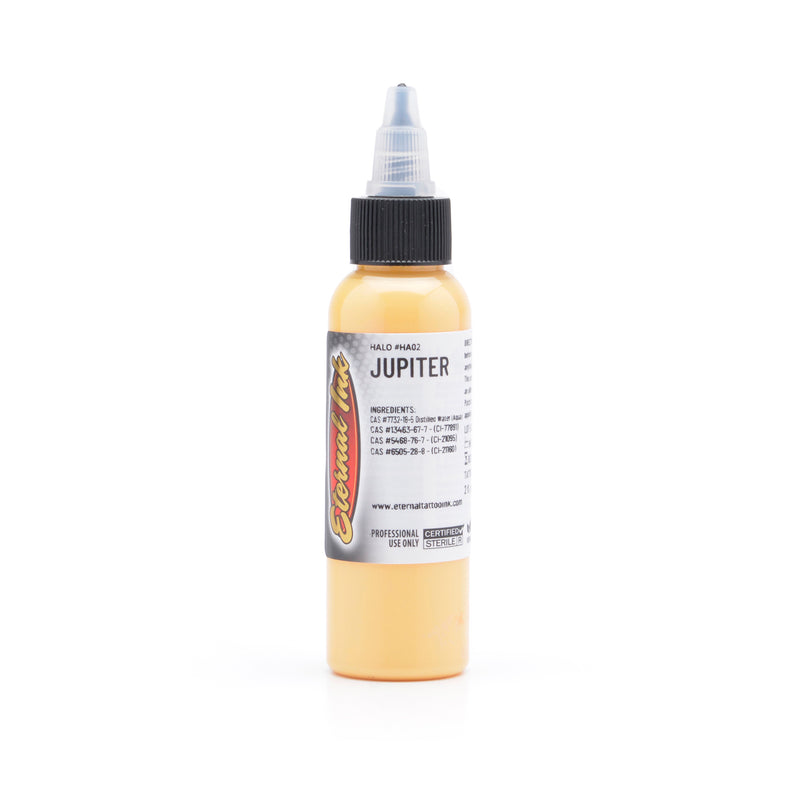
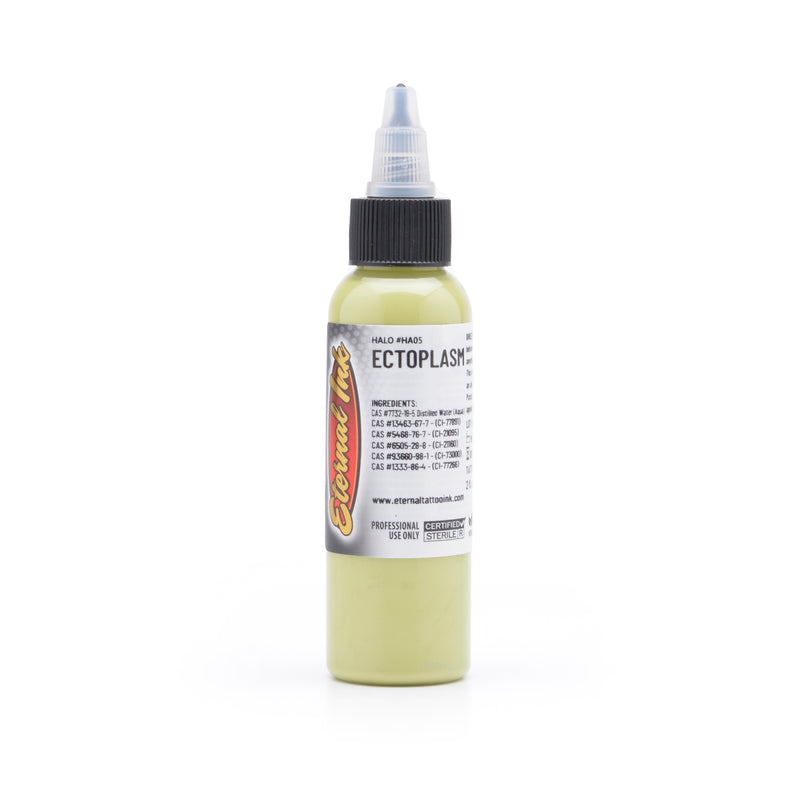
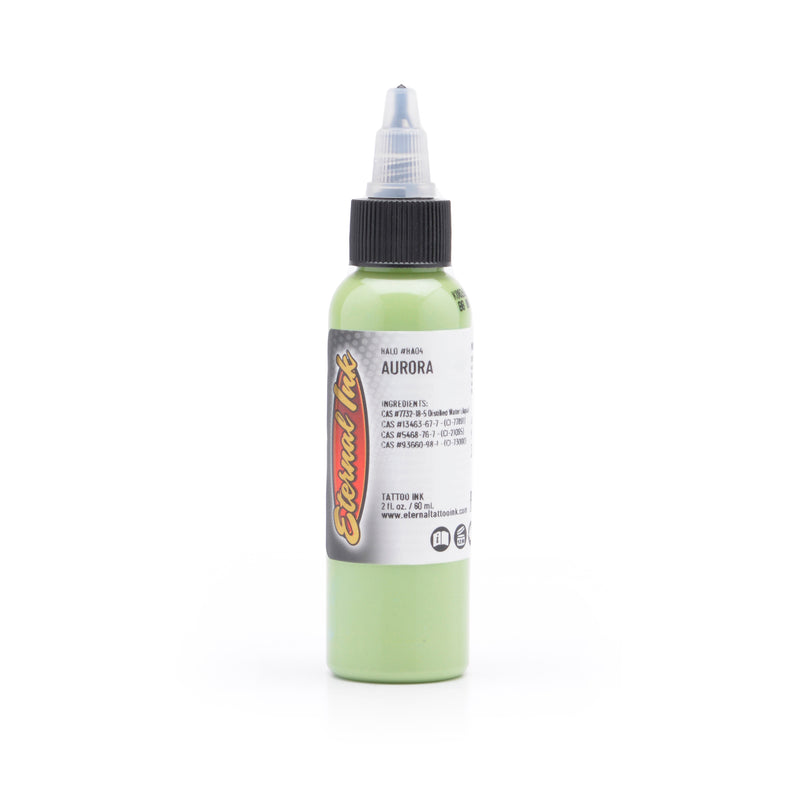
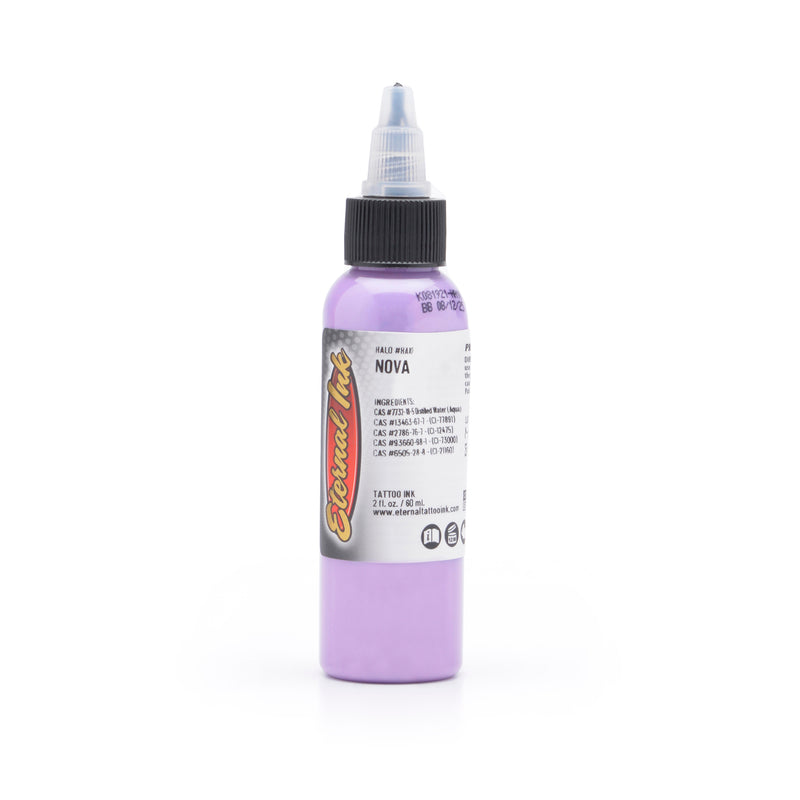
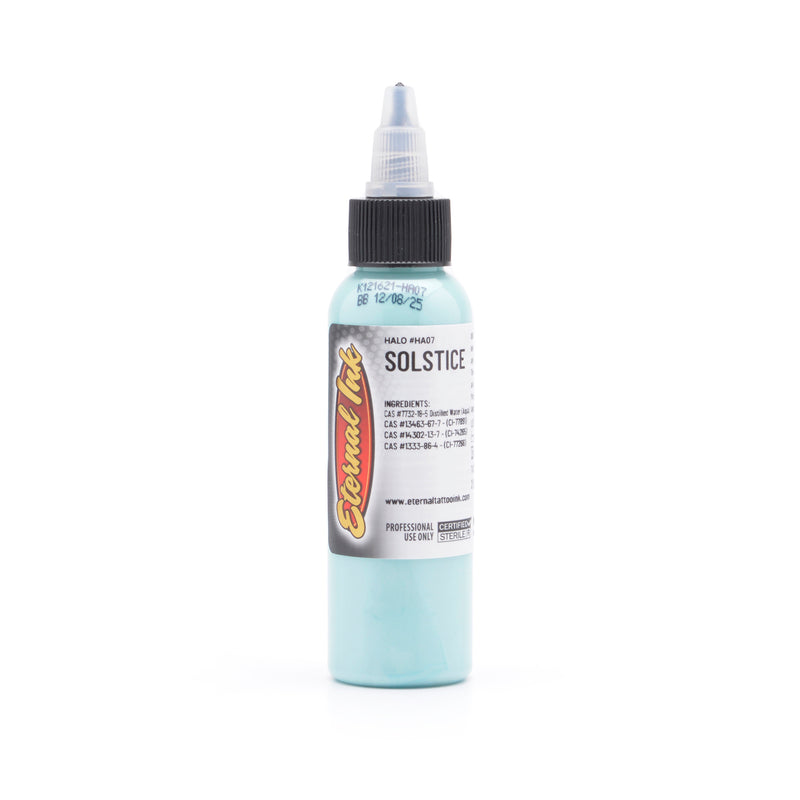
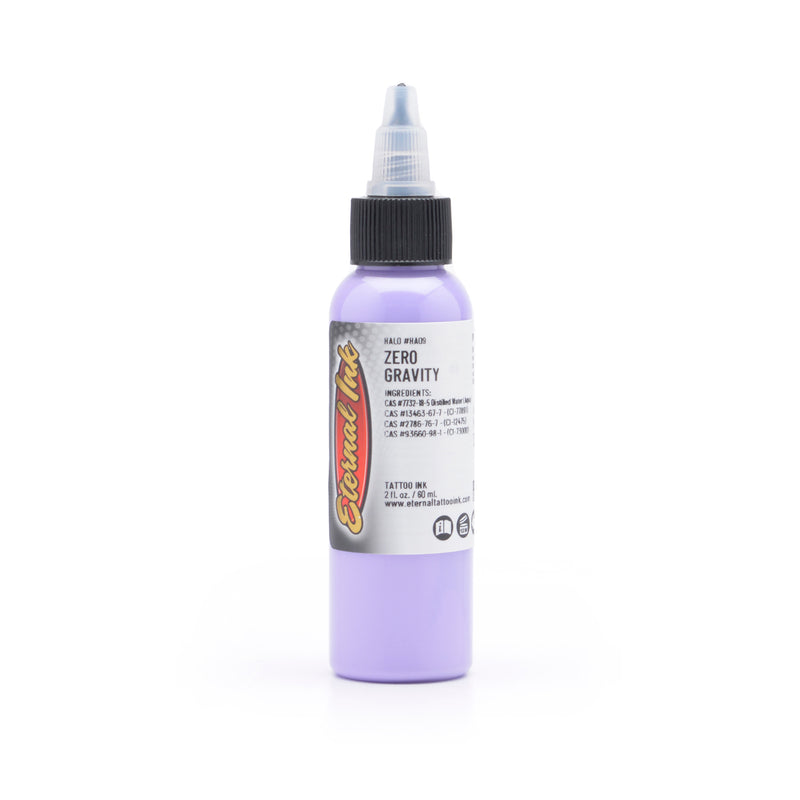
Eternal is the broadest catalogue here — 300-plus colours across roughly 27 lines — and it publishes pigment CI numbers on its product pages, which is the most detailed pigment disclosure of any line we carry.
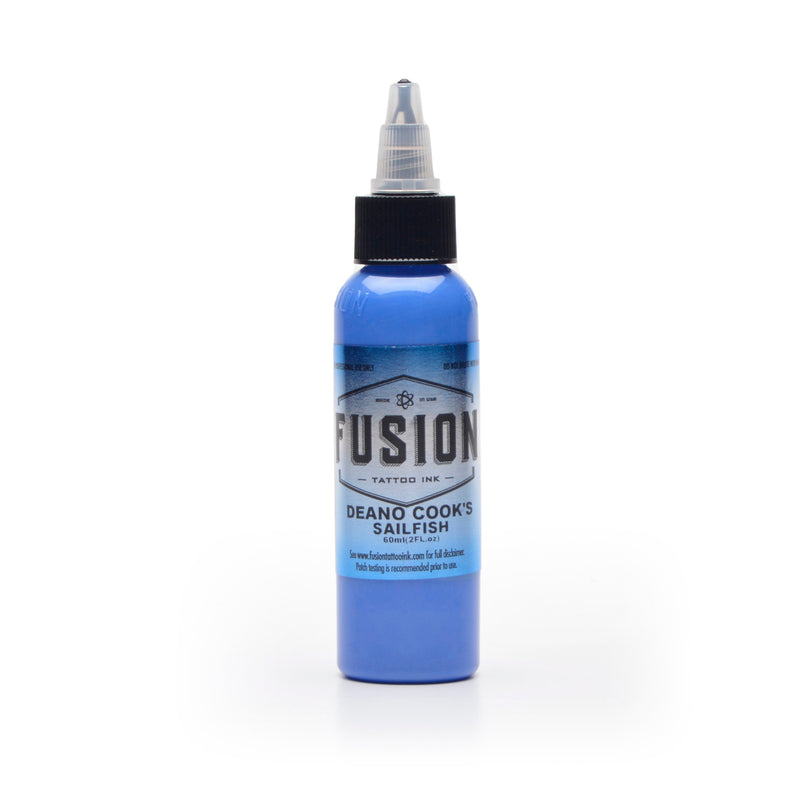
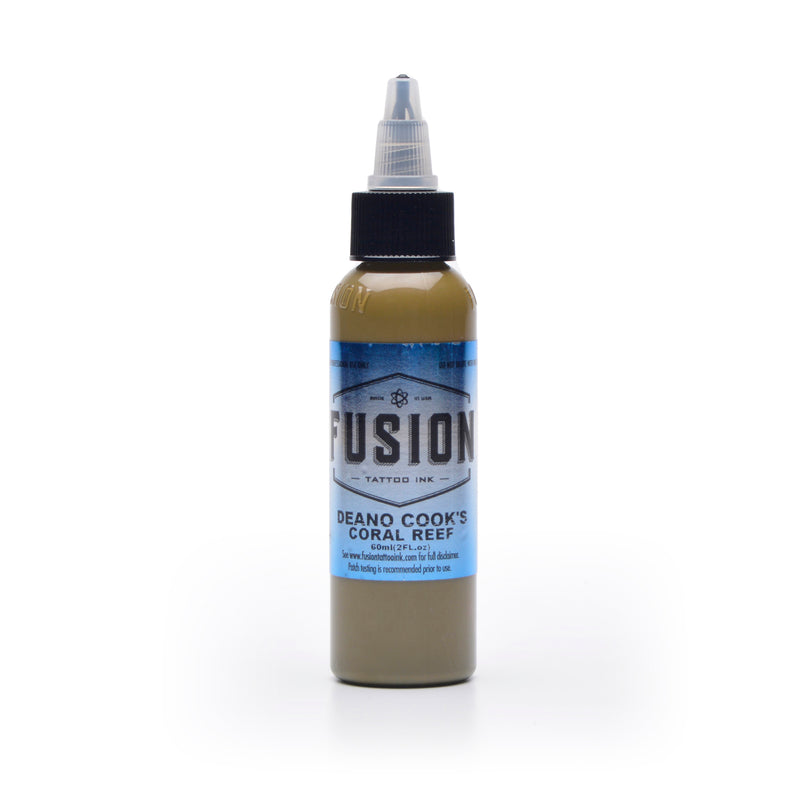
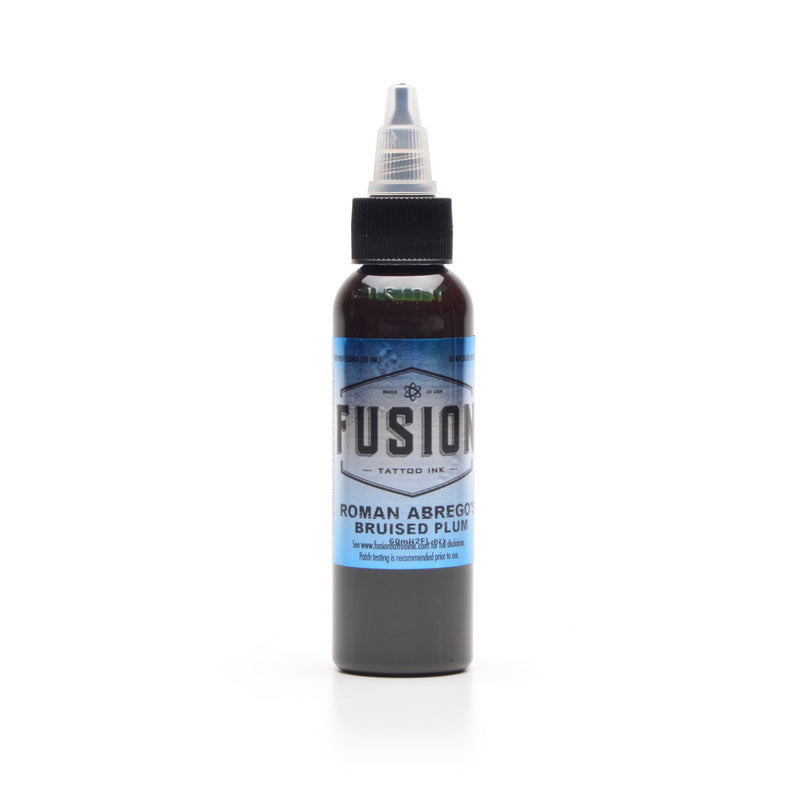
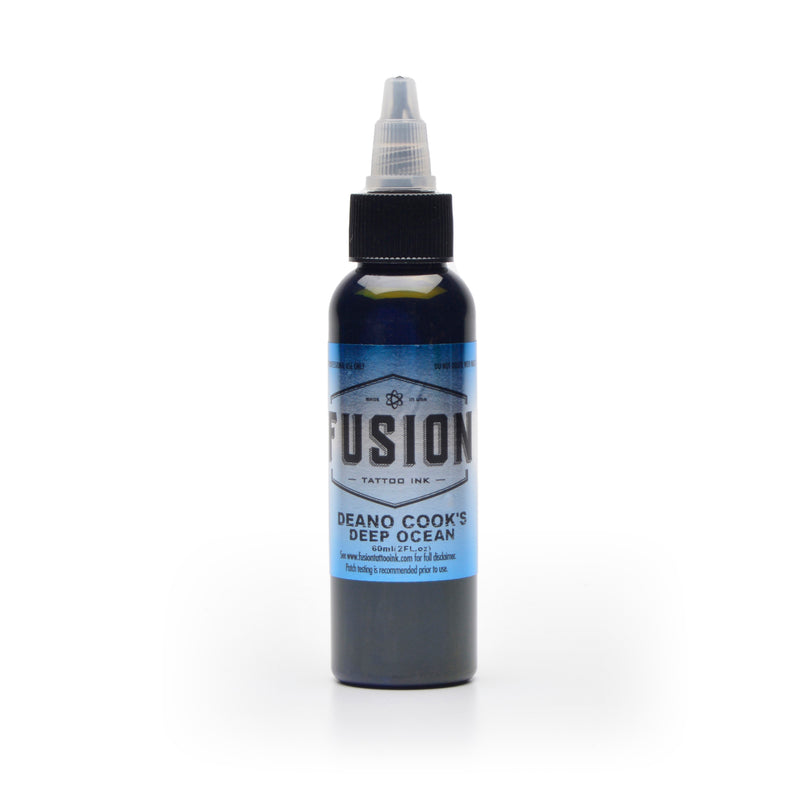
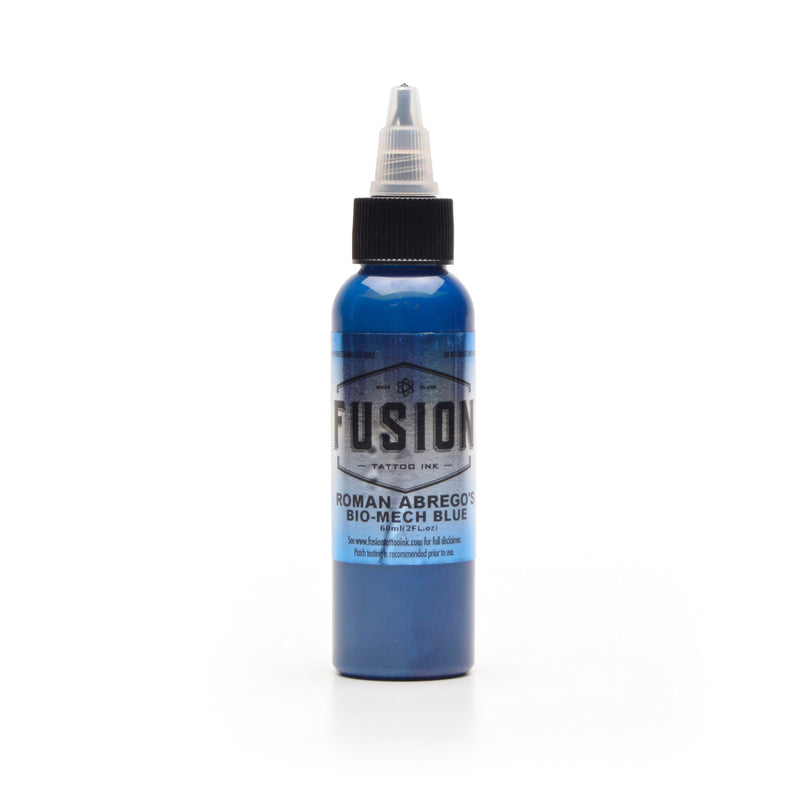
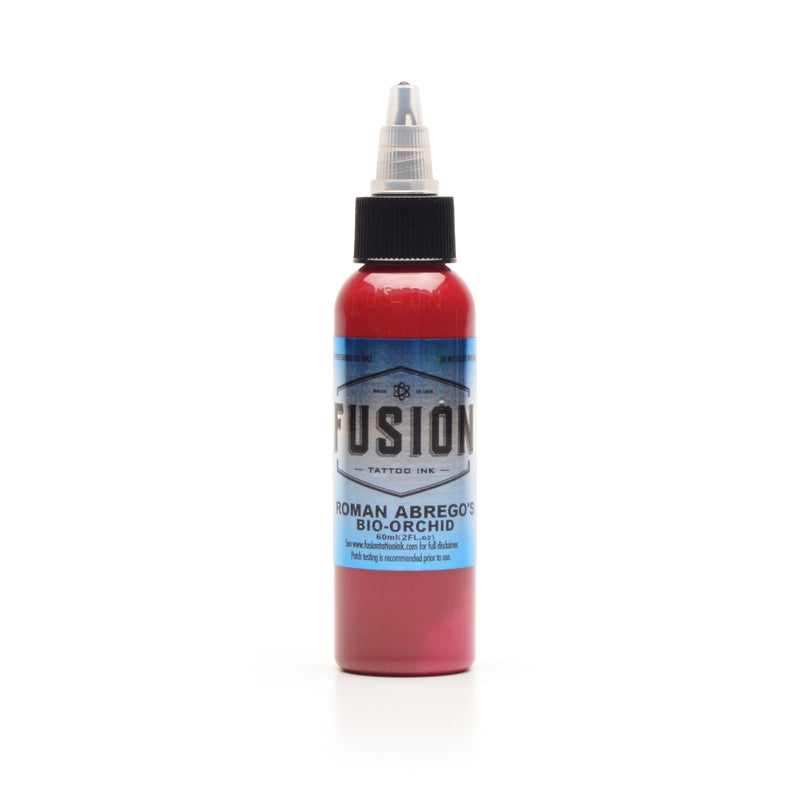
Fusion runs its Gradient System as graded cuts of each base family, so the Uncut step is that line's full-strength end. Its Power colours are a separate thing — the high-saturation tier of the main line.
Dermaglo has held its formulas for more than two decades, so a colour dialled in years ago is the same colour today — continuity is the brand's stated proposition, not a claim about how it heals.
Skin Depth and Perceived Saturation
You never see the colour on its own. It sits in the dermis under a translucent layer that carries its own colour, which is why the same bottle looks like two different colours on two clients.
That layer does not stay constant. As a colour thins over the years the tone underneath starts reading through it rather than being masked by it — the clearest case being a blue drifting green.
Which colours suit which client is judged on the skin in front of you, not from a catalogue. Building a range that covers those judgments is a question of building a palette rather than of any single colour.
Buying Saturated Colour Ink in Canada
Colour ships from Kingston, Ontario, as does the rest of the ink range. Ordering needs a verified Pro Account — Eikon sells ink to working artists only, which is trade access rather than price.
Each colour is sealed on its own, so a leak in transit costs one colour and not the order. Heat packs are free November through March.
Sizes vary across the colour realism range; each product page lists what a colour comes in. Every brand here is notified with Health Canada, the legal condition for selling ink in this country.