USA
USA
 Canada

Sterile Tattoo Ink - Sterile Tattoo Ink
Filters
Products:




What Is Sterile Tattoo Ink?
Sterile tattoo ink is pigment that's had viable microorganisms eliminated during manufacture, validated to a sterility assurance level of 10⁻⁶ fewer than one surviving microbe in a million units. That's the real definition, and it's a manufacturing outcome, not a marketing adjective.
"Sterile" isn't interchangeable with "clean" or "hygienic." It's a controlled regulatory term: a product labelled sterile has to meet a validated standard, and labelling it sterile without that validation is an actionable violation. So the useful question isn't "is it sterile?", it's "what process was validated, and what happens once the bottle is open?"
Does Tattoo Ink Stay Sterile Once It's Opened?
No, and this is the part marketing copy skips. Sterilisation applies to the sealed, packaged product. The moment a bottle is opened, it's exposed to air and contact, and it is no longer sterile. A "maintains sterility until opened" claim is true only of genuinely single-use sterile-packaged units; most professional ink ships in bulk bottles meant to be dispensed from repeatedly.
What protects a client after the seal is broken is aseptic technique, not the label: dispense into single-use ink caps, never double-dip a used needle back into the bottle, and discard leftover ink and caps at the end of the session. Sterile-at-manufacture plus disciplined handling is the real safety chain, the bottle is only the first link.
How Tattoo Ink Is Sterilised
Gamma irradiation is the industry standard for tattoo ink: cobalt-60 radiation penetrates sealed packaging and breaks microbial DNA, with no heat and no residual chemicals, which matters for a liquid that heat would damage. Electron-beam (e-beam) and ethylene-oxide gas are also used in places, but autoclaving, steam under pressure, is not used for liquid ink, because the heat would compromise the formula.
A validated gamma process can reach SAL 10⁻⁶ under ISO 11137, the published standard for gamma sterilisation. The point worth keeping straight: a brand can run a rigorous gamma process and still be careful about the word "sterile" on the label, because the label claim carries its own validation burden.
"Sterile" on a Label: Why Eikon Doesn't Overclaim It
The FDA has issued warning letters to ink manufacturers for misbranded "sterile" labelling, treating it as a genuine regulatory violation rather than a packaging quibble. That's why Eikon's content never calls a brand's ink "sterile" unless that brand publishes a validated sterilisation process.
It also pays to read claims precisely: a phrase like "made in a 100% sterile environment" describes the manufacturing room, not a per-bottle sterilisation claim about the product. The two get blurred constantly in ink marketing; we keep them separate.
Which Eikon Brands Publish Their Sterilisation Process
Two brands Eikon carries put their process on the record:
-
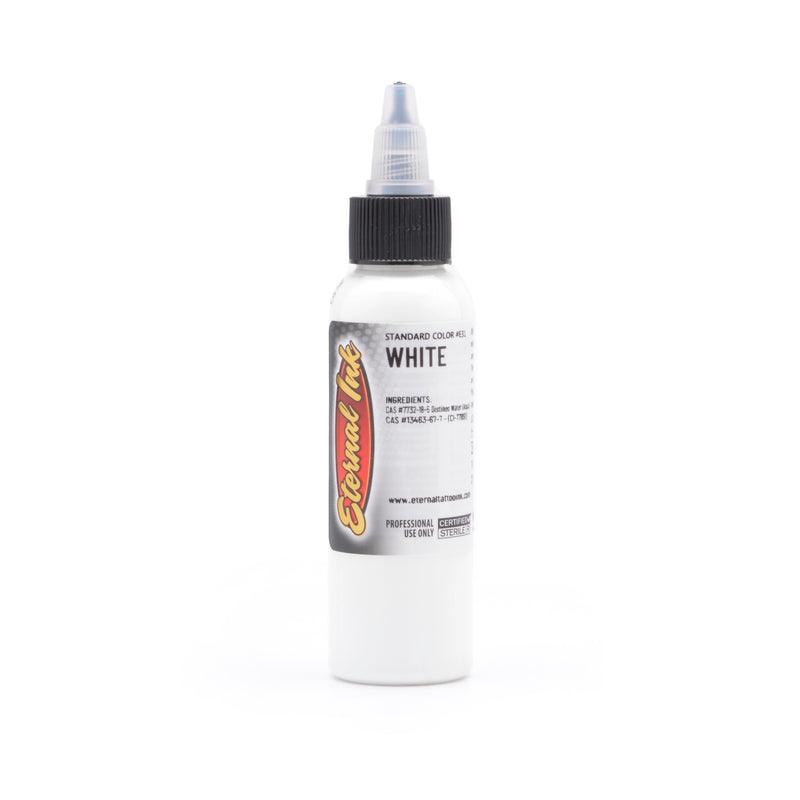
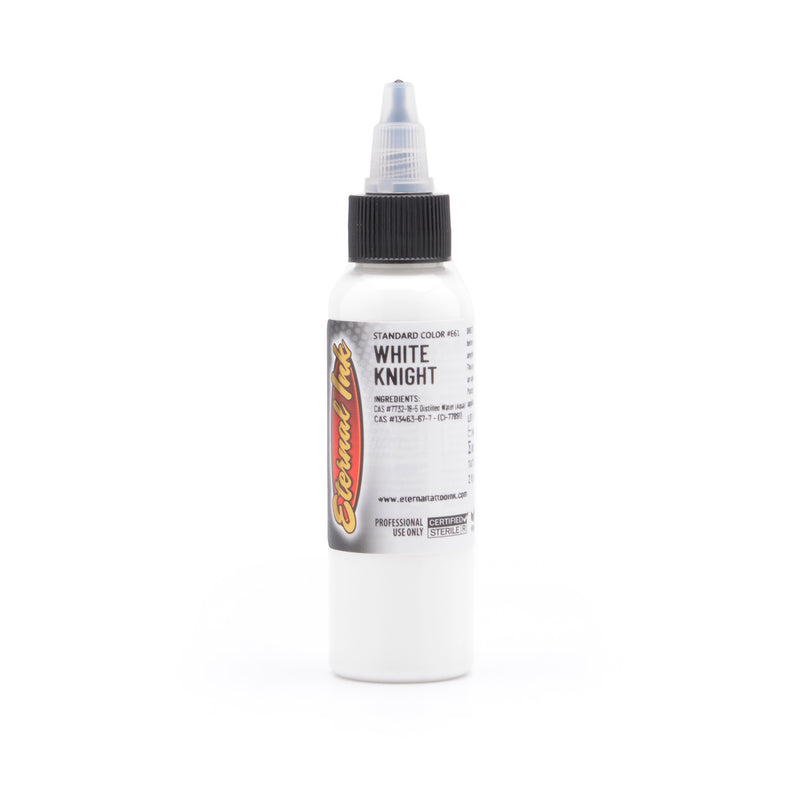
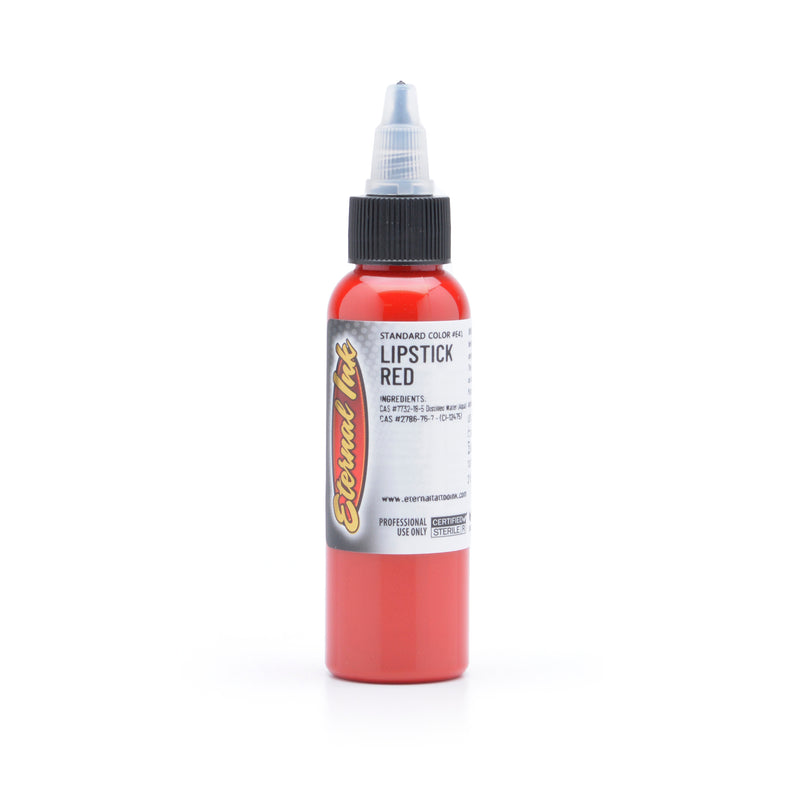
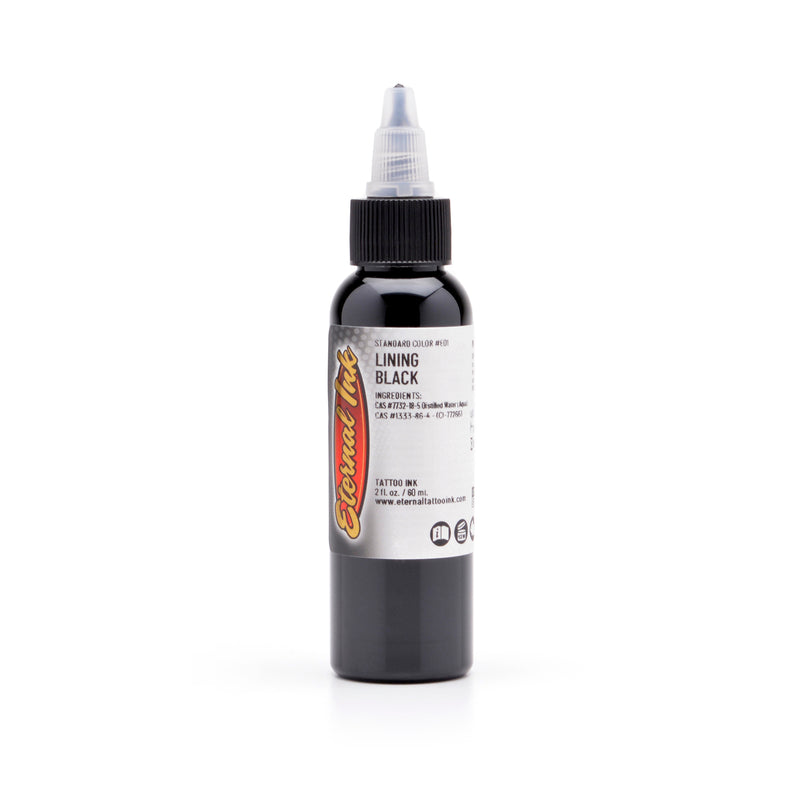
Eternal sterilises by gamma irradiation, validated by MicroBio Consulting at an FDA-certified microbiology lab, to SAL 10⁻⁶, with quarterly dose-verification testing, concrete process disclosure, not a slogan.
-
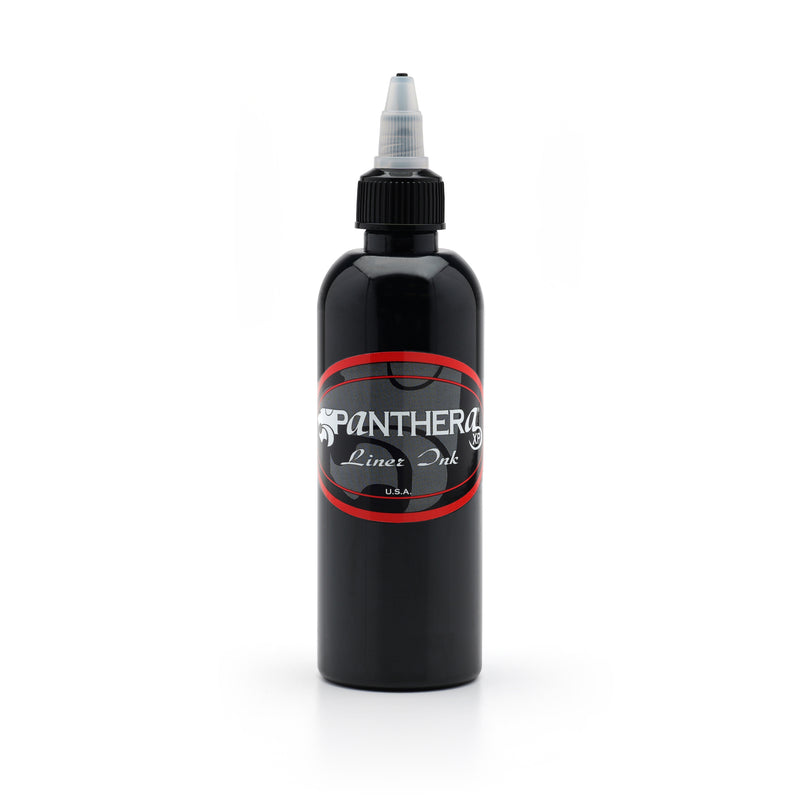
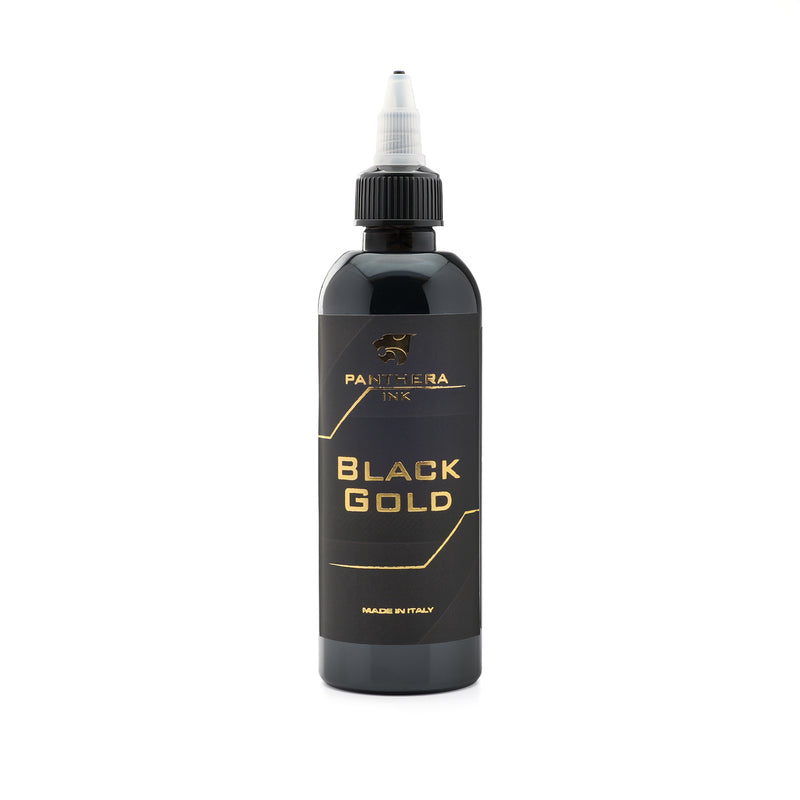
Panthera gamma-sterilises and states that every batch is microbiologically analysed.
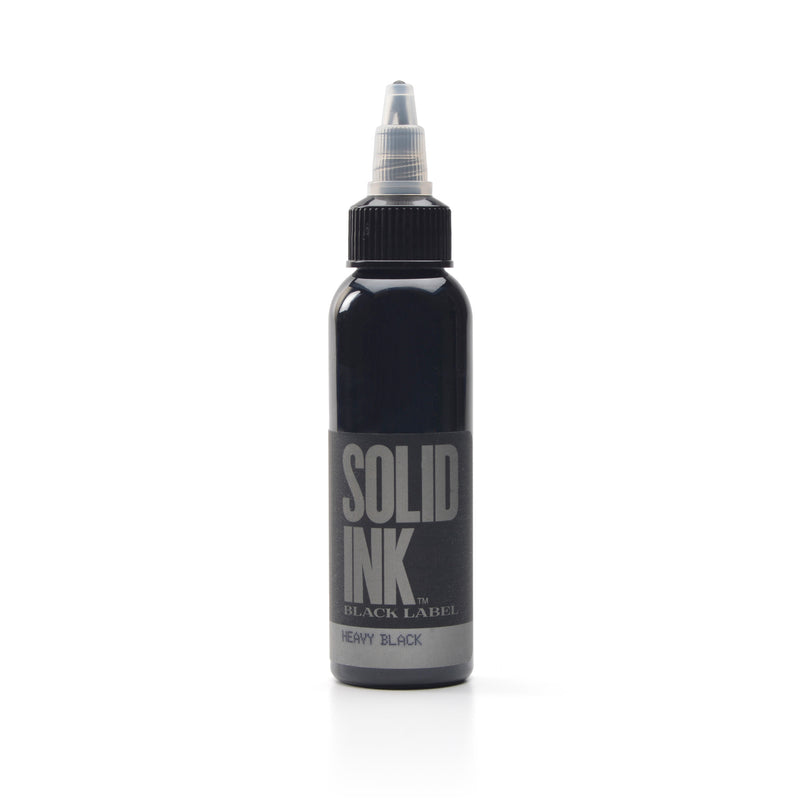
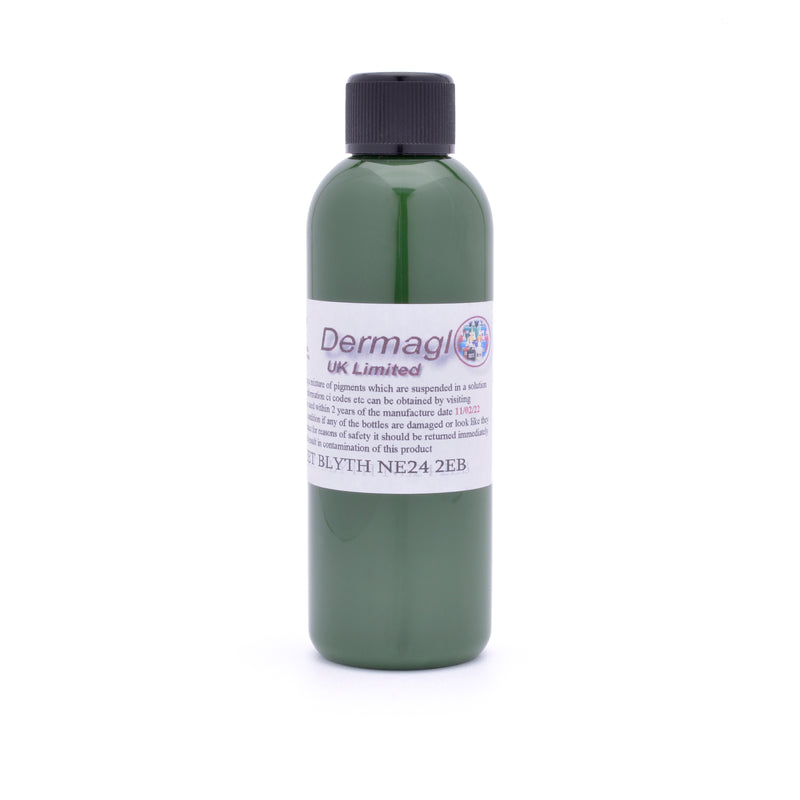
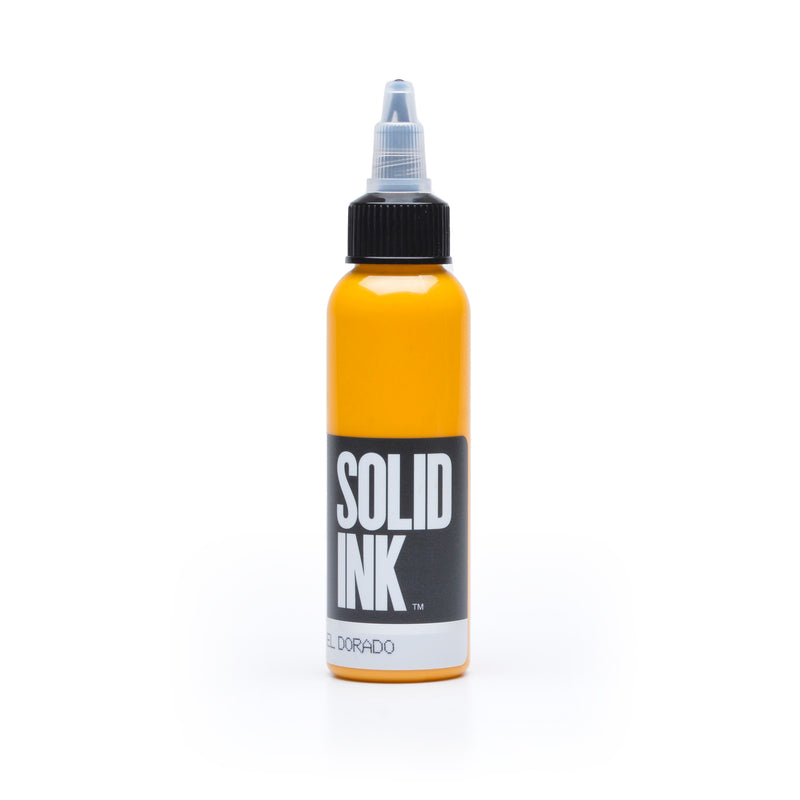
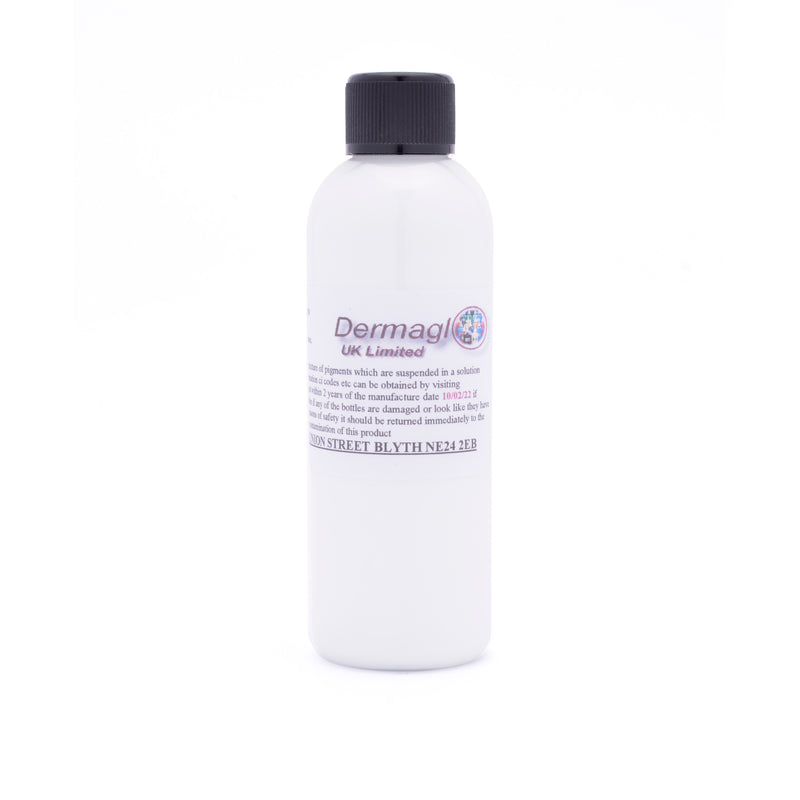
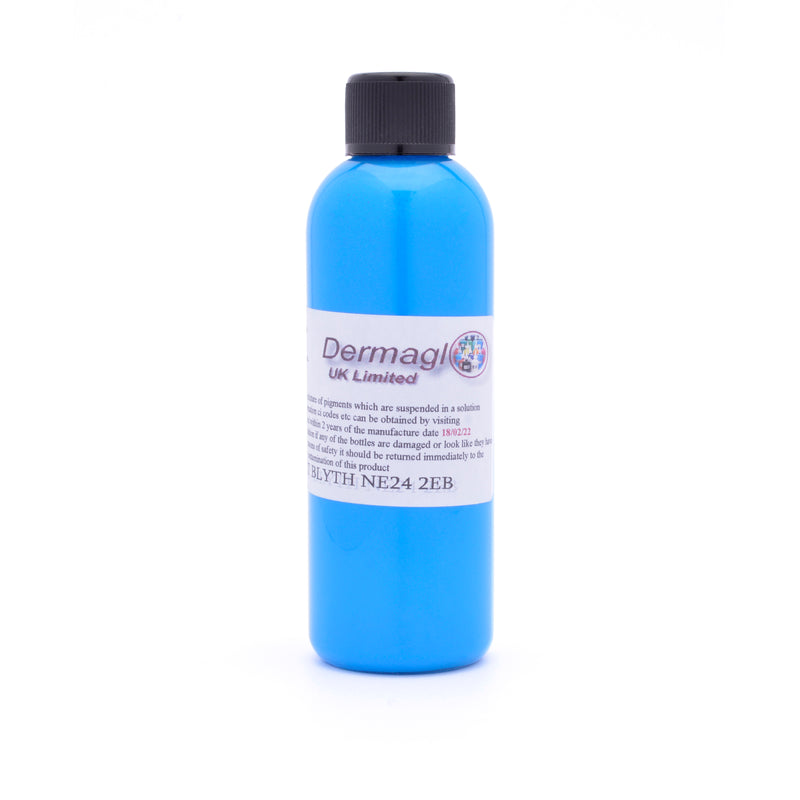
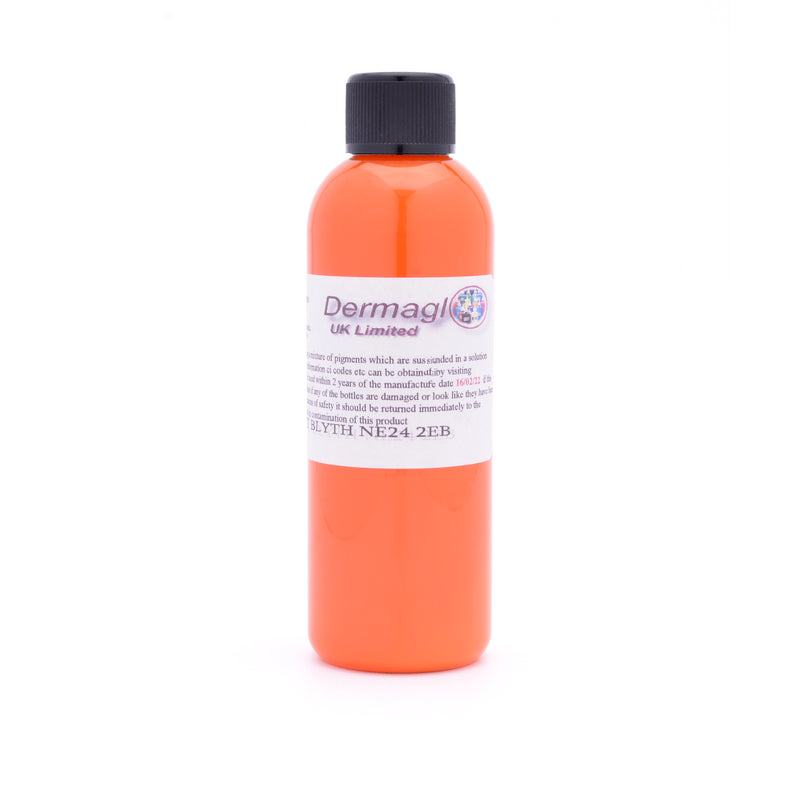
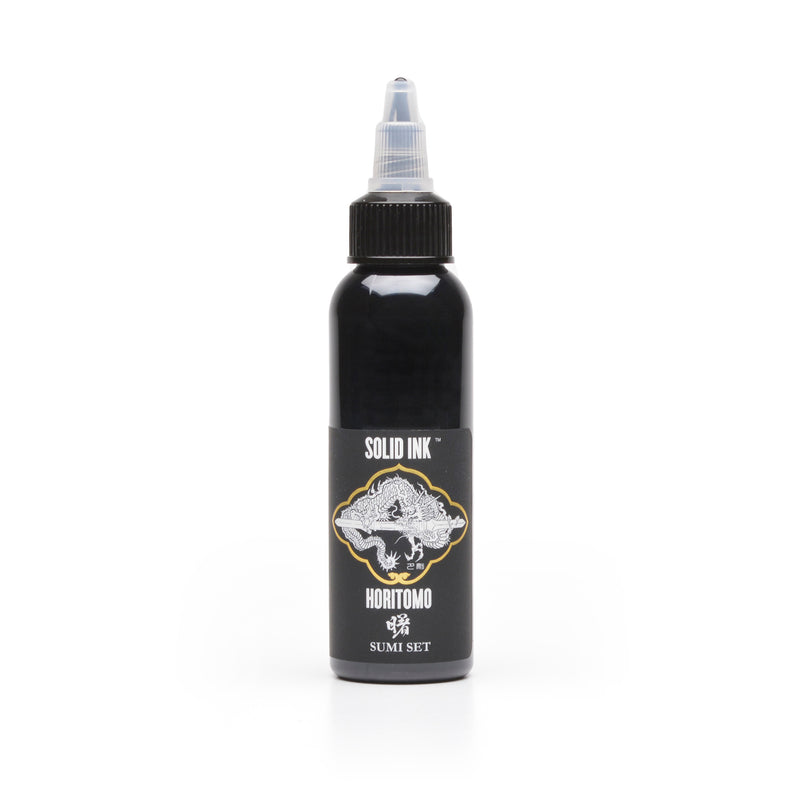
The rest of the roster, Solid, Fusion, Empire, Kwadron, Dermaglo, generally doesn't publish a sterilisation method. That's not a quality knock: gamma is the industry default, so the silence is about marketing transparency, not process rigour. It just means honest content can't claim a method those brands haven't stated.
What Actually Protects a Client
Sterility at the bottle is one input; the safety chain is bigger. In Canada it runs: a Health Canada–notified product (CNF) → meeting the microbial limits of ISO 17516 (no detectable E. coli, Pseudomonas, Staph, or Candida; total aerobic count within limit) → gamma sterilisation at manufacture → aseptic technique during the session. Miss the last link and the first three don't save the session.
And the honest caveat: SAL 10⁻⁶ means fewer than one in a million, which is extraordinarily safe but not a guarantee of zero. No reputable brand promises contamination-free ink; what they offer is a validated, documented process. That's the claim worth trusting.
What About Sterile Water for Diluting Ink?
Sterilising the ink is only half the fluid question in a session, the other half is what you cut it with. Greywash, lightened tones, and washes are often mixed down with water, and the water matters as much as the pigment. Provincial guidance is explicit here: British Columbia's body-modification guidelines direct artists to dilute with sterile water only, not tap water, and not distilled water of unknown origin, because a non-sterile diluent reintroduces exactly the contamination the sterilised pigment was meant to avoid.
The practical setup most studios use is single-use sterile water ampoules, opened per client and discarded, the same single-use logic that governs ink caps. General-purpose distilled water is not a substitute for pharmaceutical-grade sterile water, and a shared or topped-up dilution bottle is the kind of shortcut provincial inspectors flag. If a supplier implies you can thin professional ink with whatever water is on hand, treat that as a red flag, not a convenience.
The throughline is the same as for the ink itself: sterile-at-source plus disciplined single-use handling. A sterilised pigment cut with non-sterile water is no longer a sterile fluid going into skin.
"Sterile," "Vegan," and "Hypoallergenic" Are Not the Same Claim
These three words get stacked on ink listings as if they're one quality tier, but they answer different questions. Sterile is about microbial elimination at manufacture, a validated process, covered above. Vegan is about whether the formula uses any animal-derived ingredients (bone char in some traditional blacks, shellac, certain glycerin sources); it says nothing about microbial safety. Hypoallergenic has no agreed standard for tattoo ink at all, any pigment, vegan or not, sterilised or not, can provoke a reaction in a sensitive client, which is why a patch test is the standard precaution regardless of the label.
When you're evaluating "sterile" ink, keep the claims separate: a vegan, hypoallergenic-marketed ink is not therefore sterile, and a gamma-sterilised ink is not therefore vegan. Each claim carries its own evidence, and stacking them doesn't make any one of them stronger.
How to Verify Your Ink Is Safe in Canada
Don't rely on the word "sterile" on a label, check the things that are actually documented. Confirm the ink is notified to Health Canada (CNF), look for lot numbers and a manufacture/expiry date, and if a brand publishes a sterilisation validation (Eternal does), you can ask for the certificate by lot.
Eikon confirms notification status before stocking, so everything on the shelf is from a Health Canada–notified brand, artists aren't navigating customs or tracking down notification paperwork themselves. That engagement runs deeper on the device side: Eikon holds a Health Canada Medical Device Establishment Licence (MDEL 4071), which covers the professional needles and cartridges it distributes. Needles and ink are governed under separate frameworks, devices versus cosmetics, but both sit within Health Canada's oversight structure.