USA
USA
 Canada

Tattoo Ink Without Heavy Metals - Tattoo Ink Without Heavy Metals
Filters
Products:

What Does "Heavy-Metal-Free" Tattoo Ink Actually Mean?
The phrase is everywhere in tattoo ink marketing, and it almost always describes a premise that isn't accurate. The pigments that give tattoo ink its colour are predominantly metal-oxide compounds: iron oxide is the black and brown, titanium dioxide is the white, copper phthalocyanine is the blue and green. These aren't contaminants; they are the chromophore, the molecule that does the colouring. A genuinely "heavy-metal-free" ink would have no mineral pigments at all, which describes very few real inks.
What the marketing typically means, when it means anything specific, is that the ink has been formulated within the toxic-impurity limits, the trace amounts of harmful metals like lead, arsenic, cadmium, and mercury that can appear as contaminants in pigment production. That's a meaningful claim, but it's not the same as "no metals." Iron and titanium aren't the problem; lead and arsenic at elevated concentrations are.
The search that lands here is asking a legitimate question. The answer that actually helps an artist is not "this ink is metal-free", it's "here are the specific limits Health Canada enforces on toxic contaminant metals, and why those limits are the real signal."
What Health Canada Actually Regulates and Why It Matters More
In Canada, tattoo inks are regulated as cosmetics under the Food and Drugs Act and Cosmetic Regulations. The manufacturers of inks sold here are required to notify Health Canada via a Cosmetic Notification Form within 10 days of first sale, and they are responsible for keeping their formulations within Health Canada's impurity benchmarks. Health Canada sets and enforces those limits post-market.
The benchmarks are specific and stringent: lead at or under 10 ppm, arsenic and cadmium 3 ppm each, mercury 1 ppm, antimony 5 ppm. These cap the toxic contaminants that can appear as impurities in pigment manufacturing, not the functional pigments themselves. They live in Health Canada's Guidance on Heavy Metal Impurities in Cosmetics — non-binding guidance the regulator enforces post-market, updated as new toxicological evidence comes in.
That framework, mandatory notification, documented impurity standards, post-market enforcement, is what "safe ink" should actually map to. "Heavy-metal-free" as a label is marketing. "Meets Health Canada's impurity limits, from a notified brand" is a verifiable claim.
Eikon carries only brands that have notified Health Canada, which is why a popular line like Dynamic isn't on the shelf. That's an administrative notification gap, not a formulation problem, but it means Eikon's catalogue is a pre-filtered set of Health-Canada-notified brands. Artists working through Eikon don't have to verify notification status themselves.
The Pigment Chemistry Behind the Claim
Understanding why "heavy-metal-free" is almost always a reframe rather than a literal description requires knowing what tattoo pigments actually are.
Tattoo ink pigments divide into two broad chemistry families: inorganic mineral pigments and synthetic organic pigments. The inorganic group includes iron oxides, Mars Black (CI 77499) for black and brown, Titanium Dioxide (CI 77891) for white, and copper phthalocyanines (CI 74160) for blue and green. These metal-oxide and metal-complex pigments are the most stable in the dermis and the most widely used. They are, by definition, metal compounds.
The synthetic organic group covers the azo pigments, the diarylide yellows, the naphthol reds, and the benzimidazolone family. These are carbon-based chromophores. Organic in this context is a chemistry term, not a natural or clean claim: it means the chromophore is built on a carbon ring, not that it was grown without pesticides. Some of these pigments carry their own tradeoffs, Pigment Red 170 (CI 12475), the naphthol red used across many brands' red spectrum, is the most-documented sensitiser in the tattoo ink palette.
The "heavy metals" a client is worried about, lead in the form of lead chromate, cadmium yellows, mercury-based vermilion, are precisely the pigments that modern professional ink has largely eliminated, not because of "heavy-metal-free" marketing but because those chromophores were banned or voluntarily reformulated out over the last two decades of regulatory pressure. What remains is the metal-oxide pigment that does the work. The relevant protections are Health Canada's impurity limits, which set the ceiling on toxic trace contamination in the pigment itself.
What "Low-Toxicity" Actually Looks Like in a Professional Ink
When artists and clients look for a low-toxicity ink, the meaningful signals are specific and checkable, not a label. Four things to look for:
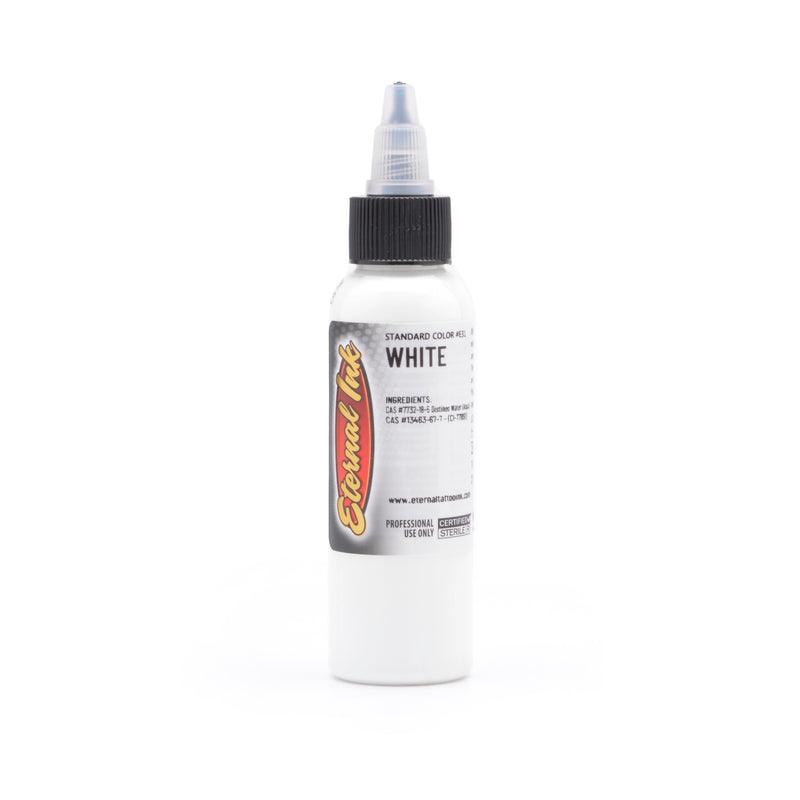
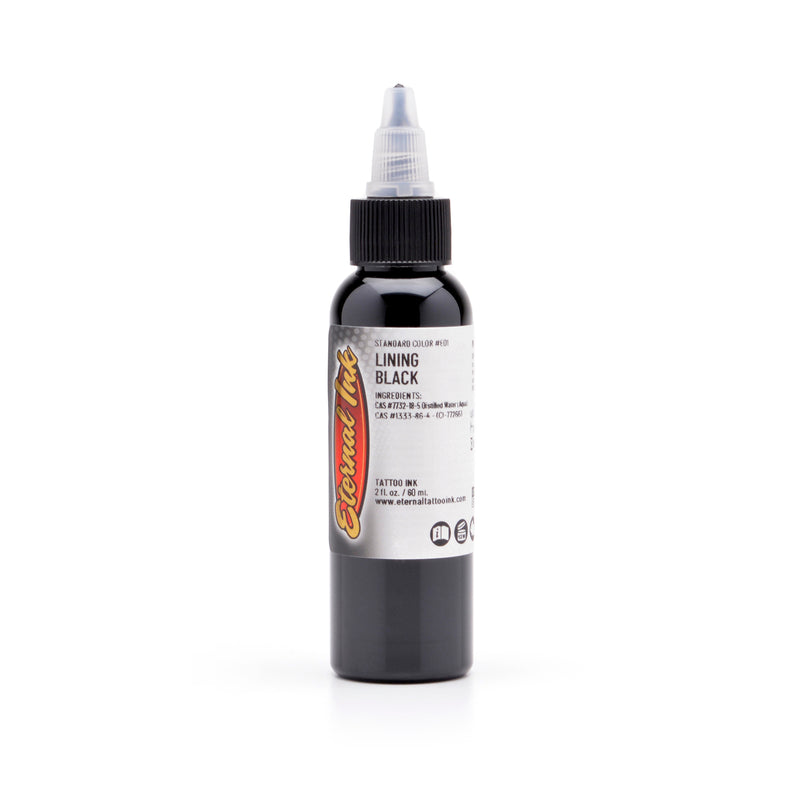
Ingredient disclosure. A brand that publishes Color Index numbers per shade lets you identify the exact chromophore before a sensitive client. That's the most useful disclosure a brand can offer because it lets you look up the pigment, not just trust the brand. Eternal Ink publishes CI numbers per product, which is the most thorough disclosure of any brand Eikon carries.
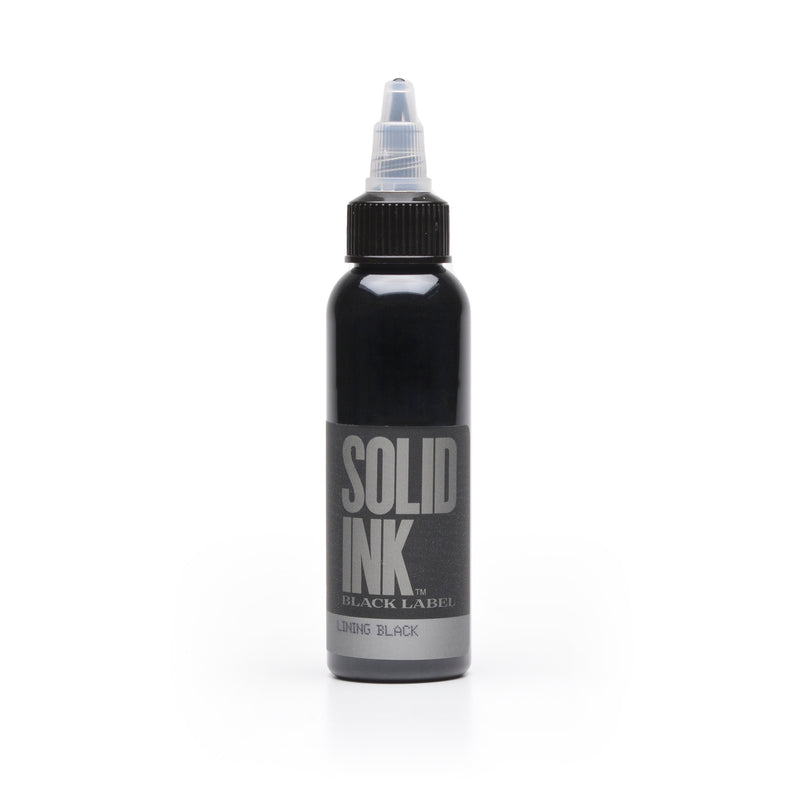
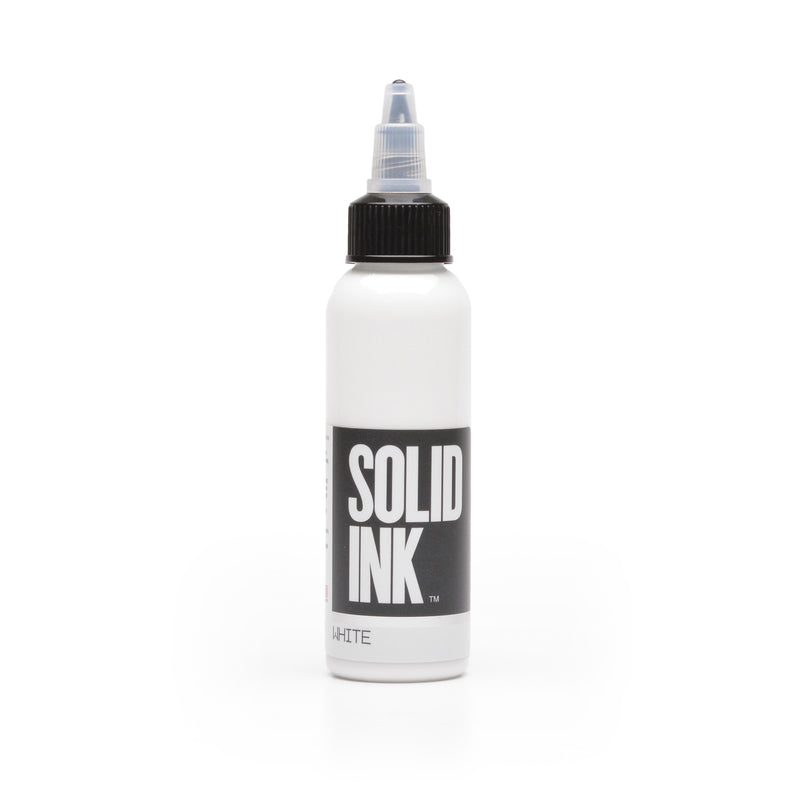
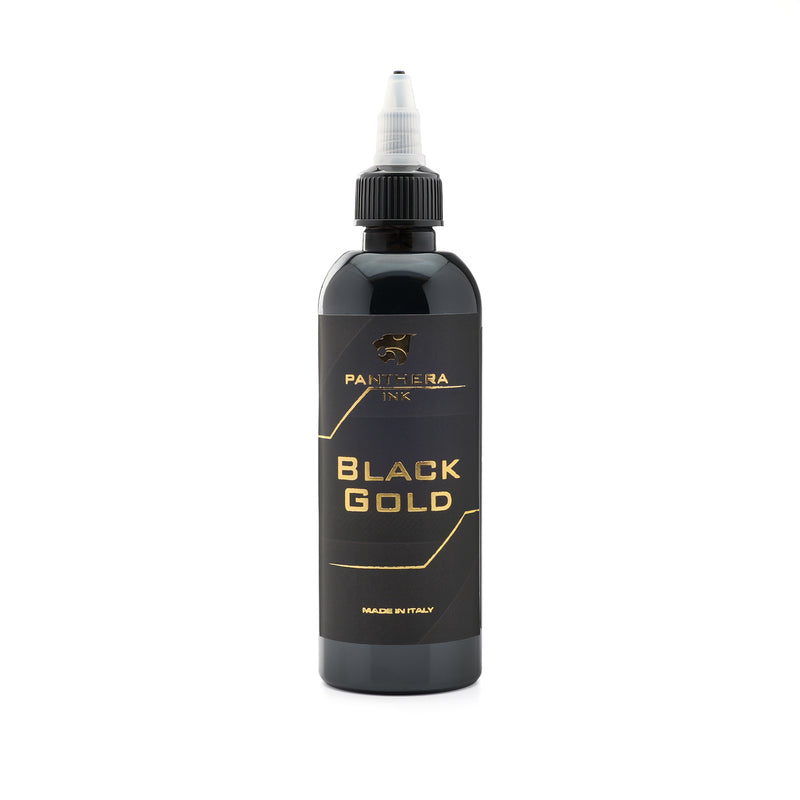
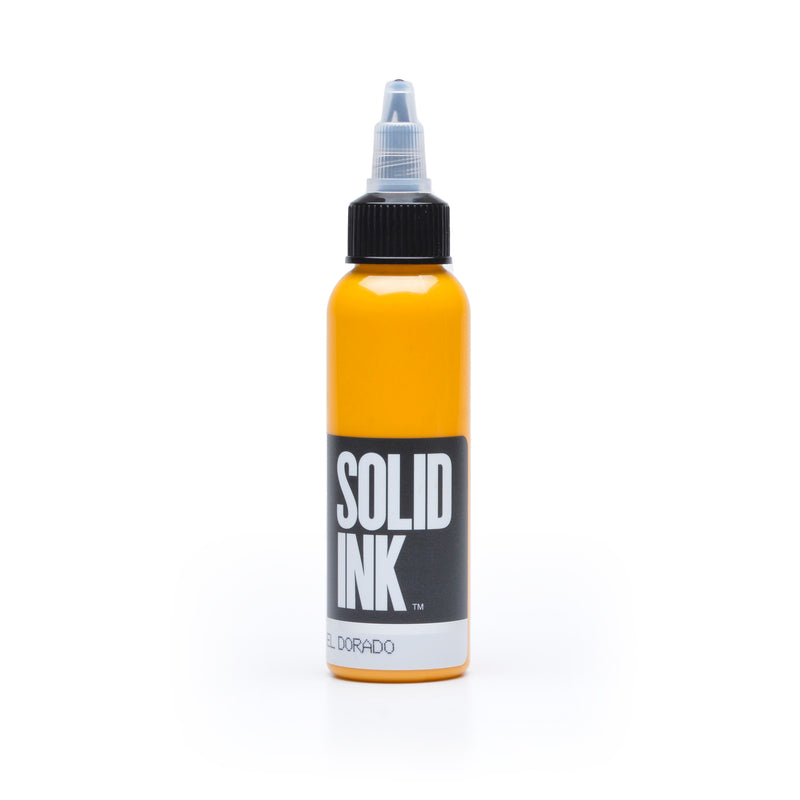
Carrier transparency. The carrier, distilled water, glycerin, witch hazel, preservative system, is what makes the ink flow and sets most of the sensitisation risk outside the pigment itself. Solid Ink publishes its full base (vegetable glycerin, distilled water, hamamelis), so an artist can check every component. Panthera's Black Gold line replaces conventional preservatives with a citrus-extract and acid system, worth knowing for clients with preservative sensitivities.
Regulatory documentation. REACH compliance (the EU's chemical regulation) is the strictest external standard any ink brand currently meets, covering restricted metal compounds, banned preservatives, and a long list of controlled substances. Panthera's line is REACH-compliant. Canadian Health Canada notification tells you the brand is in the regulatory system and accountable for its formulation.
What it does not mean. "Low-toxicity" is not a standard, no body defines it for tattoo ink, and "OSHA non-toxic" is a common misattribution (OSHA does not test or certify products). None of those phrases are checkable. CI numbers and carrier ingredients are.
Is "Heavy-Metal-Free" Ink Safer for Sensitive Clients?
Not in the way the phrase implies, and the answer matters for how an artist selects ink for a reactive client. The sensitisers most likely to cause a reaction in tattoo ink are not the functional metal-oxide pigments; they're the organic (carbon-based) pigments, particularly the naphthol reds and some azo yellows, and the preservative systems in older carrier formulas. An ink marketed as "without metals" but built on azo reds is not inherently gentler on sensitive skin than a mineral-pigment formulation.
The one piece of the "heavy metals" concern that does apply to sensitisation is nickel, trace nickel contamination in metal-oxide pigments is a documented allergen for people with nickel sensitivity. Health Canada's impurity limits don't call out nickel specifically (nickel occupies a different regulatory posture), but brands reformulating under EU REACH rules have had to address it. REACH-compliant inks like Panthera have passed that screen.
For a client with documented sensitivities, the practical checklist is: identify the reactive substance (pigment family or preservative? PR170 or formaldehyde-releasing preservative?), pull the brand's SDS for that specific colour, and match the carrier. That's a more useful exercise than a label that doesn't name what's actually in the bottle.
Which Eikon Brands Have the Strongest Formulation Transparency?
If formulation transparency, the real proxy for "clean", is the priority, the question is what each brand actually discloses. Across the brands Eikon carries:
-
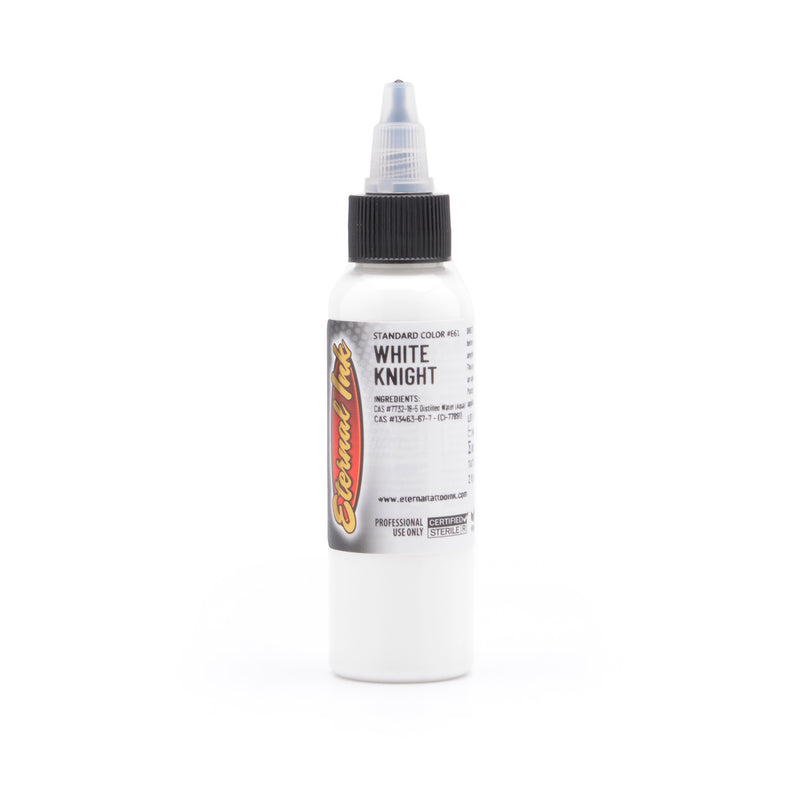
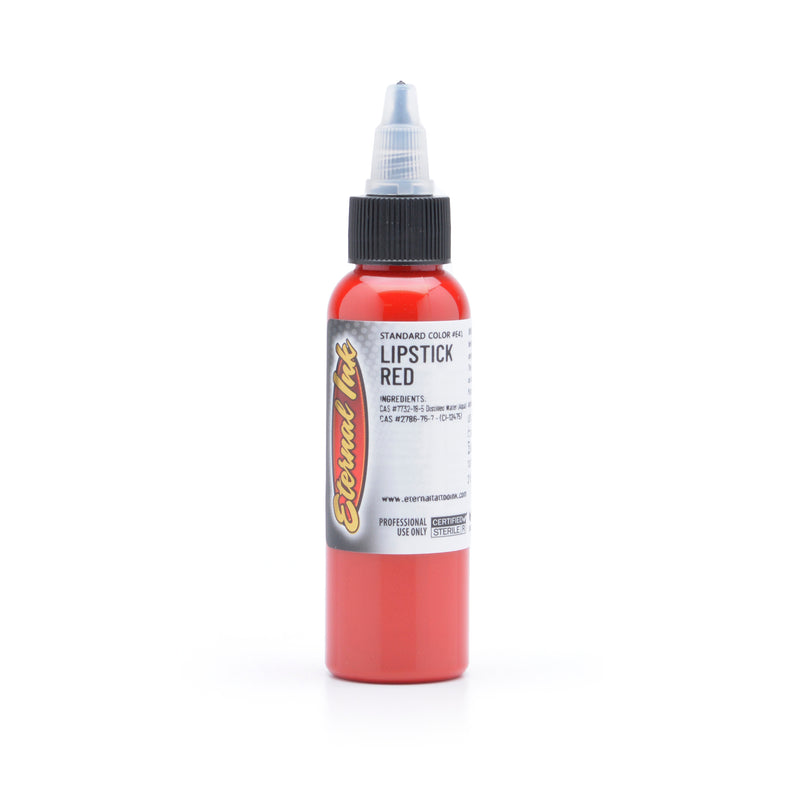
Eternal publishes Color Index numbers per shade across its catalogue, making it the most disclosing brand on Eikon's shelf. An artist can identify the exact chromophore for any colour before booking a sensitive client.
-
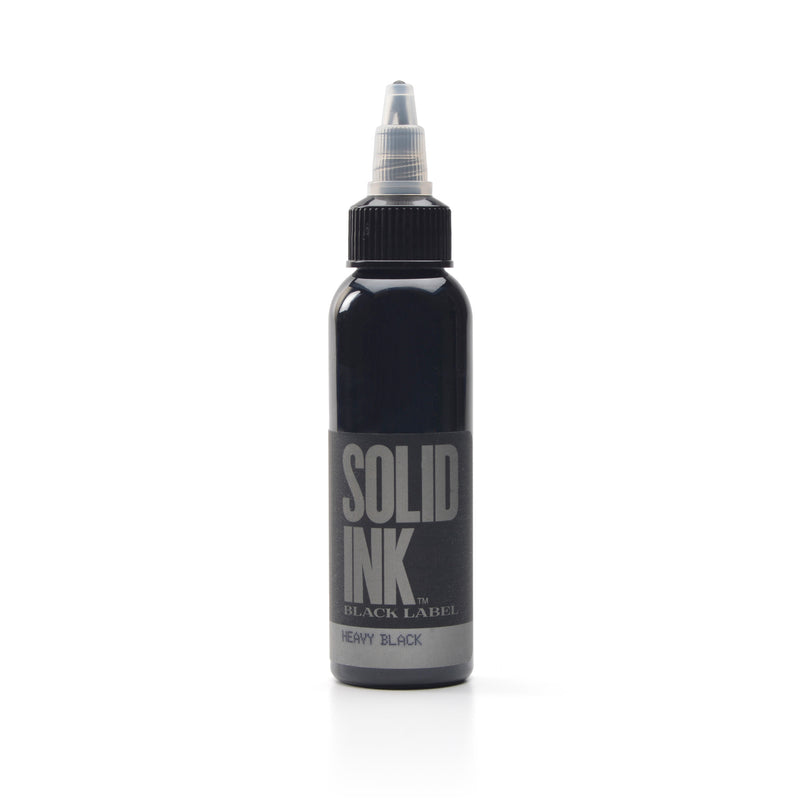
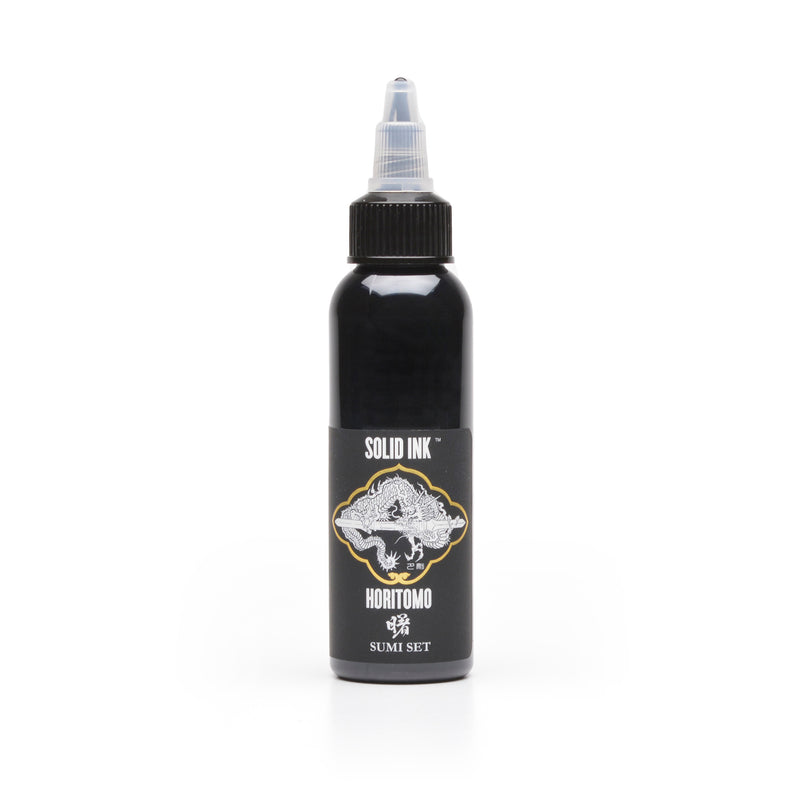
Solid publishes its full carrier base and is 100% vegan and gluten-free. Its "OSHA non-toxic" claim is Solid's own marketing language, not an independent certification, worth understanding when citing it to a client.
-
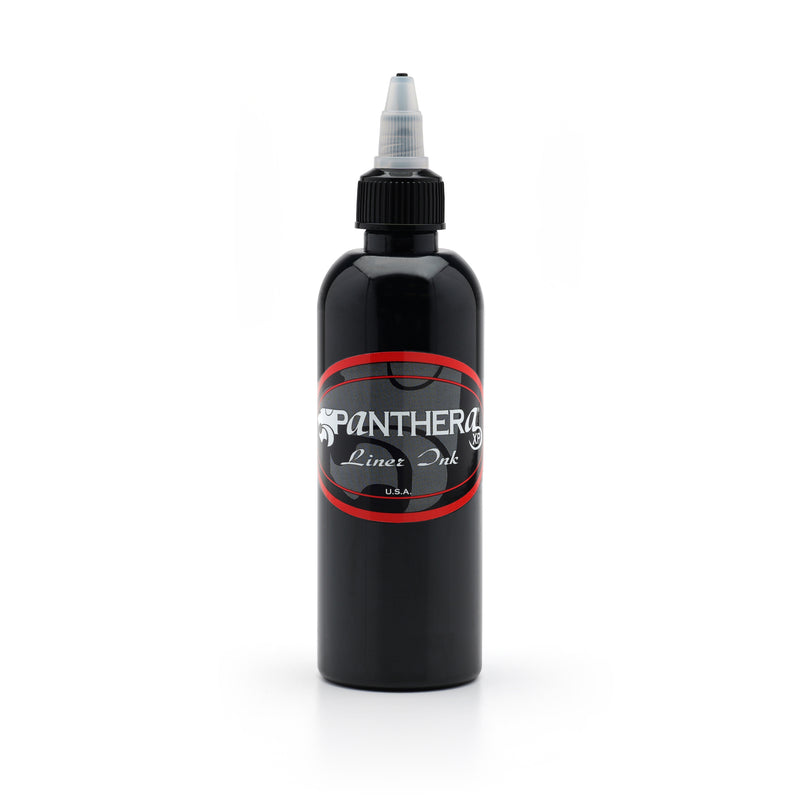
Panthera is REACH-compliant across its line, formulated to the EU's restricted-substance standard; its Black Gold replaces conventional preservatives with a citrus-extract and acid system.
-
Empire is 100% vegan with well-substantiated formulation claims across its full line.
-
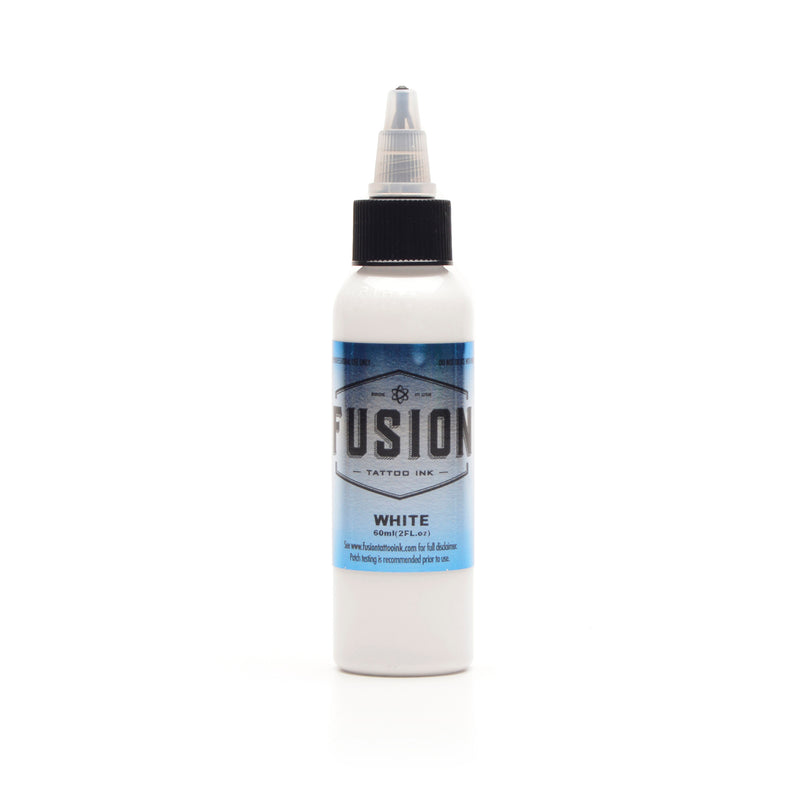
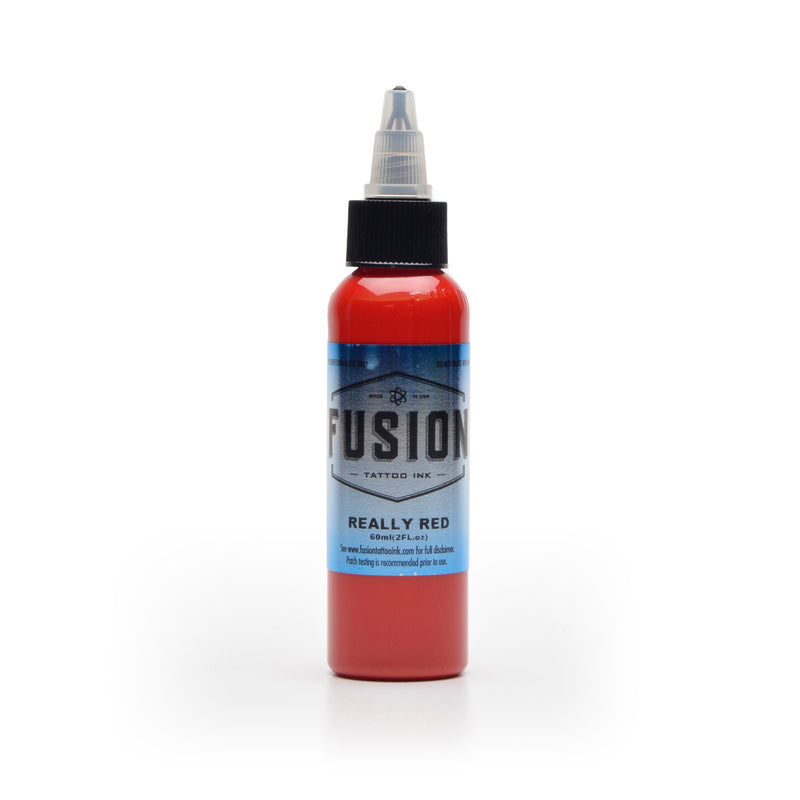
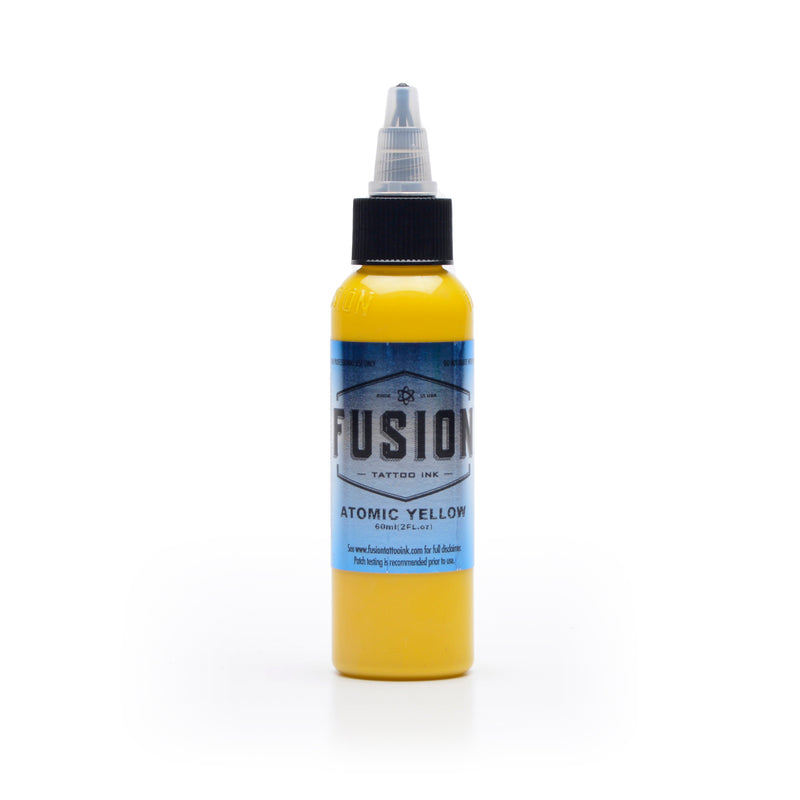
Fusion is vegan-formulated, with mid-level disclosure; does not publish CI numbers.
-
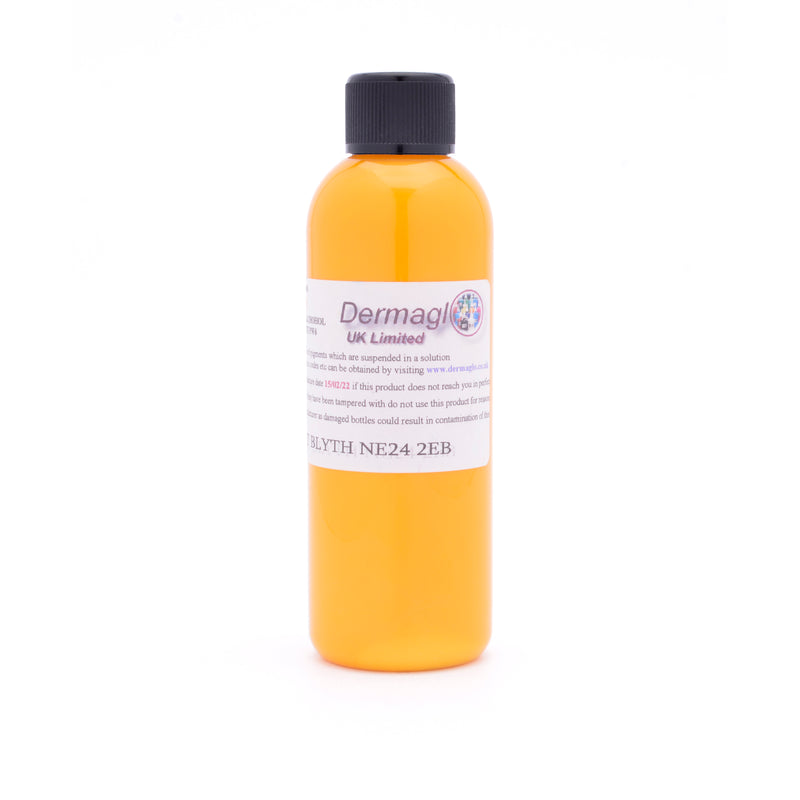
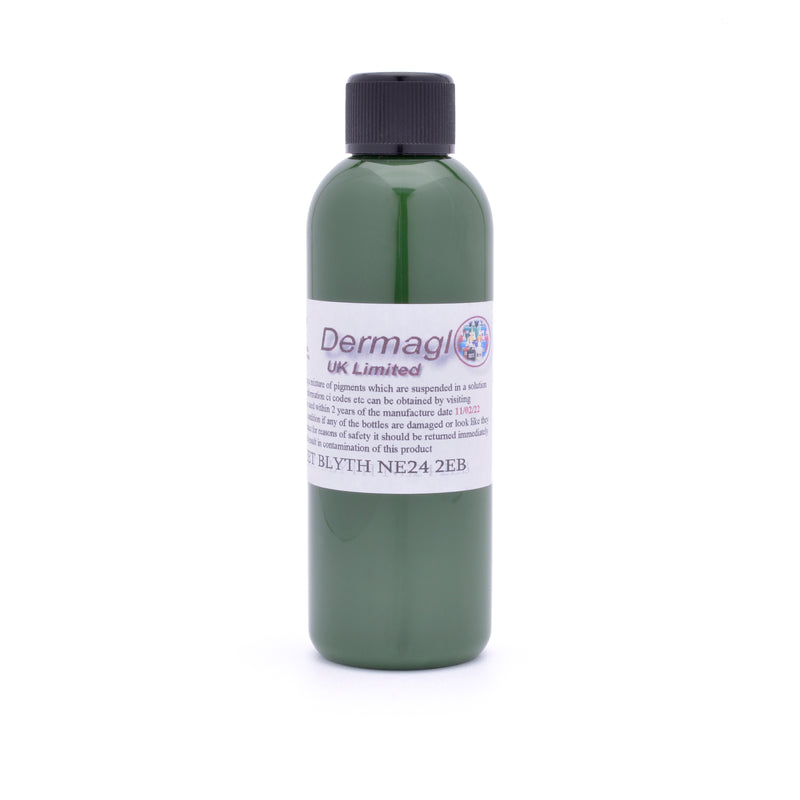
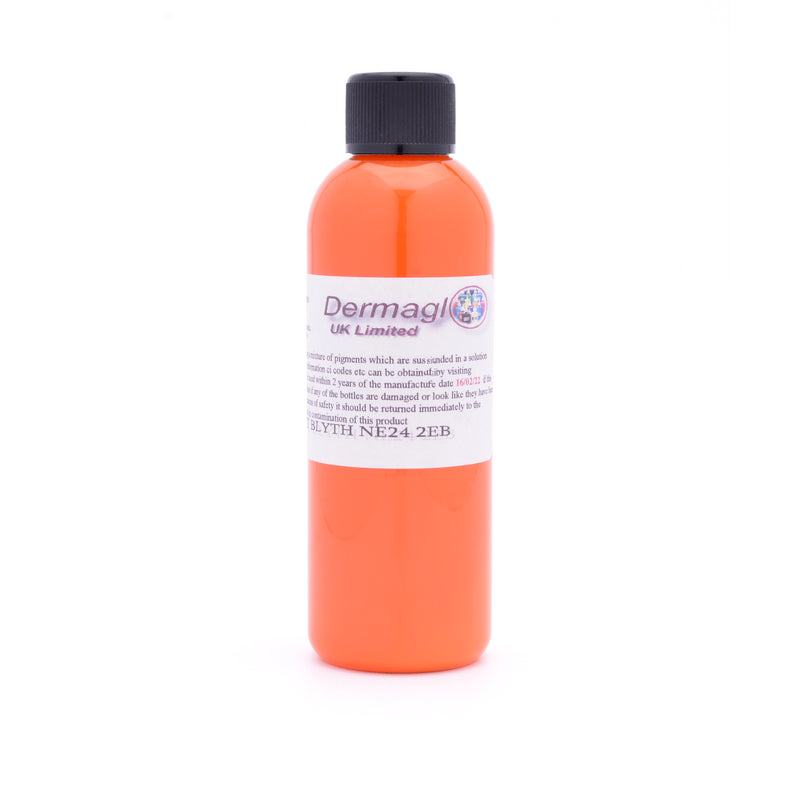
Dermaglo is vegan; per-product SDS is available but published ingredient detail is lighter than Eternal or Solid.
-
Kwadron, known primarily for its needles and cartridges, makes fewer formulation claims on its Inx Enriched Black line,check the specific product page before a reactive client and don't assume vegan status.
Every ink on Eikon's shelf comes from a Health-Canada-notified brand. That's the baseline. Where brands differ is in how much they show their work, and the ones that publish CI numbers and full carrier ingredients give you something checkable, not just a label.
What "Health Canada Compliant" Actually Promises
A Health-Canada-notified tattoo ink has been declared to the regulator — the Cosmetic Notification Form is filed within 10 days of first sale. The manufacturer has filed the Cosmetic Notification Form, and their formulation is on file with Health Canada. That notification places the product within the enforcement framework, Health Canada can and does test against its impurity benchmarks and ISO 17516 microbial standards.
What it does not promise is that every bottle has been individually tested, or that no reaction is possible for every client. Compliance means the brand operates within Canada's framework; it does not mean ingredient safety is guaranteed for every person. The Hotlist evolves as toxicological evidence accumulates, and some ingredients that were on-shelf last year are restricted this year.
The honest frame for a Canadian artist: buying through Eikon's catalogue means every ink is from a notified brand, without having to track down the CNF status yourself. The regulatory work is already done. That's more meaningful than "heavy-metal-free" ever was, it's a verifiable, enforced position, not a label.
Eikon also holds an active Health Canada Medical Device Establishment Licence (MDEL 4071), which covers the professional needles and cartridges it distributes under formal Health Canada oversight. That licence is device-side; ink is regulated separately as a cosmetic. Together they represent Eikon's engagement with Health Canada's framework across its product range, a level of regulatory participation most tattoo supply companies don't have.