USA
USA
 Canada

Vegan Tattoo Ink - Vegan Tattoo Ink
Filters
Products:





What Is Vegan Tattoo Ink?
Vegan tattoo ink contains no animal-derived ingredients: no glycerin rendered from animal fat, no bone-char black from calcined bone, no carmine red from cochineal insects, no shellac from lac beetles. That is what the claim means, an ingredient-sourcing decision, nothing more and nothing less.
It does not mean certified, and it does not mean safer. No Leaping Bunny, PETA, or Cruelty Free International certification covers any of the brands Eikon carries, these are self-asserted brand claims, which is industry-typical. Professional tattoo ink brands are generally too small to carry the overhead of third-party certification, and self-assertion is not a red flag. It just means you are taking the brand's word, not an auditor's.
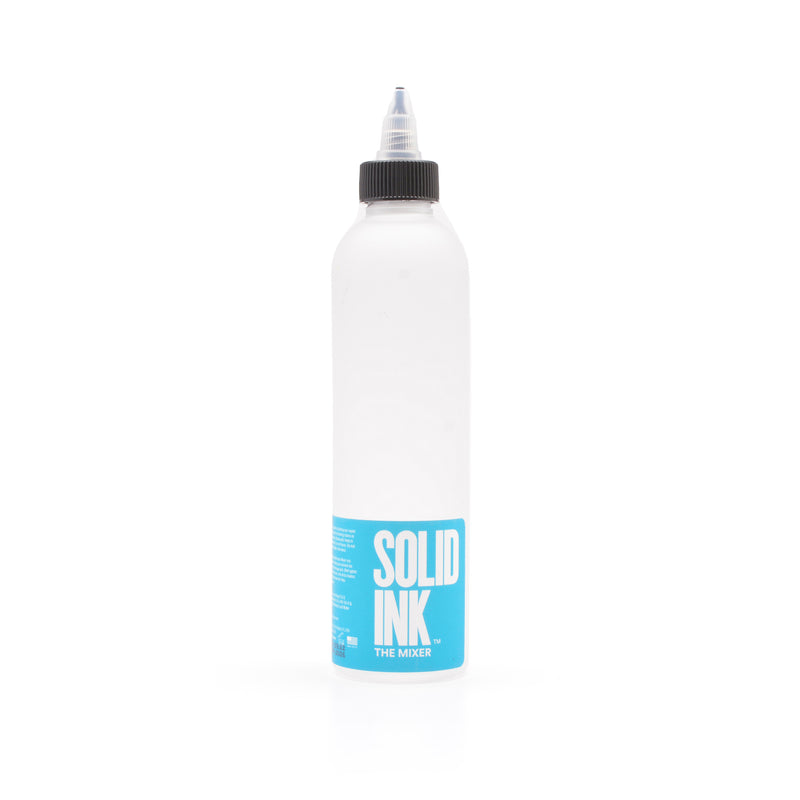
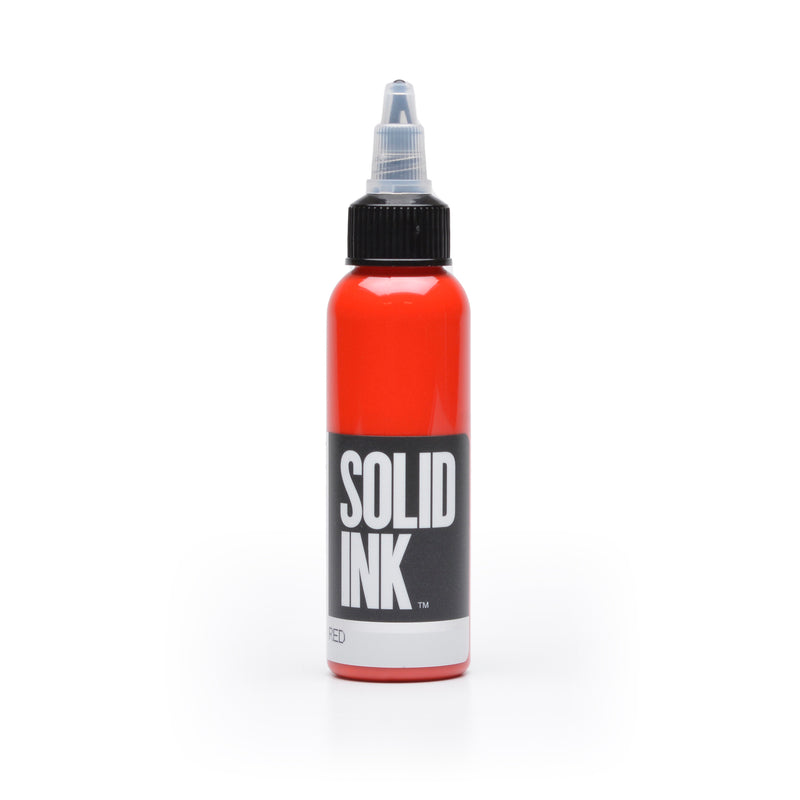
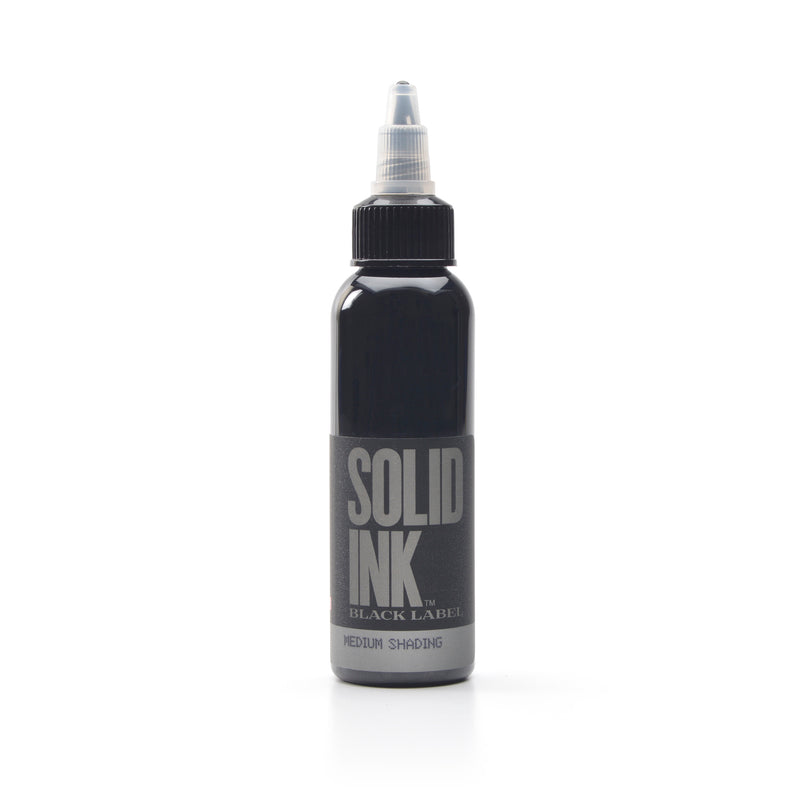
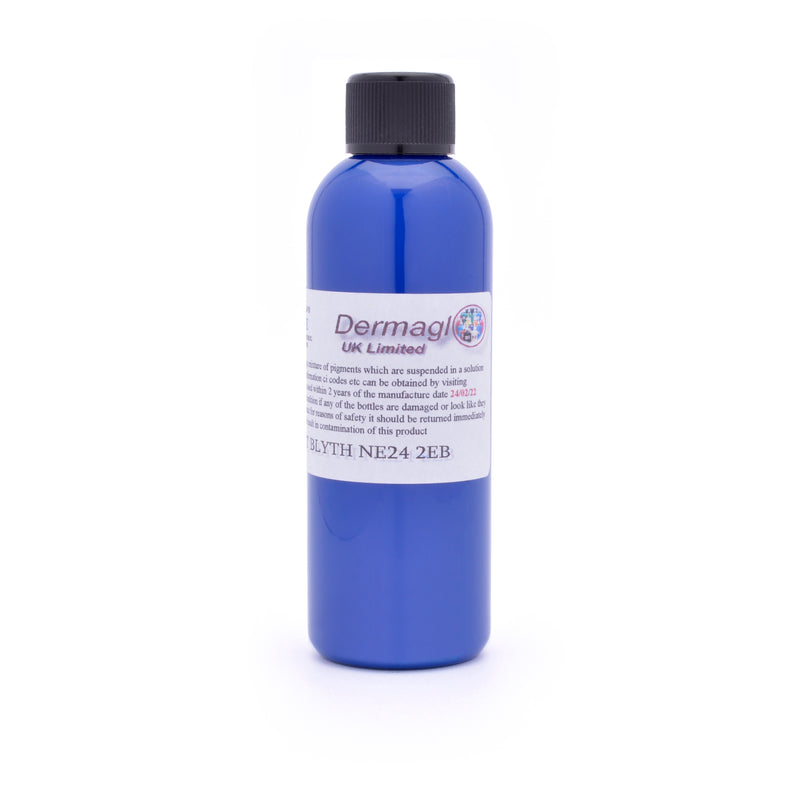
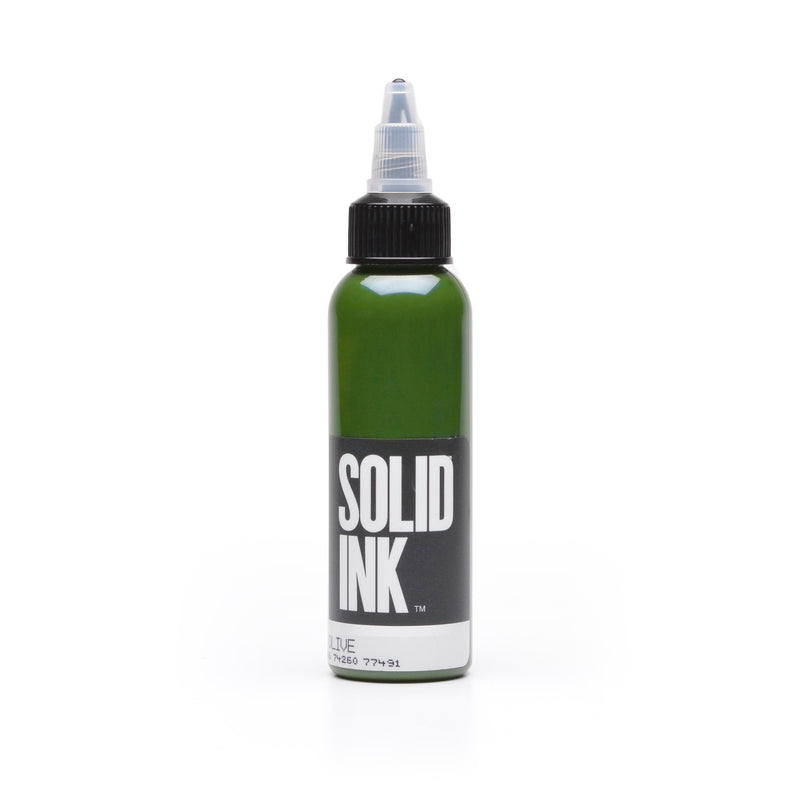
What the claim is worth depends almost entirely on how much a brand publishes to back it. Solid Ink goes furthest, it names every component of its base (vegetable glycerin, distilled water, witch hazel, organic powder pigments) and calls out explicitly that the glycerin source is vegetable, the question any vegan formulation lives or dies on. Panthera's Black Gold MSDS lists vegetable glycerin and plant extracts. Empire states 100% vegan across its full line, including Ivory Black, a colour whose name comes from the traditional bone-char pigment, though Empire's formulation contains none. At the other end, Dermaglo claims vegan across its distributors but does not publish an ingredient list, so it is a brand assertion with no document behind it. Fusion uses "completely vegan-safe" language without full ingredient disclosure. Kwadron, better known for its needles and cartridges, makes no vegan claim on its Inx Enriched Black, check the specific product page before assuming.
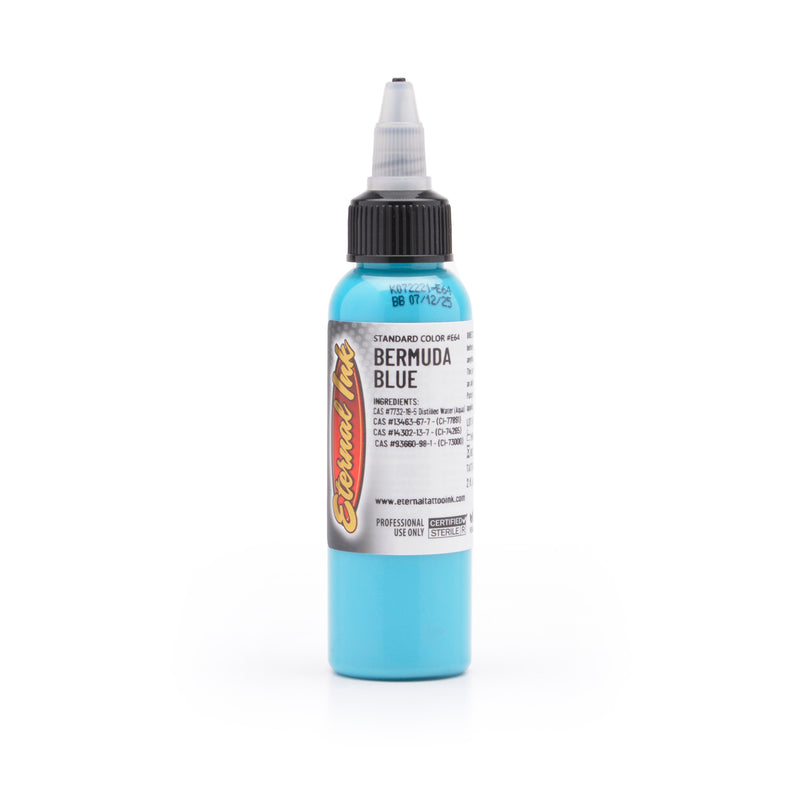
Eikon stocks vegan-formulated inks from Eternal, Solid, Fusion, Panthera, Empire, and Dermaglo.
Hidden Animal Ingredients in Traditional Tattoo Inks
The ingredient to watch is glycerin. It is in nearly every ink formula as a carrier humectant, and it can come from either animal fat (tallow) or plant sources (palm or soy). A label that says only "glycerin" tells you nothing about the source; "vegetable glycerin" is the call-out that resolves it. Solid Ink makes that distinction explicitly; most brands do not.
The others, bone-char black, carmine, shellac, gelatin, are increasingly rare in professional tattoo ink. Synthetic carbon and iron-oxide blacks have effectively displaced bone char because they are cheaper and more consistent. Carmine appears mostly in cosmetic pigments and legacy craft inks, not in professional tattoo lines. Shellac is similarly a legacy binder. The vegan question for a modern professional ink is almost always just: what is the glycerin source?
The naming convention adds another layer of confusion worth knowing. Empire's Ivory Black takes its name from the historical bone-char pigment; ivory black, vine black, and Mars black are all traditional fine-art colour names that persist in modern vegan formulations without the original animal-derived source. Empire's Ivory Black is 100% vegan. The name is a colour reference, not an ingredient statement.
Are Vegan Inks Safer for Sensitive Clients?
Vegan describes ingredient sourcing, not allergen risk. A vegan ink can still contain a known sensitiser, and the most documented one in the industry is not an animal product, it is Pigment Red 170 (PR170), the naphthol red used across most brands' red spectrum, which carries the highest rate of reported skin sensitivity of any tattoo pigment colour family. That is a category-level property that applies to vegan and non-vegan formulations equally.
Plant-derived carriers are not automatically gentler. Witch hazel, which Solid lists in its base, is an astringent; glycerin from any source can sensitise in concentrated form. For a client with known sensitivities, the useful move is checking the ingredient list for that specific client's reaction history, not filtering by "vegan" and assuming the rest.
What vegan does give you for sensitive-client work: brands that claim vegan formulation are typically the ones publishing more ingredient detail, which makes the actual allergen audit possible. Solid and Panthera lead on that disclosure, and their documentation is available through Eikon's product pages. For any client with a documented sensitivity to a specific compound, published ingredient lists are the thing, not the vegan label.
Vegan vs Cruelty-Free Are They the Same?
They are separate claims that happen to travel together. Vegan means no animal-derived ingredients; cruelty-free means no animal testing during development or post-market. A product could, in principle, be one without the other. In practice, across the brands Eikon carries, the two are paired; every brand claiming vegan also claims cruelty-free.
Neither claim is independently certified for any brand in the catalogue. Leaping Bunny, PETA's Beauty Without Bunnies, and Cruelty Free International are the reference certification bodies; none of Eikon's seven brands hold their seals. This is consistent with how the professional tattoo ink segment works; the brands are too specialised and too small for the certification overhead. The honest description is brand-asserted vegan and brand-asserted cruelty-free, which is what it is.
Where the two claims gain weight is when a brand publishes its formulation in enough detail that you can verify the ingredient side independently, even without the certification. Solid's published base and Panthera's MSDS are the model. For the brands that make the claim without publishing ingredients, Dermaglo, to some extent Eternal and Fusion, you are trusting the brand.
Which Eikon Ink Brands Are Vegan?
The short answer: six of the seven brands claim it; Kwadron does not.
-
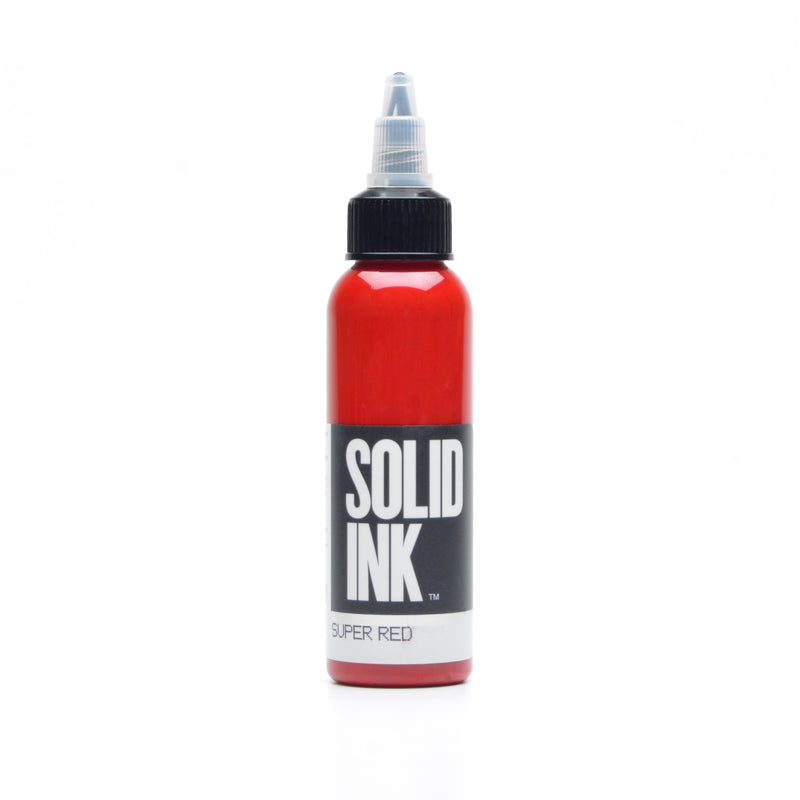
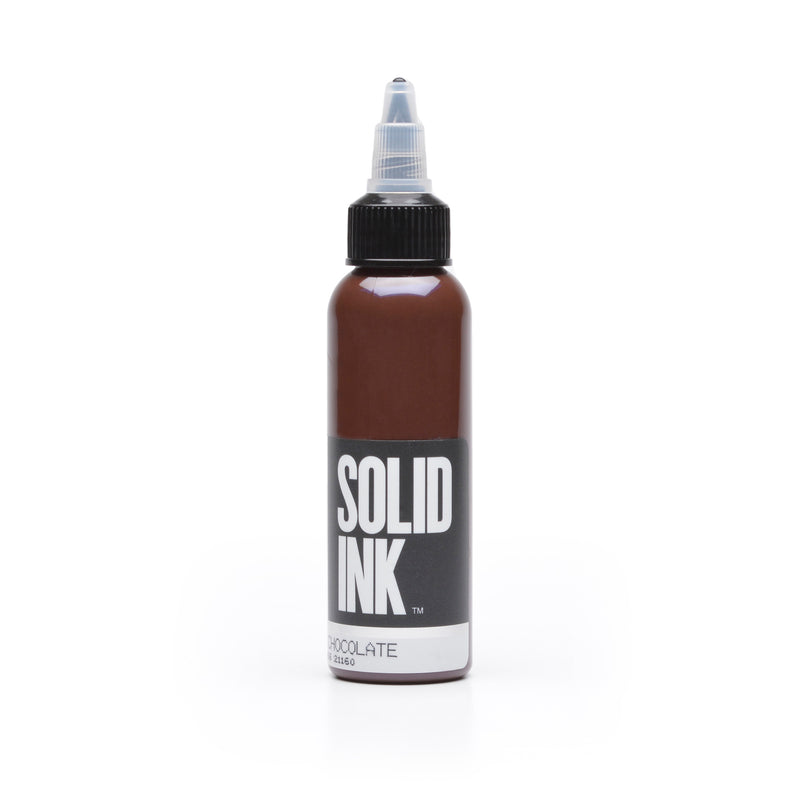
Solid Ink — 100% vegan (brand's exact claim); publishes its full base: vegetable glycerin, distilled water, witch hazel, organic powder pigments. Also gluten-free. The most substantiated vegan claim in the catalogue.
-
Empire Inks — 100% vegan across the full line, including Ivory Black (vegan reformulation; the colour name is traditional, the formulation is not). High substantiation.
-
Panthera — vegan across its full line; MSDS for Black Gold lists vegetable glycerin and plant extracts. REACH-compliant, which also constrains ingredient sourcing.
-
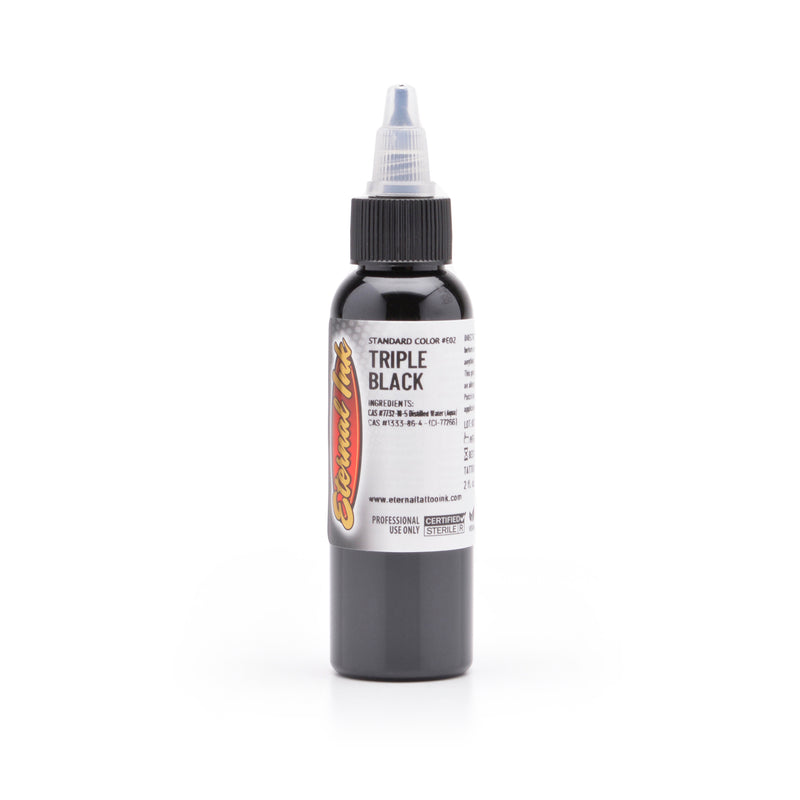
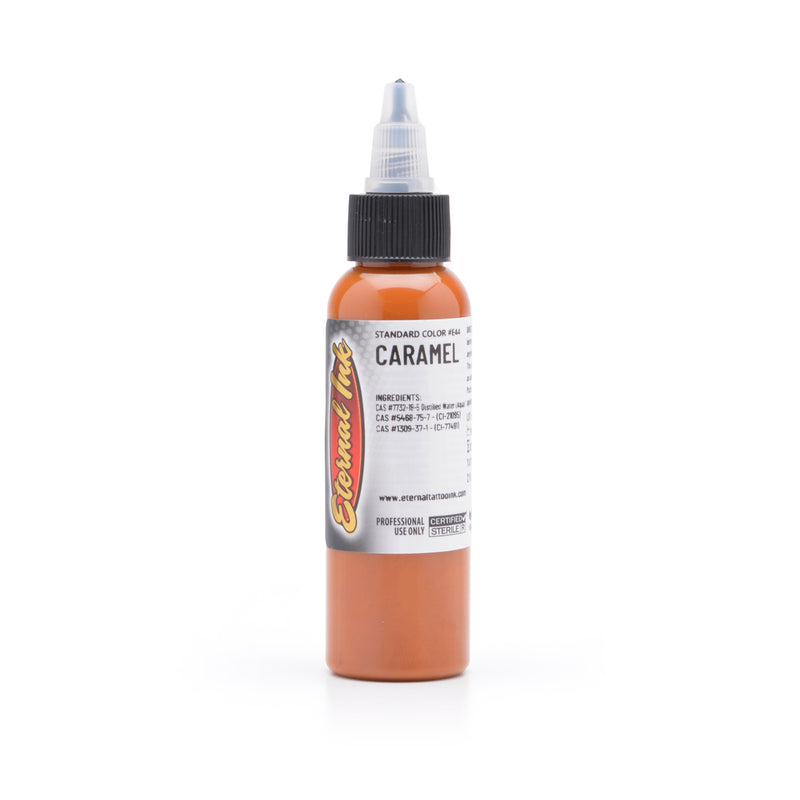
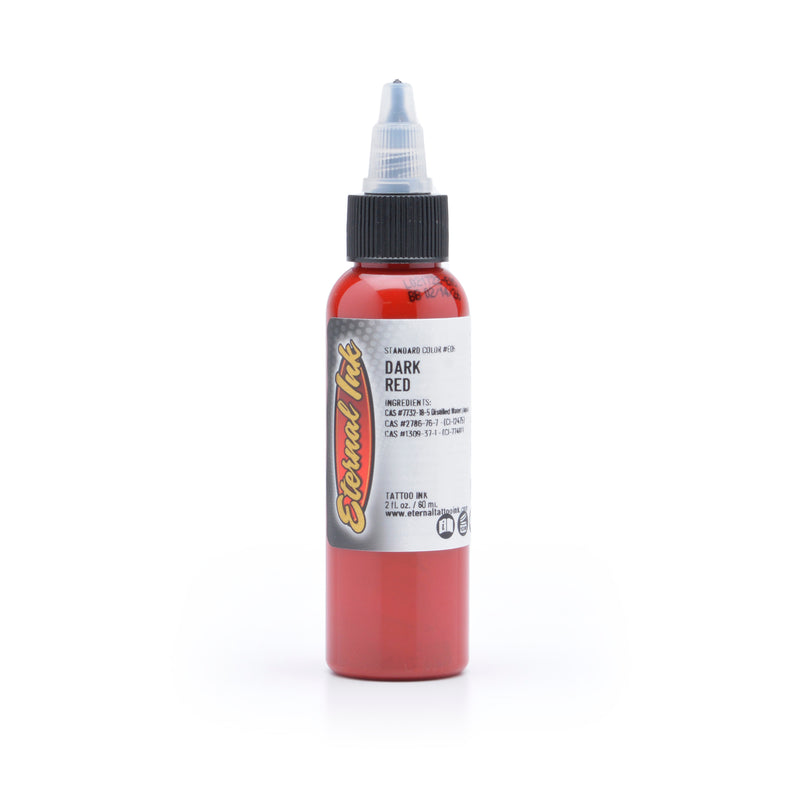
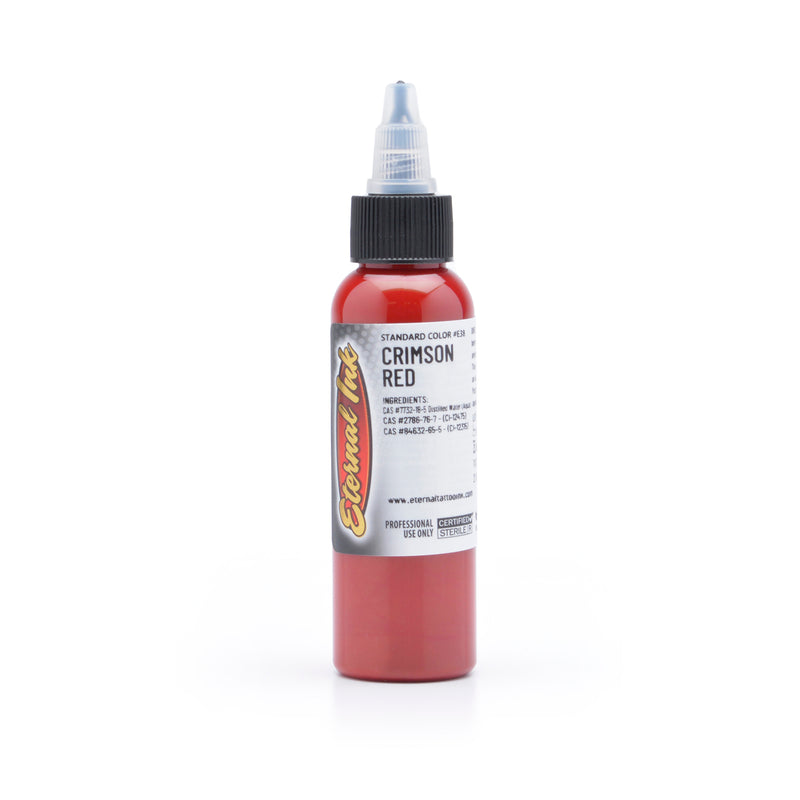
Eternal Ink — claims vegan; ingredient-level disclosure is not fully published, but the claim is consistent across brand channels. Medium substantiation.
-
Fusion Ink — "completely vegan-safe" is the brand's language. No full ingredient list published. Medium substantiation.
-
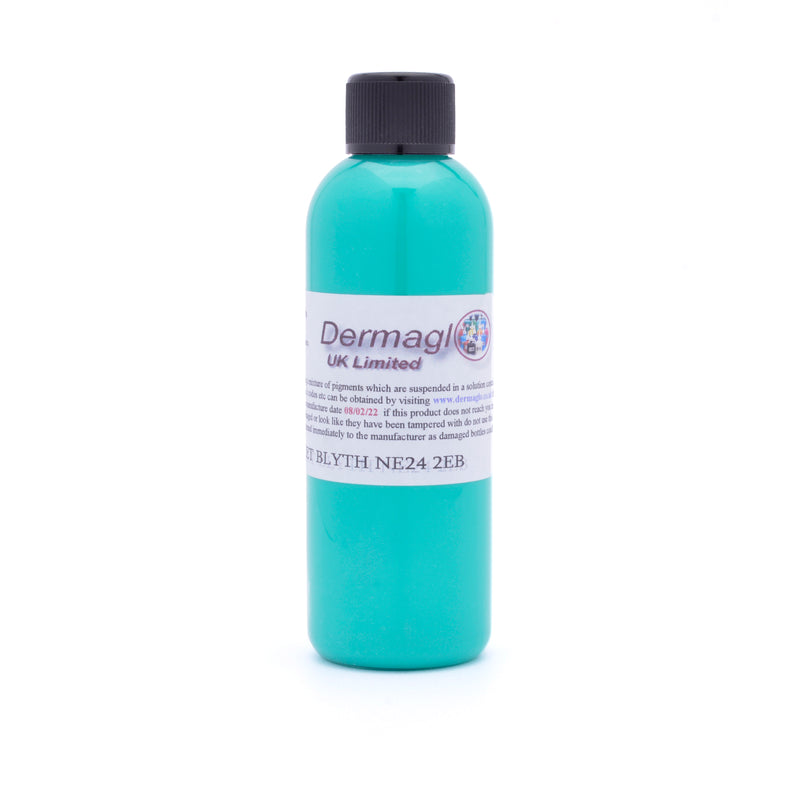
Dermaglo — vegan claim appears consistently across its distributors; no published ingredient list. Lower substantiation depth, but the claim is broadly repeated.
-
Kwadron Inx Enriched Black — Kwadron does not claim vegan on this product. The EU SDS ingredient listing is plausibly compatible with a vegan formulation, but the brand makes no claim and no certification exists. Check the product page; do not infer.
Eikon stocks all seven brands. Kwadron is available as Inx Enriched Black in 4 oz and 8 oz.
What Actually Makes Tattoo Ink Safe in Canada
The relevant legal framework for ink safety in Canada is Health Canada's cosmetic regulations, not the vegan claim. Tattoo inks are classified as cosmetics under the Food and Drugs Act; manufacturers must notify Health Canada via a Cosmetic Notification Form, filed within 10 days of first sale. Health Canada sets heavy-metal impurity benchmarks — lead at or under 10 ppm, arsenic and cadmium 3 ppm, mercury 1 ppm — and enforces them post-market. Meeting those benchmarks is the manufacturer's responsibility. Eikon carries only brands that have notified Health Canada; that is the extent of Eikon's checking. Health Canada enforces the benchmarks; the manufacturer meets them.
The MDEL Eikon holds a Medical Device Establishment Licence 4071, which covers needles and cartridges and other Class I and II medical devices. It does not cover ink, which is regulated separately as a cosmetic. It is worth naming because it is a meaningful credential for the device side of the catalogue, but it has no bearing on the ink bottles.
What this means in practice: every ink Eikon stocks comes from a Health-Canada-notified brand. That is a real and verifiable standard. It does not mean every ingredient is safe for every client, Health Canada's list of prohibited substances evolves as toxicology advances, and a notified ink is not a promise that no one will ever react to it. The Hotlist covers known hazards; unknown sensitisation is a different question. And none of this is the vegan claim, which is a separate, ingredient-sourcing statement with no regulatory backing.
Which Vegan Ink Is Right for the Work?
Vegan is a filter, not a selector. Once you have filtered to vegan-formulated inks, you are still choosing based on working properties, which vary across brands and which the vegan claim says nothing about.
For black-and-grey artists, Panthera and Dermaglo are the primary options. Panthera Black Gold replaces conventional preservatives with a citrus-extract and acidic-pH system, relevant for clients with documented preservative sensitivities, not a universal upgrade. Dermaglo runs thicker from a heavy pigment load; the White is the thickest in the line. Neither of those is about vegan formulation; it is just the ink's properties.
For colour work, Eternal, Solid, and Empire are the main lines. Eternal publishes Color Index numbers per shade, the most detailed pigment disclosure in the catalogue, useful when a sensitive client needs to know exactly what is in a specific colour. Solid leads on base disclosure. Empire's wash systems (grey wash, white wash sets) are the colour-work specialist angle.
Fusion runs across styles without a defining specialisation. It is vegan-safe and broadly available across the range.
The practical frame for a client asking "is this vegan": yes, with the qualifier that Kwadron is excluded, that none of these brands are independently certified, and that vegan does not mean allergen-free. For an artist choosing between the vegan brands, the differentiator is ingredient transparency, which brand publishes enough detail to actually check what you are buying, not the vegan label itself.
Eikon carries the full Eternal, Solid, Fusion, Panthera, Empire, and Dermaglo catalogues, plus Kwadron Inx Enriched Black.