Tattoo Ink For Sensitive Skin - Tattoo Ink For Sensitive Skin
Can You Get a Tattoo If You Have Sensitive Skin?
Yes, with the right information in hand before the session, not a guarantee on the label. Sensitive skin raises the stakes on ink selection, but "sensitive skin" covers a wide range of conditions, eczema, rosacea, latex sensitivity, known metal allergies, and general skin reactivity are different profiles with different trigger points. No single ink accommodates all of them, which is why the preparation step matters more than the brand name.
The most useful thing an artist or client can do is narrow the question down to specifics: which pigment families show up most in the design? Are reds and yellows involved, and if so, is PR170 (the naphthol red used across most brands' red palette) a known concern? What preservative system does the ink use? A patch test 48–72 hours before the session answers the specific ink-and-skin combination, not a general category claim on the bottle.
For clients with documented metal sensitivities: the trigger is nearly always the reactive impurity (nickel, chromium traces), not the structural pigment, which is why Health Canada's heavy-metal impurity limits (lead under 10 ppm, arsenic and cadmium under 3, mercury under 1) are the regulatory floor that's worth confirming, rather than chasing blanket "metal-free" marketing.
What "Hypoallergenic" Actually Means for Tattoo Ink
Nothing regulated, "hypoallergenic" has no agreed standard for tattoo ink anywhere. No Health Canada definition, no FDA definition, no ISO equivalent for injectables. A brand printing it on the bottle is making an unverifiable claim, not meeting a threshold.
What's verifiable is narrower and more useful. A formulation with fewer additives, a documented preservative system, and a published ingredient list gives an artist something to check, whether the specific pigment or carrier component a reactive client has responded to in the past appears in this ink. That's a meaningful pre-session step; "hypoallergenic" on the label is not.
The honest framing: every tattoo ink carries some reaction potential because any substance introduced below the skin barrier can provoke an immune response. The goal is reducing known, documented risk for a specific client, not eliminating a risk that can't be zeroed out.
What Drives Tattoo Ink Reactions
The most documented reaction trigger in tattoo ink isn't a contaminant, it's a pigment. Pigment Red 170 (CI 12475), the naphthol red used across most brands' red spectrum, is the colour family most consistently linked to sensitisation responses in dermatological literature (Bil et al., PMC6282746, NIH). That's a category-level property, not a formulation failure by any single brand: PR170 is standard across the industry because it delivers the saturation and lightfastness reds need.
Red ink's reputation for reactions historically also involved mercury sulfide (cinnabar) and cadmium compounds, both of which are now either banned or restricted under Health Canada's Cosmetic Ingredient Hotlist and REACH's 2023 restrictions. Modern red formulations look different from the reds of two decades ago. The concern worth carrying forward is PR170 specifically, not a general red-ink anxiety.
Beyond red pigments, two other categories are worth flagging for reactive clients:
-
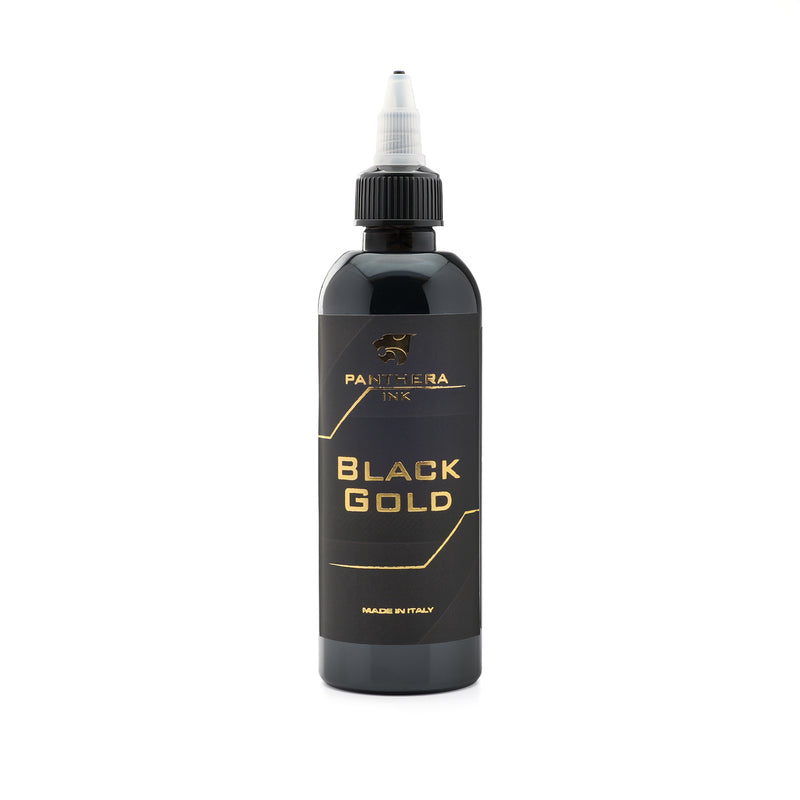
Preservative systems — traditional preservatives (certain phenols, formaldehyde releasers) are more reactive than plant-derived alternatives. Panthera's Black Gold replaces conventional preservatives with a citrus-extract and acid system, which is worth noting for clients with documented preservative sensitivities.
-
Carrier components — glycerin can be a skin sensitiser in some profiles. Brands that disclose the full carrier (Solid publishes vegetable glycerin + distilled water + witch hazel verbatim; Panthera's Black Gold MSDS is the most complete carrier disclosure of any brand Eikon carries) give artists something to check against a client's known triggers.
What "Heavy-Metal-Free" and "Non-Toxic" Actually Mean
Neither is a defined tattoo-ink standard. Trace metals like iron, titanium, and copper aren't contaminants, they are the pigment: iron oxide is the black, titanium dioxide is the white, copper phthalocyanine is the blue and green. A blanket "heavy-metal-free" claim would mean no mineral pigments at all, which describes a very limited ink palette.
What is regulated and verifiable is the impurity limit: Health Canada caps the toxic metals at strict thresholds, lead under 10 ppm, arsenic and cadmium under 3 ppm, mercury under 1 ppm, antimony under 5 ppm. These limits are set by Health Canada and enforced post-market; meeting them is the manufacturer's responsibility. Every ink legally sold in Canada comes from a brand that has notified Health Canada and whose products fall under these thresholds.
"Non-toxic" has no agreed standard behind it. OSHA does not test, certify, or approve tattoo ink, "OSHA non-toxic," which some brands cite (Solid includes it in their copy), is that brand's own statement, not a government designation. Ask what a specific "non-toxic" or "heavy-metal-free" claim is backed by before weighing it.
How to Evaluate Ink Formulations Before a Sensitive Client
The dependable approach is mechanical, not label-reading. Before a session with a reactive client:
Pull the MSDS or SDS. Every brand Eikon carries has safety data available per product. This is the fastest way to check whether a specific ingredient a reactive client is sensitive to appears in the formulation.
Look at the pigment family for the colours in the design. For reds, PR170 (CI 12475) is the naphthol sensitiser to flag. Blues and greens built on copper phthalocyanine (PB15, PG7) carry their own reactivity profile. Whites and blacks built on titanium dioxide and carbon black are generally the lowest-reaction pigment families.
Check the preservative system. Conventional preservatives (phenoxyethanol, certain paraben-adjacent compounds) are more reactive than acid/citrus-based systems. For a client with documented preservative sensitivity, Panthera Black Gold's plant-extract and acid system is the formulation built for exactly this concern, though "preservative-free" is a sourcing choice, not a healing guarantee.
Patch test. A small amount of the actual ink, in a discreet area, 48–72 hours before the full session is the only way to test the specific ink-and-client combination. No label replaces it.
Which Brands Publish the Most Ingredient Detail
Ingredient disclosure across Eikon's roster varies considerably, and for a reactive client, disclosure depth is the variable worth sorting on:
-
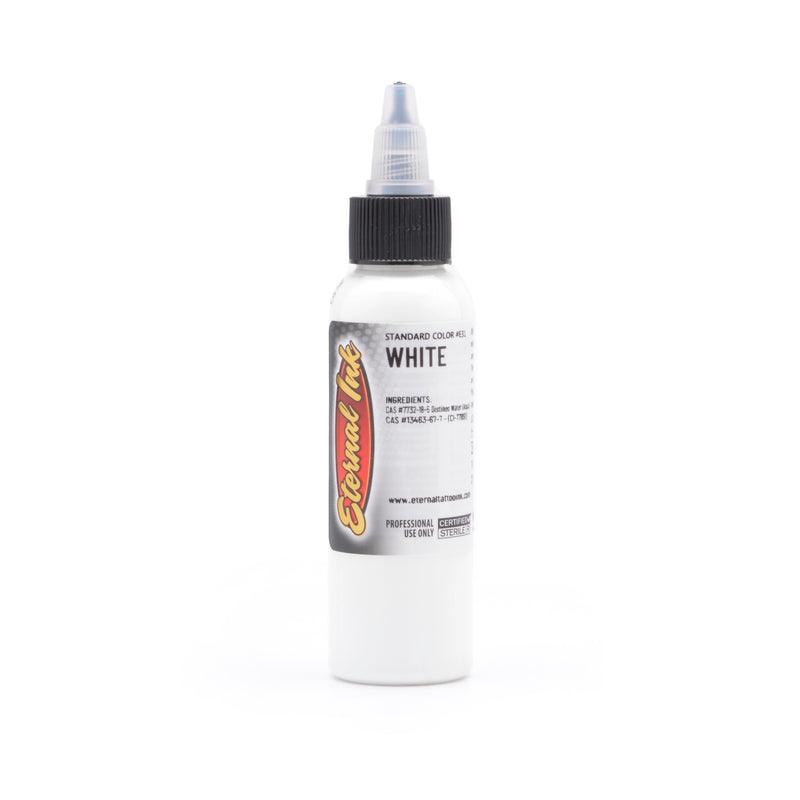
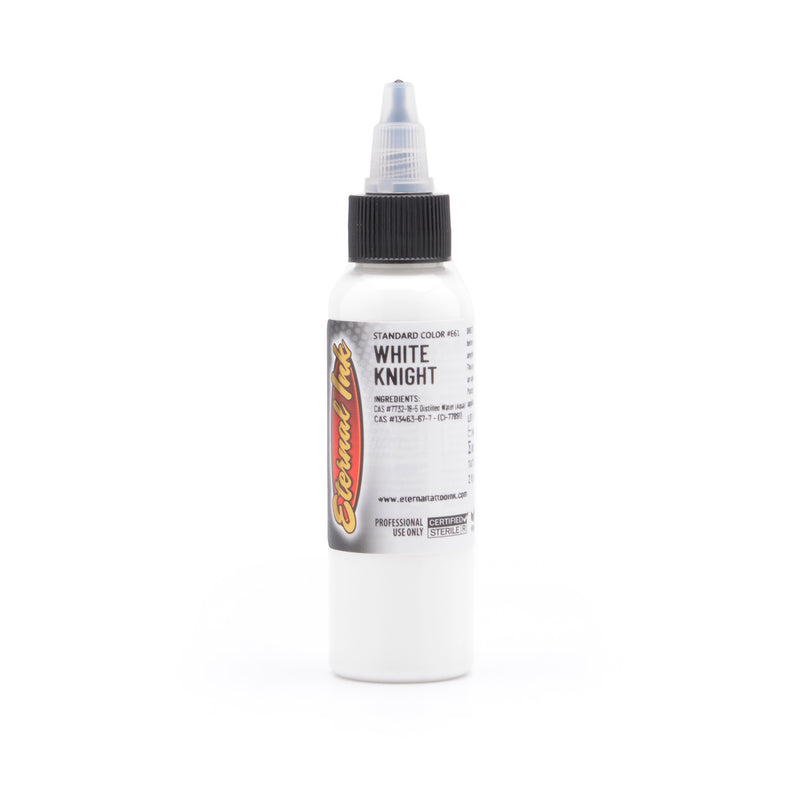
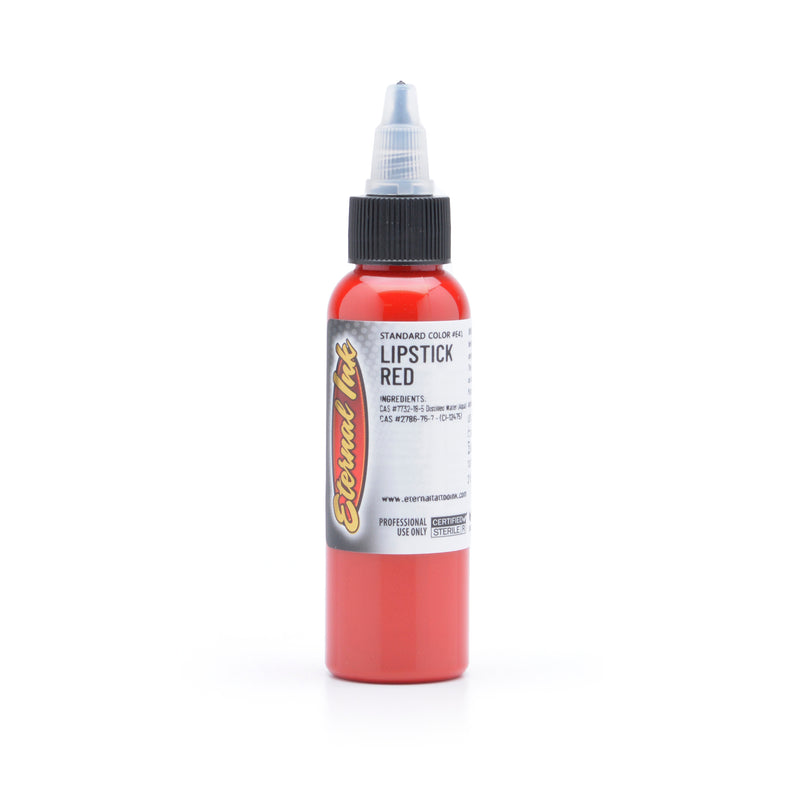
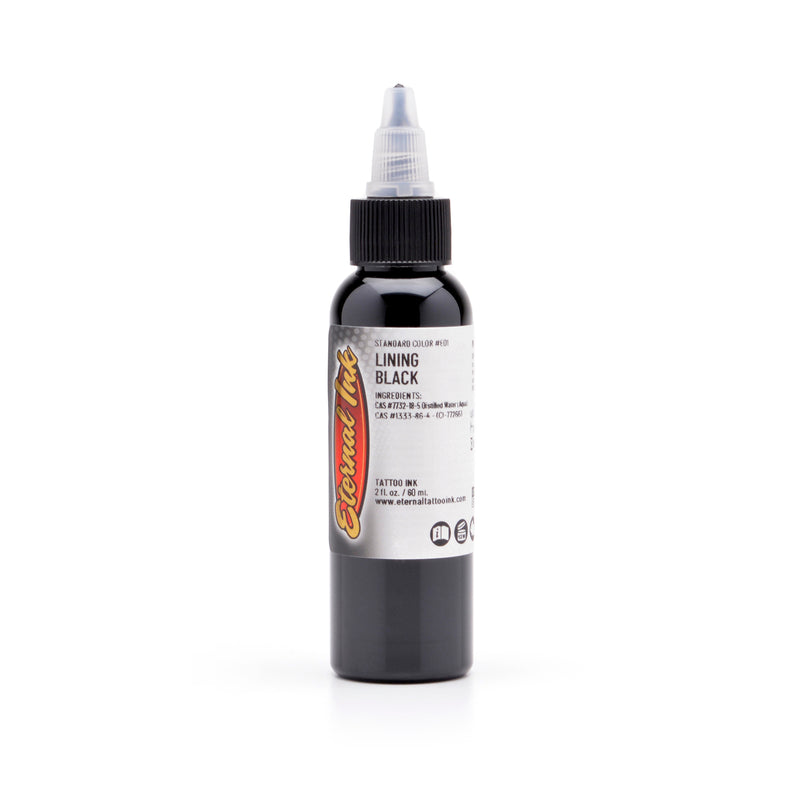
Eternal Ink publishes Color Index numbers per shade on eternaltattoosupply.com, the most detailed per-colour ingredient disclosure of any brand Eikon carries. An artist can look up the exact chromophore for a shade before a sensitive client's session.
-
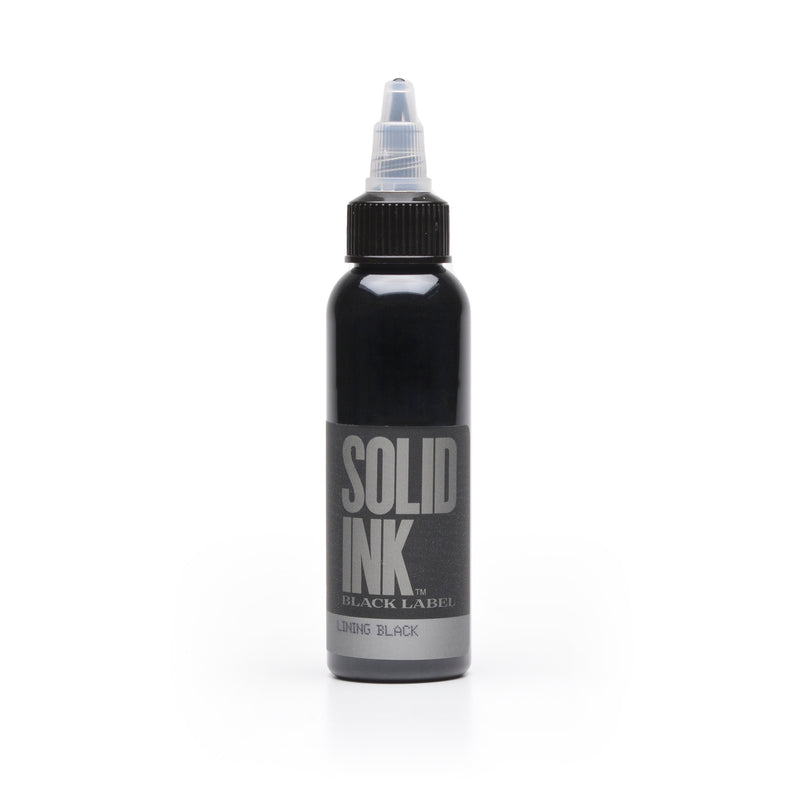
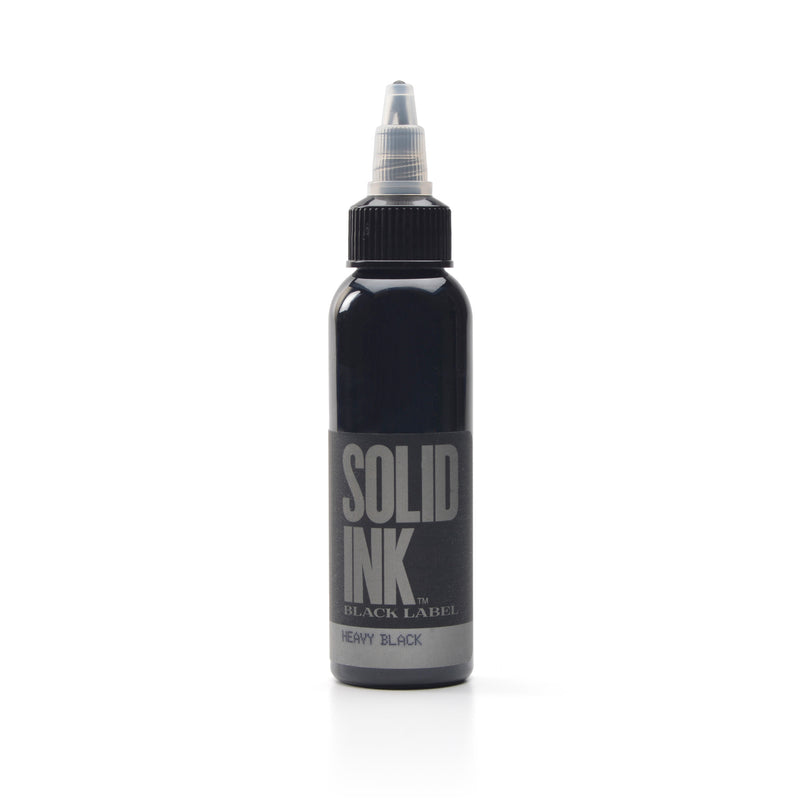
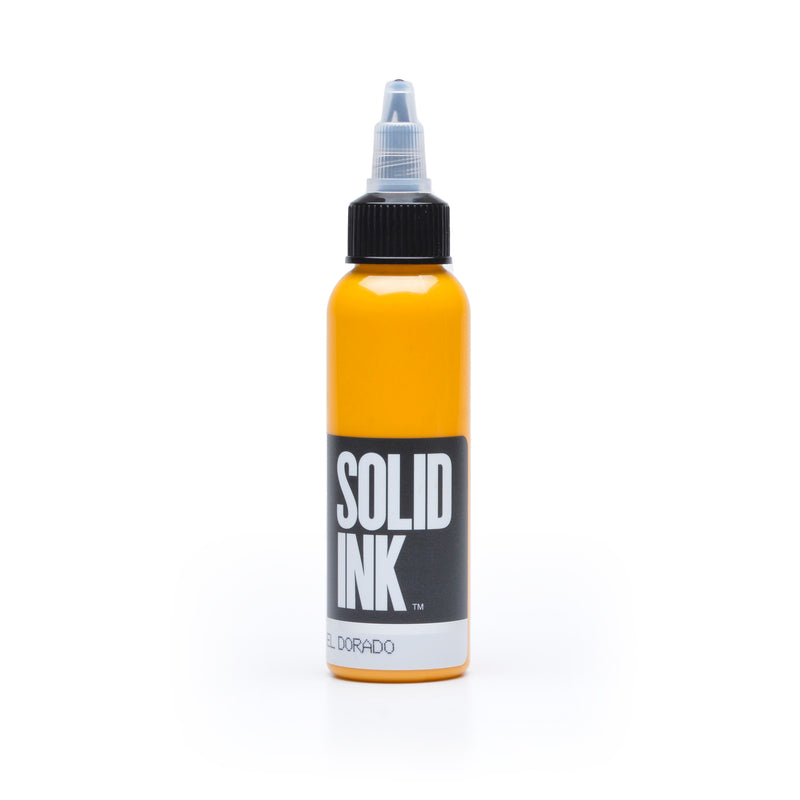
Solid Ink publishes the full carrier verbatim: vegetable glycerin, distilled water, witch hazel. 100% vegan; no animal-derived ingredients. The carrier transparency is the most complete on the roster.
-
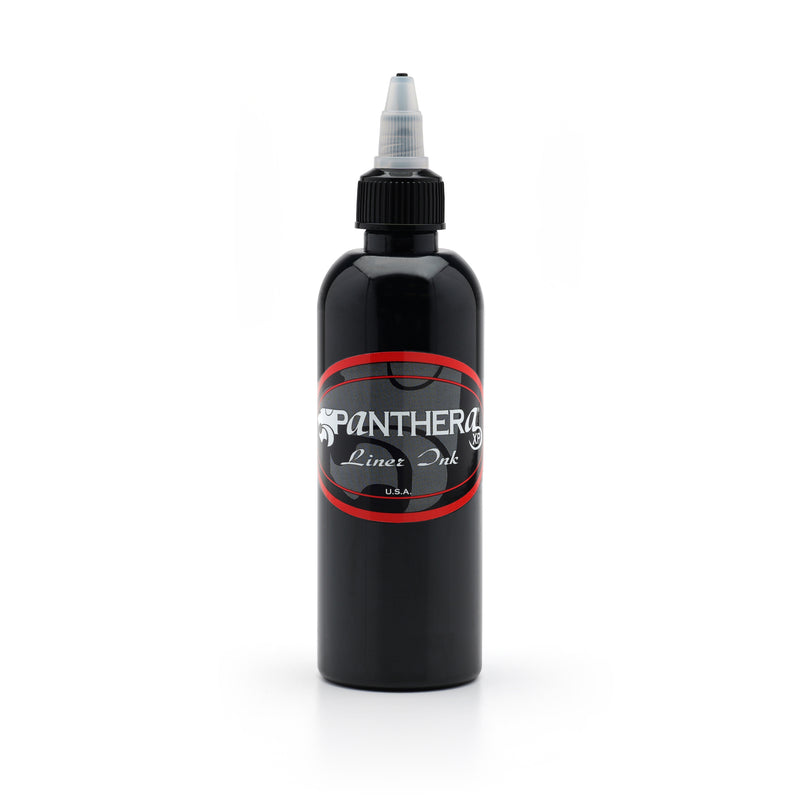
Panthera Ink provides a voluntary Product Safety Information Sheet for Black Gold with a full INCI list, the most thorough single-product disclosure available. Its Black Gold uses a citrus-extract and acid preservative system, relevant for clients with conventional preservative sensitivities.
-
Empire Inks is 100% vegan with well-substantiated formulation claims; SDS available per product on request.
-
Fusion Ink is vegan-formulated; the Gradient System (MOCRA-reformulated line) replaced isopropyl alcohol with medical-grade ethanol in the carrier.
-
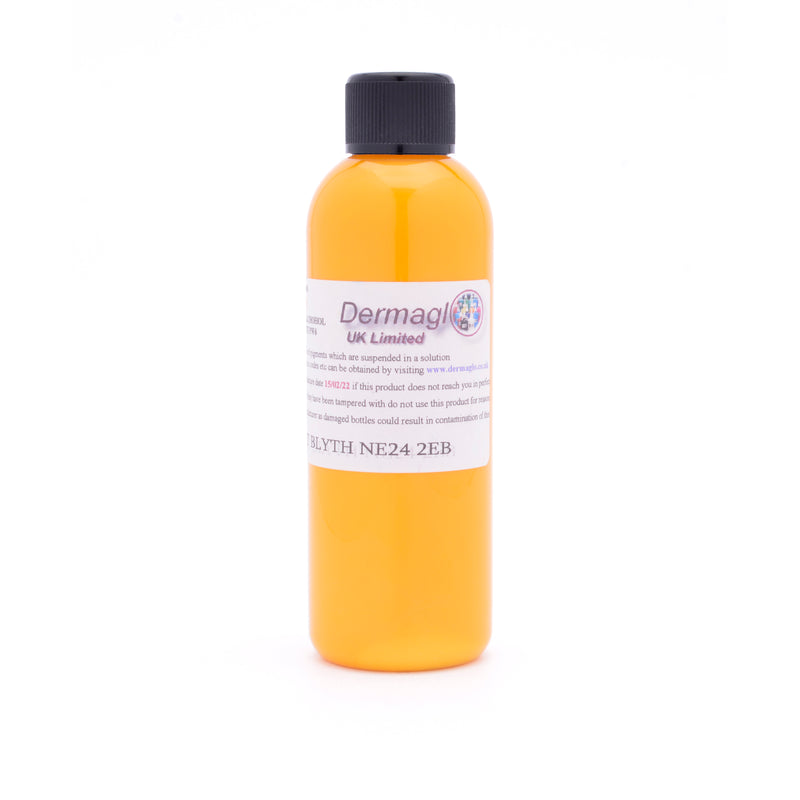
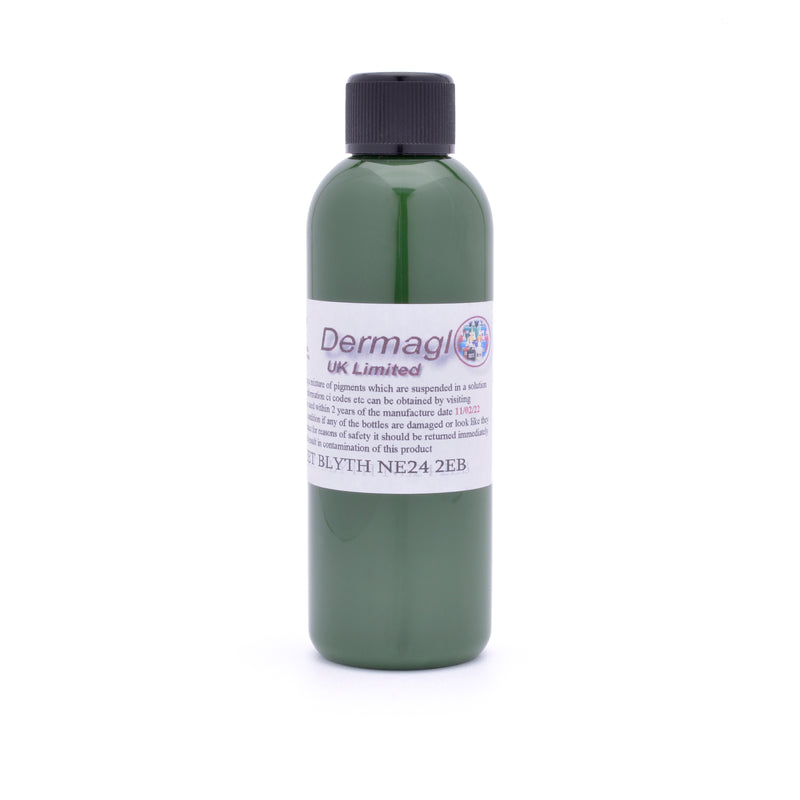
Dermaglo Ink carries a vegan claim; per-product SDS is available, though ingredient detail is lighter than Solid or Panthera.
-
Kwadron Inx Enriched Black, Kwadron makes no vegan claim on its Inx line. The EU SDS lists 1,2-hexanediol and 1,2-octanediol as the preservative system; CI numbers are not published. Verify per the available SDS before assuming formulation compatibility with a reactive client.
None of that is a safety guarantee, but disclosure you can check is more useful than an adjective you can't verify.
What "Health Canada Compliant" Covers (and Doesn't)
Every ink Eikon stocks comes from a brand that has notified Health Canada , Eikon carries Health-Canada-notified brands, and that is the extent of Eikon's compliance role on the ink side. Health Canada sets and enforces the heavy-metal impurity limits and the ISO 17516 microbial benchmarks post-market; meeting those limits is the manufacturer's responsibility.
What that means practically: ink on Eikon's shelf is from a notified brand that falls under Canada's impurity and microbial framework. What it does not mean: that every bottle has been pre-tested by anyone, or that any ingredient is clinically safe for every client. The Hotlist catches known hazards; science evolves. Health Canada compliance is the regulatory floor, not a per-client safety guarantee, which is why the formulation-specific prep steps above still apply even with notified ink.
Eikon is the only Canadian tattoo supplier holding an active Health Canada Medical Device Establishment Licence (MDEL 4071), which covers the needles and cartridges it distributes, not the ink, which is regulated separately as a cosmetic. Together, the device MDEL and the notified-only ink catalogue show the depth of Eikon's regulatory engagement across its product range.
Vegan Ink and Sensitive Skin
Vegan is a sourcing claim, no animal-derived ingredients, and it is effectively the default across Eikon's roster: Eternal, Solid, Fusion, Panthera, Empire, and Dermaglo all carry vegan formulations. Kwadron makes no vegan claim on its Inx line; verify per product before assuming.
Vegan does not mean allergen-free. A vegan ink can still contain PR170, which is the industry's most documented sensitiser. A vegan carrier using vegetable glycerin is still a carrier that some clients react to. For a reactive client, vegan status is worth noting, but it's one data point in the formulation picture, not a substitute for checking the specific pigments and carrier against that client's known triggers.
Where vegan status does carry weight for sensitive-skin work is in removing one variable, animal-derived glycerin, shellac, or carmine are no longer in the mix, and signalling that a brand has thought about its ingredient list deliberately enough to publish a claim.