USA
USA
 Canada


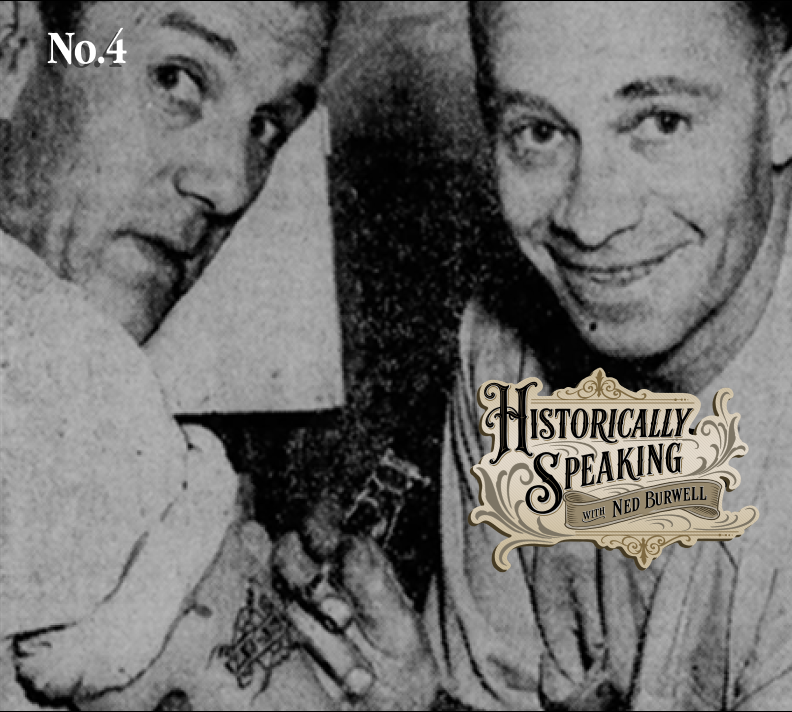
Speed Robinson : "unexplainable craving"
It’s hard to believe that in 17 days, I will be on the road touring with Volume One of the book series. The Canadian Electric tattoo scene project began 6,727 days ago; that’s 18 years and 5 months! These past 30 days have marked several milestones and steady progress forward. All the books for the pre-order and the book tour across Canada have been printed and sent to the bookbinder. With so many details to wrap up and pure exhaustion taking hold, this past month has proven to be the hardest mile in this journey. However, my passion and enthusiasm have not waned in the process.
The biggest milestone of the past month was holding a stack of papers that contained a hundred years of Canadian tattoo history. Printing out the first copy of the book brought a deep sense of gratitude for all the support this project has received over the past 6,727 days. I can't help but feel small in the midst of this endeavour. I was only 5 years old when Volume One of this series ends in 1980. Another milestone this past month was having Mike Austin over to print the book covers. Mike has been a gust of wind in the sails of this project since day one. His support has given more than he knows. The last milestone this past month was dropping off the book blocks to the binder. I’m only days away from holding a completed book in my hands. With time racing forward, it only seems fitting to share a bit about Speed Robinson this month.


1938–1957 | Speed Robinson (Vancouver, B.C.)
Speed Robinson, also known as A.G. Robinson, was born on September 30, 1910, in Ramsgate, England. His family immigrated to Canada in 1920 when he was 10 years old.
When Speed was 14, he was living in a small town near Belleville, Ontario. When the carnival came to town, he received his first tattoo. The moment he had his first tattoo put on, he knew that he would be involved with tattooing for the rest of his life. He felt an instinctive draw to tattooing. A number of people who get into doing tattoos can attest to his words. For some, the immediate draw is so strong that it’s almost impossible to disregard its call for us to do tattoos. Speed referred to this calling as an “unexplainable craving.”
 Speed Robinson tattooing a client. The Vancouver Sun, Sept. 8, 1952, p. 7.
 Speed Robinson getting a tattoo from his mentor, Doc Forbes. The Vancouver Sun, Oct. 31, 1953, p. 21.
Speed passed away just before his 47th birthday on Sept 13, 1957. It is said his passing was due in part to his love of a strong drink. During his 20 years of tattooing, he secured his place in the West Coast tattoo scene.

Looking Ahead | Volume Two is Coming...
Volume Two is currently in the works. The projected release date is December 2027. It holds many of the modern legends that we are all drawing inspiration from today. Volume Two will have two covers. Kurt Wiscombe’s design will be on the hardcover, and Rob Hope’s design will be on the softcover. It's such an honour that these two Canadian legends stepped in to lend their skills for Volume 2.


Glen Paradis designed the title page for Volume One. Next month I will share the story behind the incredible image Glen contributed to the project. Glen (@glenparadis) is one of Canada’s prize illustrators, and I knew he would knock it out of the park if the idea took hold of his ambition. He did an outstanding job on this drawing, and I can’t thank him enough for all the effort he put into it. I feel it adds even more value to this rare and already precious body of work. Two poster prints of this design will be available during the book tour.


Ned Burwell is a Canadian master tattooist, and dedicated historian, who began his career in 1993 under the mentorship of veteran tattooist Mack Bregg. Ned’s tattoo style is most recognized for his large-scale, black-and-grey tattoos featuring wildlife and spiritual imagery. Since 2008, he has been meticulously documenting the origins of Canadian body art, and is currently compiling his research and interviews into a comprehensive 3-book series that will trace Canadian tattoo culture back to 1899.
He has recently finished writing The Canadian Electric Tattooing Scene - Volume One, which will be published in the fall of 2026, and to celebrate the launch, and give you a taste of what’s to come, Ned is writing a series of articles called "Historically Speaking", and each month you can expect to see one featured in our Insider Email, and here in the Buzzz. If you want to get yourself a copy of Ned’s first book, you can order it here.