USA
USA
 Canada


High Pigment Colour Tattoo Ink - High Pigment Colour Tattoo Ink
Filters
Products:
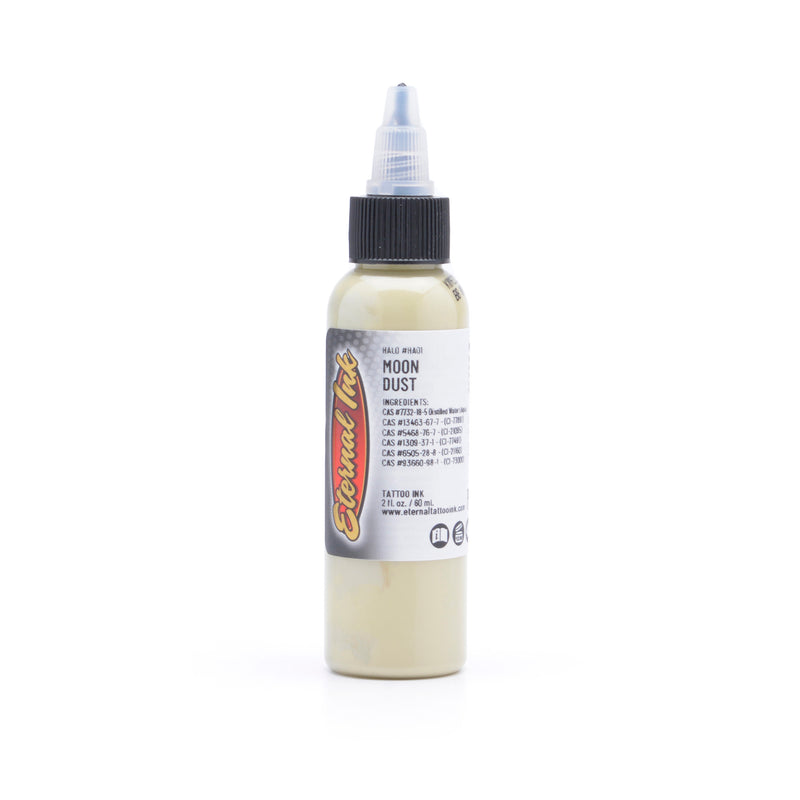
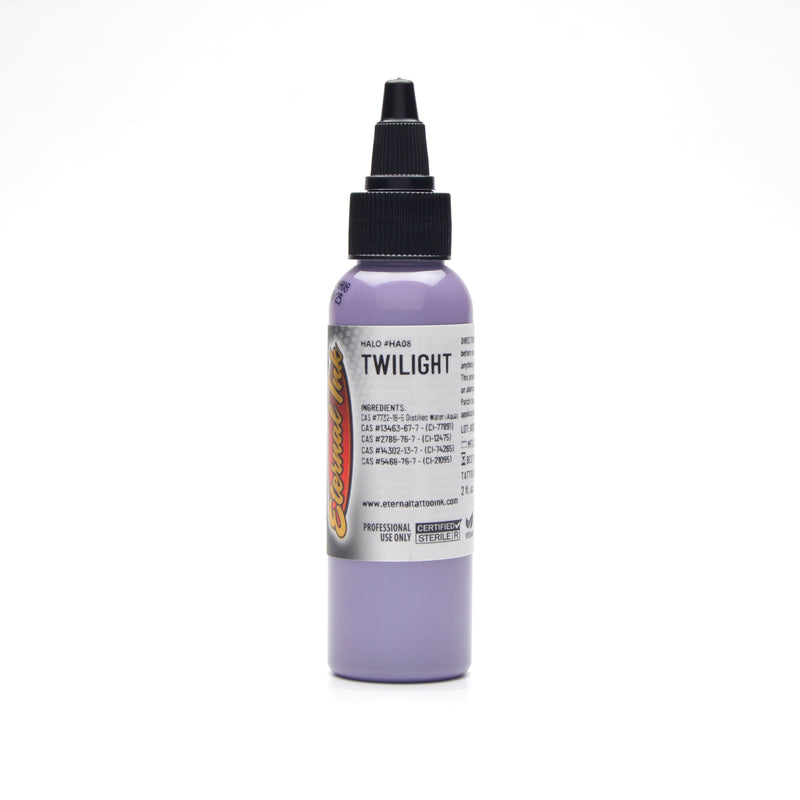
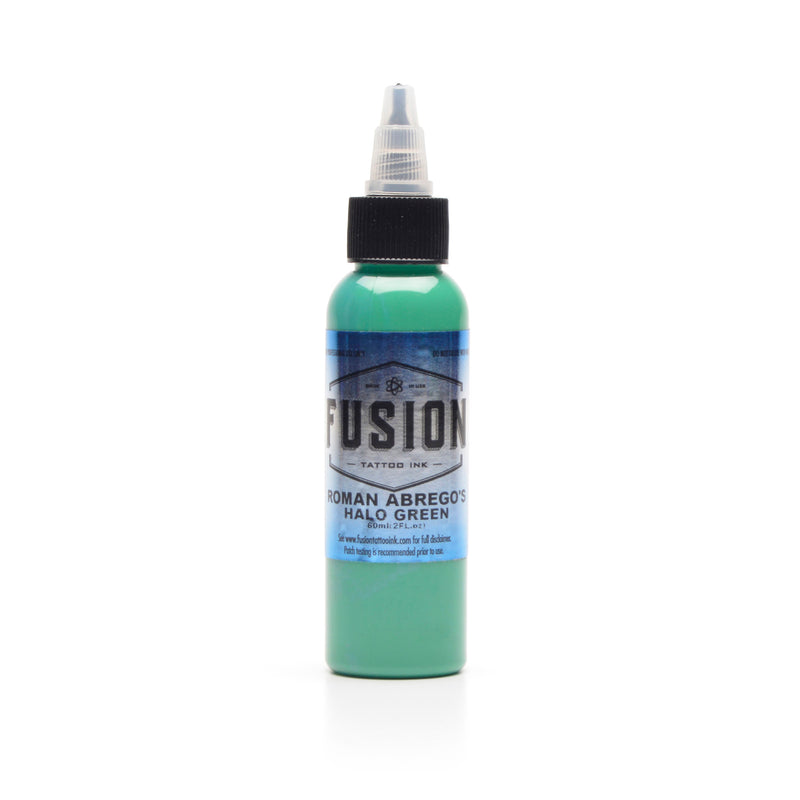
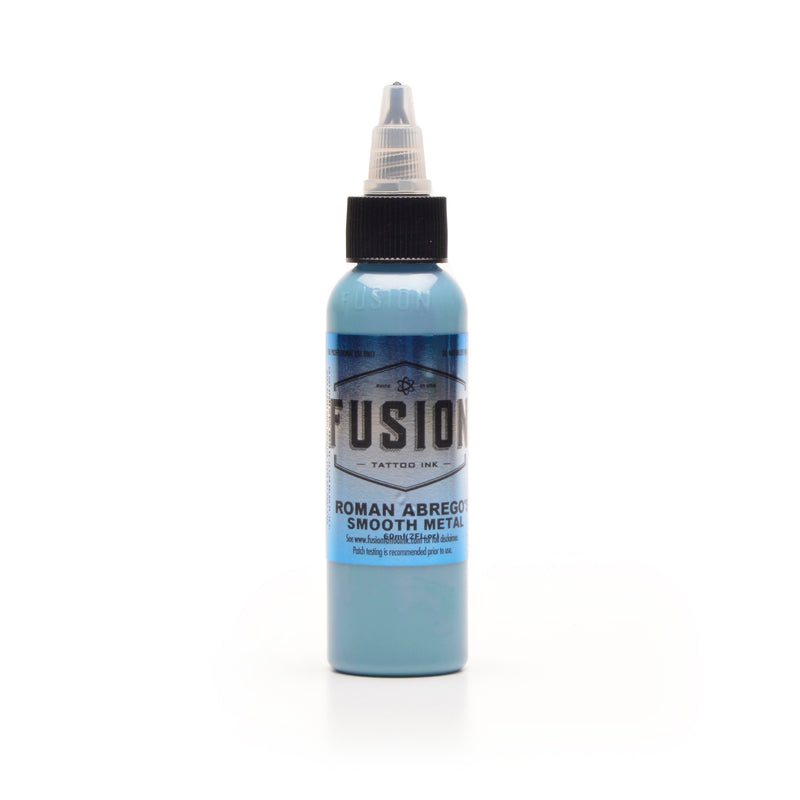
What Does "High Pigment" Actually Mean?
Pigment load is the ratio of colourant to carrier — a formulation fact, not a marketing word. More pigment means the colour goes in with fewer passes.
It is also the property most often confused with brightness, and the confusion costs money. A thin, vivid-looking colour in the cap can go in weaker than a dense one that looks flat in the bottle; what you see on the station is not what the skin gets.
Dispersion, Not a Number
Across the ink range, the property brands actually disclose is not how much pigment is in the carrier — it is how the pigment sits in it. That is the part you can act on.
Pre-dispersed ink has its particles milled to sub-micron size and held evenly through the carrier. It needs no vigorous agitation — a gentle inversion before pouring is enough — and it delivers the same behaviour from the first drop to the last.
Settling ink has particles heavier than the carrier, which separate toward the bottom over time. Shaking by hand is often not enough — mechanical agitation may be needed — and poured without adequate mixing you get carrier-rich ink off the top and pigment-heavy ink off the bottom of the same bottle.
What Pigment Load Changes for You
Coverage per pass, first. A dense colour reaches solid coverage where a thinner one needs a second and third pass to get there — and every pass is more trauma in the same skin.
How far a unit goes, second. Denser colour generally needs less of it to read, so the bottle that costs more per unit is not automatically the one that costs more per piece.
What it does not change is hue. Load and colour accuracy are separate properties; a dense red that runs orange is still a red that runs orange.
What Each Range Discloses
Solid states its pigment family: powder pigments rather than pre-dispersed, for most of its colours, and it publishes its full carrier — unusual disclosure. That is a formulation family, not a density ranking, and Solid does not claim one.
Dermaglo leads on what it calls micro-dispersion — the brand's own term for how finely pigment is worked through the carrier, and its one modernisation claim against a four-decade heritage palette. It is a process description, not published data.
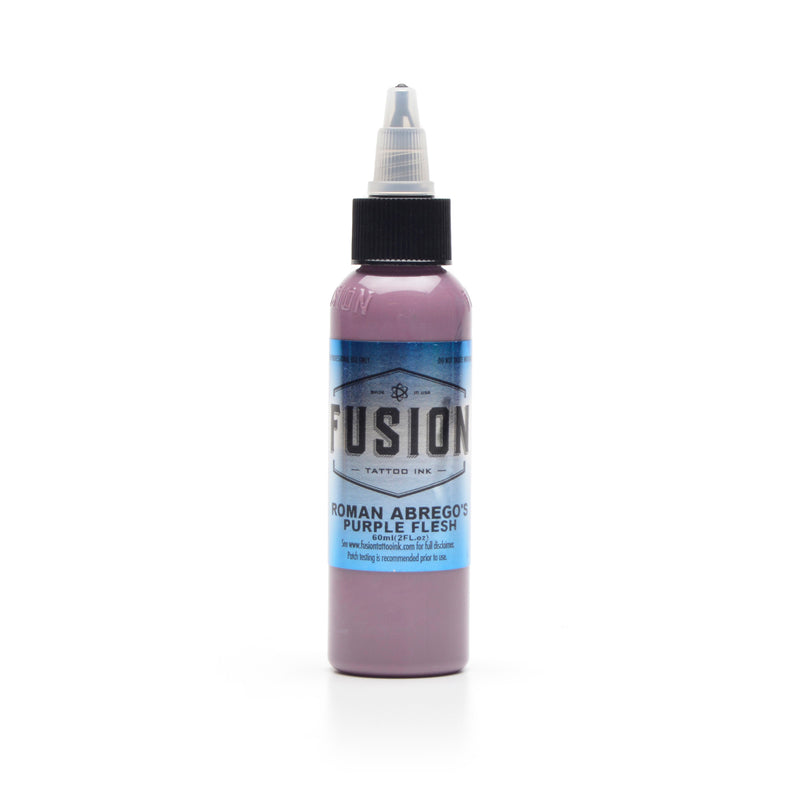
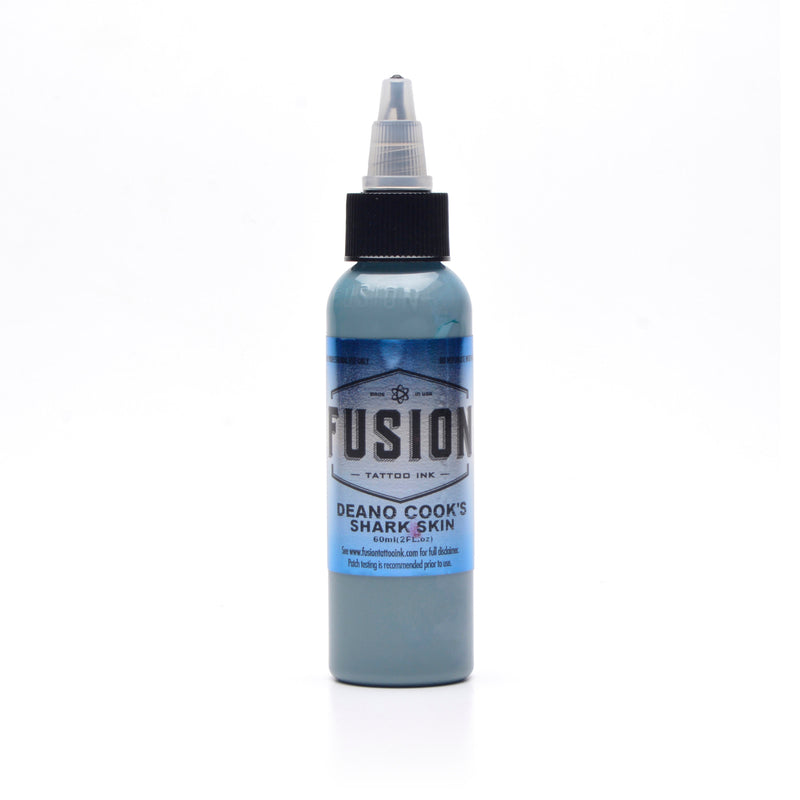
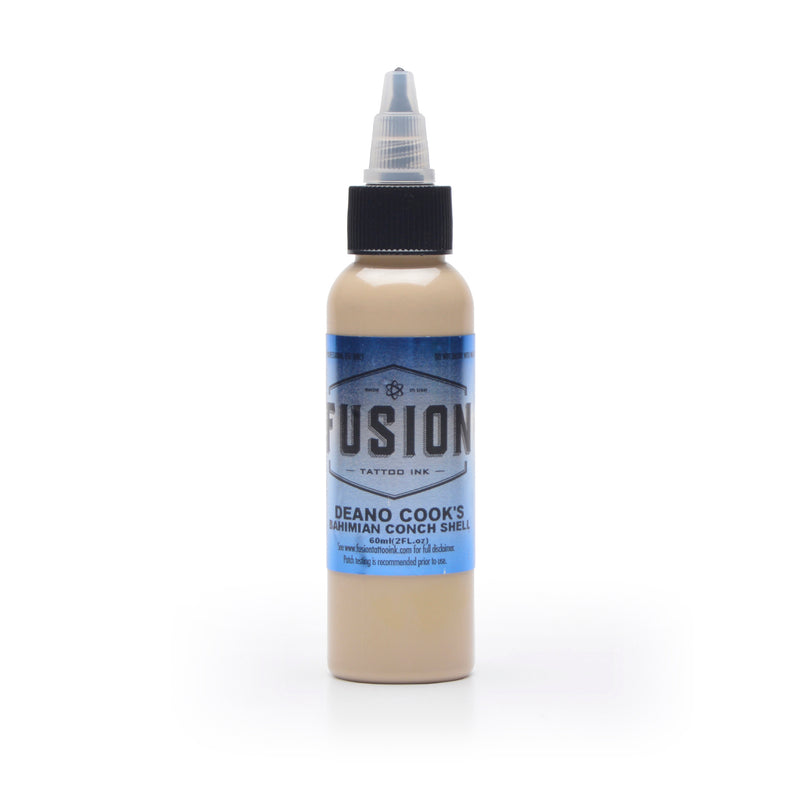
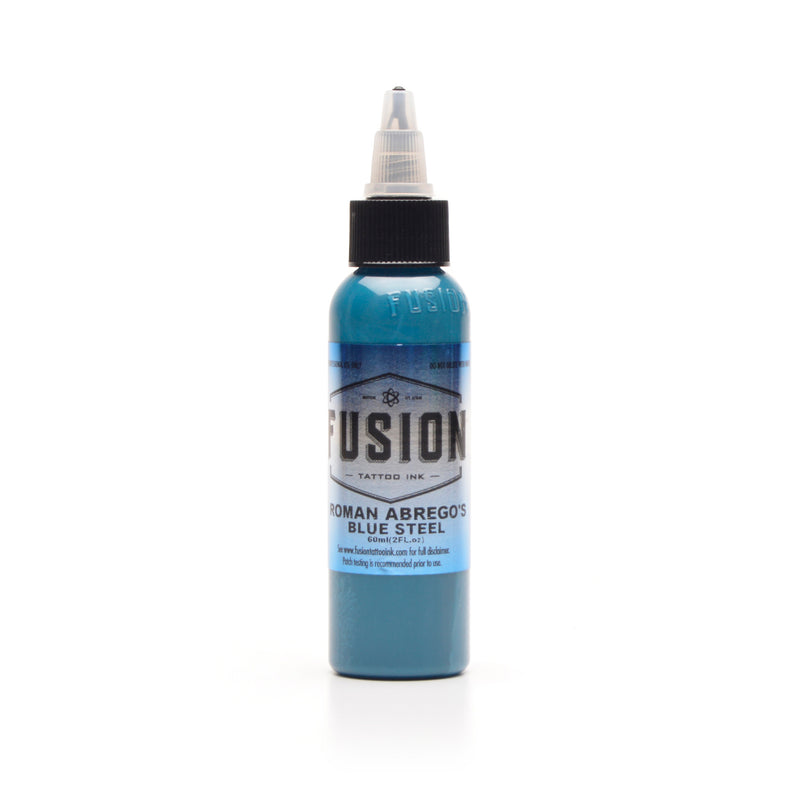
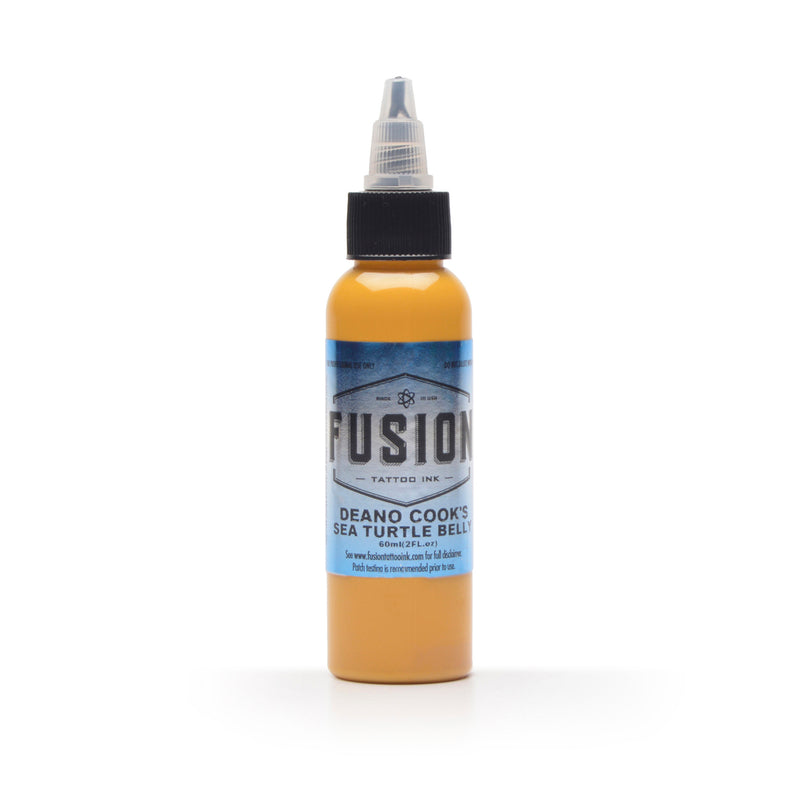
Fusion's Power colours are the high-saturation tier of its main line — maximum pigment, made for packing. Separately, its Gradient System runs graded cuts of each base family, and the full-strength step there is called Uncut.
No brand publishes a load figure across its colour range — the lone exception is Eternal White, disclosed at 25% titanium dioxide on its safety data sheet. So none of this ranks. It tells you what to expect in the cap and on the needle.
Why Viscosity Won't Tell You Either
The common shortcut is to judge load by how thick an ink feels. It does not hold.
A low-viscosity ink can carry a high pigment load if the particles are finely milled and pre-dispersed. A high-viscosity ink can be heavy-bodied from carrier choice, not from pigment concentration at all.
The same applies to CI numbers: two inks sharing one are not the same ink. Carrier, concentration, particle size and dispersion all differ, and any of them changes how the colour goes in.
Which Colours You Actually Want Dense
Not all of them. A realism palette splits by job: the dense colours do the packing, and thinner, more fluid ones do the blending and the soft transitions. Buying everything at the dense end makes gradients harder work, not easier.
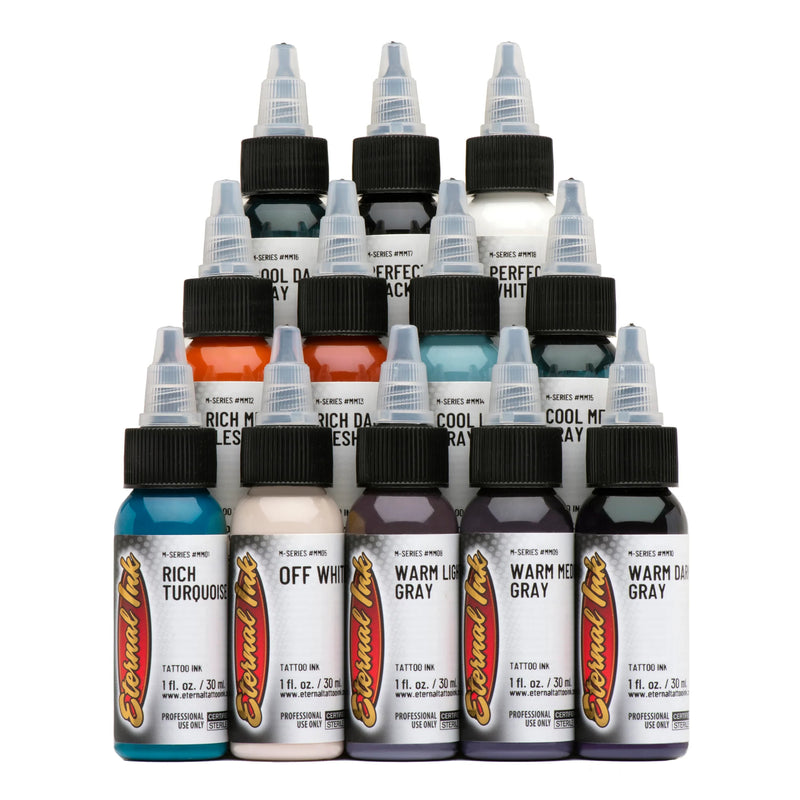
That is why most stations end up holding both, and why the colour realism range — largely artist signature palettes — mixes body weights inside a single set rather than running uniformly dense.
Where density matters most is where colour has to hold a large area against skin, and where it has to stay separate from the greys and whites doing the value work around it. What it will look like a year on is a separate property: how density reads once healed.
Buying High-Pigment Ink in Canada
Colour ships from Kingston, Ontario, and sells to working artists only — ordering needs a verified Pro Account, which is trade access rather than a price tier.
Each colour goes out individually sealed, so a leak in transit costs one colour rather than the order. Heat packs are free from November through March.
Sizes vary by line; each product page lists what a colour comes in. Every brand here is notified with Health Canada, which is what makes it legal to sell in this country.