USA
USA
 Canada


Organic Tattoo Ink - Organic Tattoo Ink
Filters
Products:

What Is Organic Tattoo Ink?
There is no certified-organic tattoo ink, no regulatory body certifies ink as "organic," and in pigment chemistry the word means something other than what it does on a grocery shelf.
"Organic" is a chemistry term for carbon-based: the azo reds and yellows and the phthalocyanine blues and greens are all organic pigments, while the most stable colours, iron-oxide blacks, titanium-dioxide whites, are inorganic minerals. Organic names the chromophore family, not how natural or clean the ink is. One tradeoff worth knowing: those carbon-based pigments are often the fastest to fade under UV, so reaching for "organic" as the cleaner choice can quietly cost some longevity. Not a reason to rule them out, just a call to make on purpose.
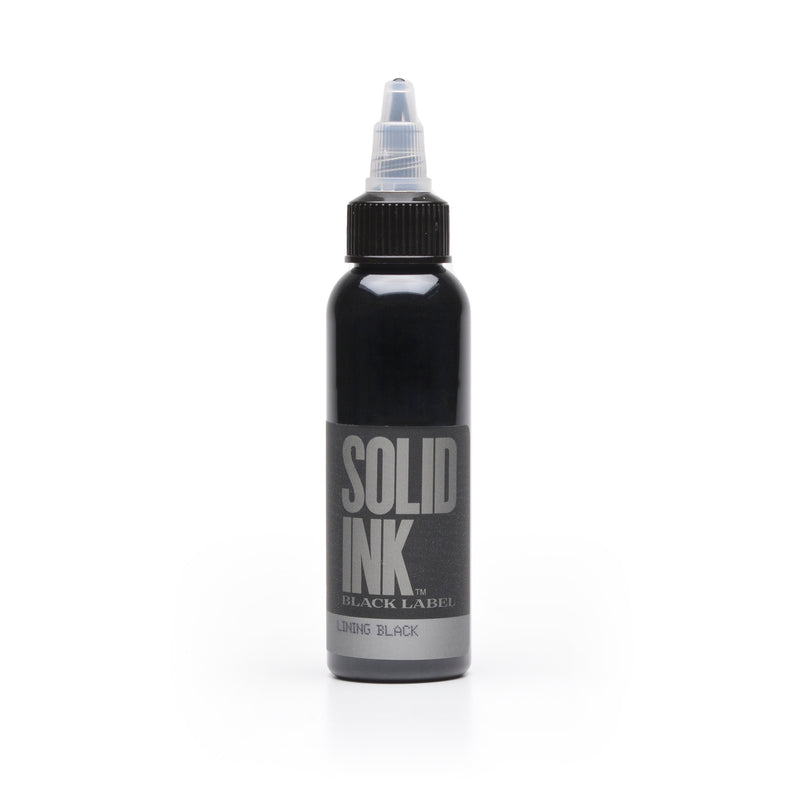
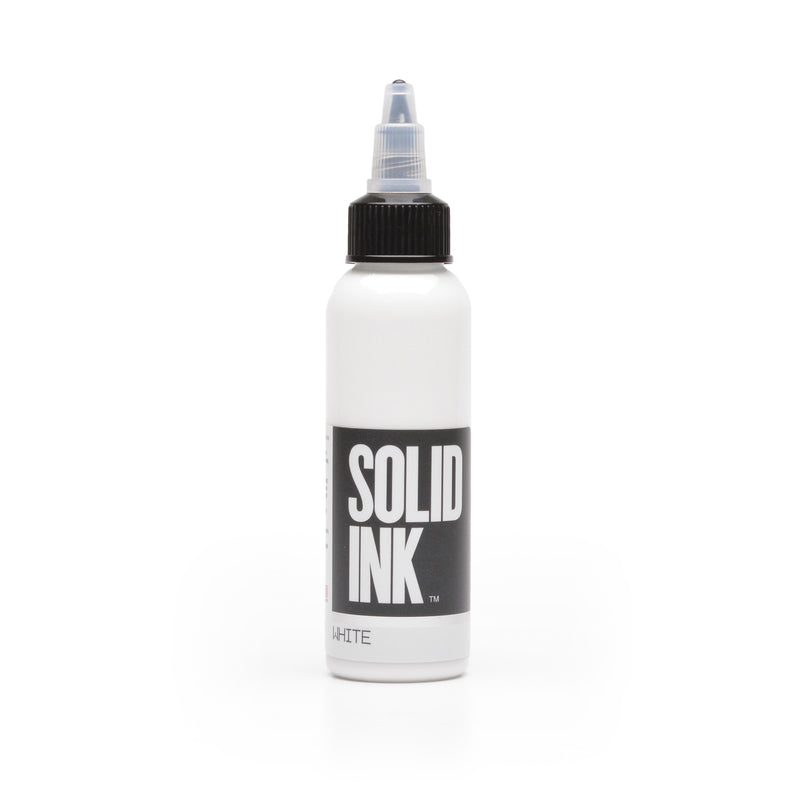
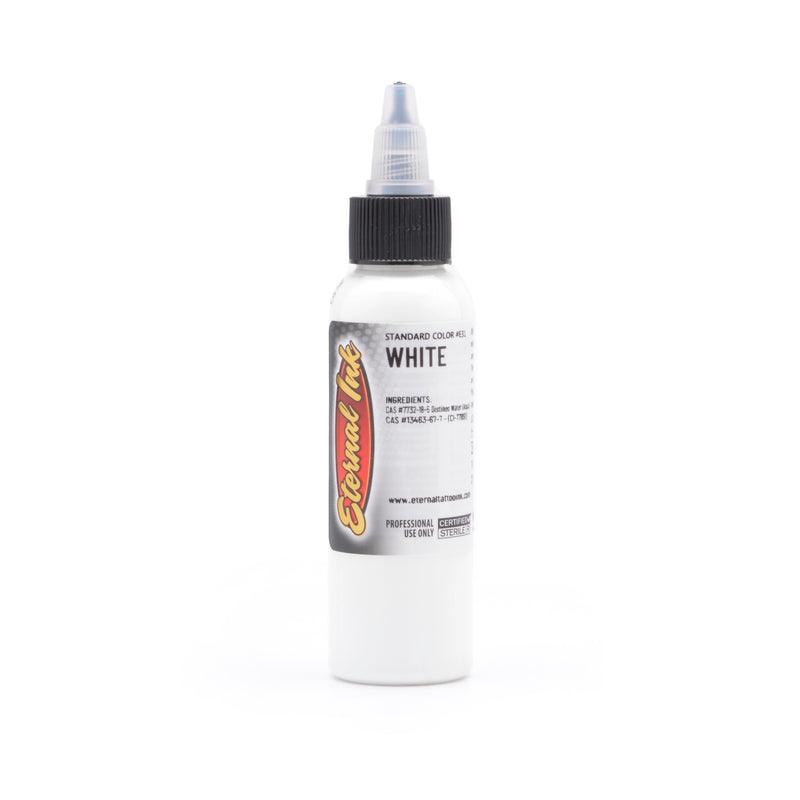
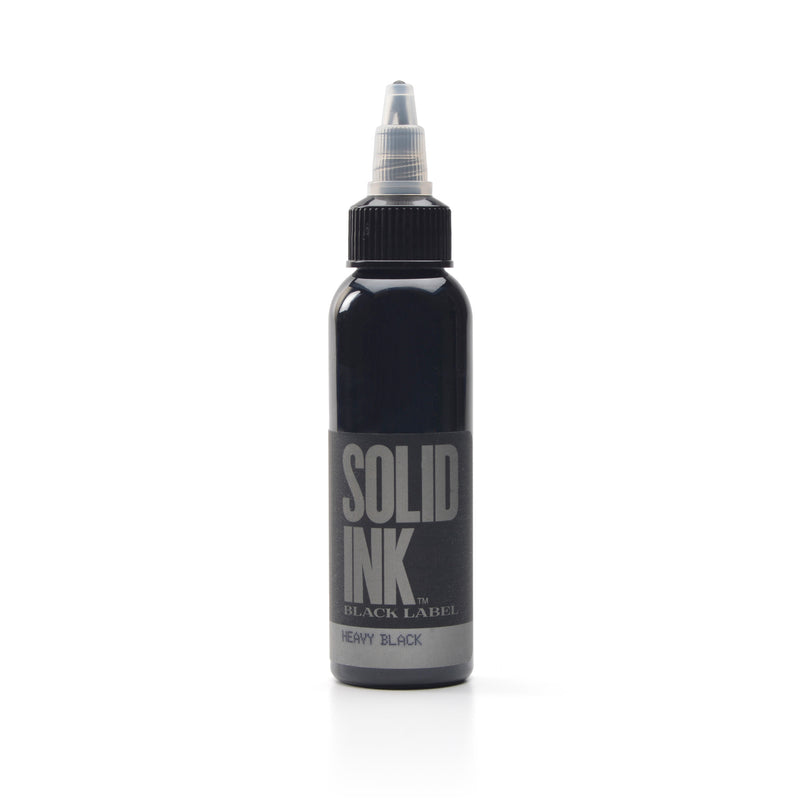
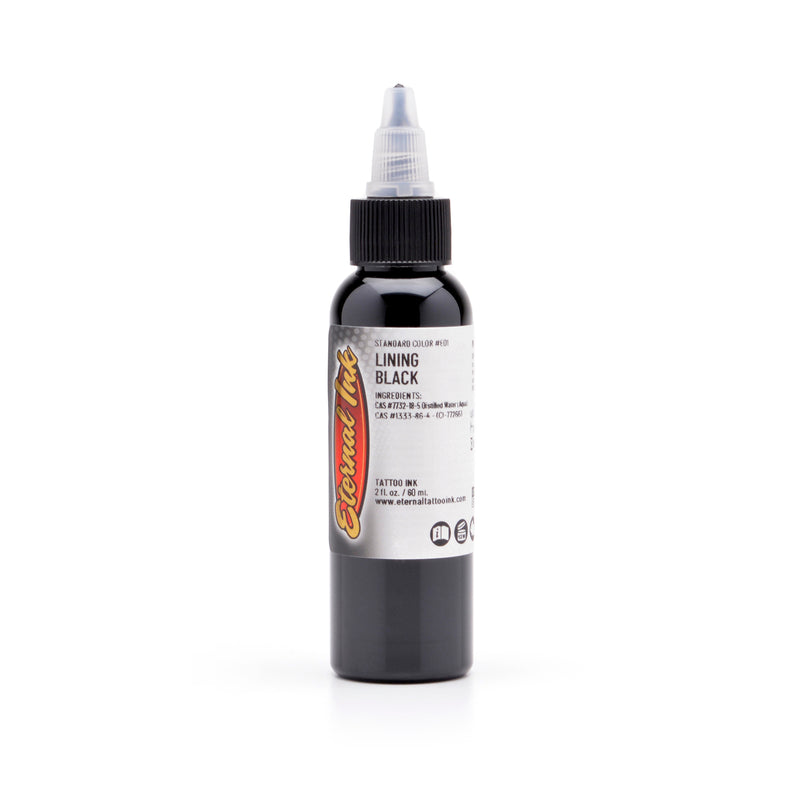
What a search for "organic ink" is really after is a clean, low-risk formulation, and that maps to signals you can verify: vegan-by-default carriers, published ingredient disclosure (Eternal lists Color Index numbers per shade; Solid publishes its full base), and REACH-compliant lines like Panthera that screen out heavy metals and banned preservatives. "Organic" as a purity promise isn't one of them, so the signal worth trusting is what a brand actually discloses, not whether it prints the word.
Is "Organic" Ink Safer or More Natural?
Not inherently, and "natural" is the wrong axis for tattoo-ink safety. What actually governs risk is the chemistry of each pigment and whether the ink meets Canada's impurity limits, not whether a pigment is carbon-based or mineral. The organic (carbon-based) pigments include some of the most reaction-prone in the palette, the naphthol reds built on PR170, the industry's most-documented skin sensitiser, while the stable, low-drama colours are usually inorganic minerals like iron-oxide black.
"Natural" also says nothing about how a colour holds. High-titanium-dioxide pastels, mineral, not organic, are the ones that predictably drift toward grey under UV over a few years. The safety signals worth checking are concrete: Health Canada notification, heavy-metal limits, and a brand that publishes what's in the bottle.
Organic vs Vegan vs Non-Toxic What Each Actually Means
These three words get used interchangeably in ink marketing, but they're separate claims and they don't carry equal weight. Vegan is the most concrete: no animal-derived ingredients, no bone-char black, no carmine, no animal-fat glycerin, and across the brands Eikon carries it's effectively the default, not a premium tier. Cruelty-free is a separate claim again, and none of these brands hold third-party certification, so it's brand-asserted, industry-typical, not a red flag.
"Non-toxic" has no agreed tattoo-ink standard behind it, so on its own it tells you little, and "OSHA non-toxic," which some brands cite, isn't a real designation either: OSHA doesn't test or certify products. Where a brand stakes the word to something specific, Solid describes its base as "organic powder pigments" in its own copy, that's that brand's claim, not an Eikon guarantee or an industry category. Ask what's substantiated per brand rather than trusting the adjective.
What About "Heavy-Metal-Free" and "Non-Toxic" Claims?
"Heavy-metal-free" and "non-toxic" sound reassuring, but neither is a defined tattoo-ink standard you can hold a brand to. Trace metals like iron, titanium, and copper aren't contaminants here, they are the pigment: iron oxide is the black, titanium dioxide is the white, copper phthalocyanine is the blue and green. A blanket "heavy-metal-free" claim would describe an ink with no mineral pigments at all, which isn't how colour works.
What's actually regulated, and what matters, is the impurity benchmark. Health Canada sets benchmarks for the toxic heavy metals — lead at or under 10 ppm, arsenic and cadmium 3, mercury 1 — and enforces them after an ink is on the market. Every ink legally sold in Canada is accountable to those benchmarks, which is a more meaningful guarantee than "non-toxic," a phrase with no agreed standard behind it.
So the honest read: "heavy-metal-free" is usually marketing; "meets Health Canada's impurity limits" is the claim that's verifiable, and it already applies to everything on the shelf.
Is Vegan Ink Actually Better?
Better is the wrong frame, vegan is about what's not in the bottle, not how the ink performs. A vegan formulation means no animal-derived ingredients: no bone-char black, no carmine red from cochineal, no animal-fat glycerin. Across the brands Eikon carries that's effectively the default now, not a premium upgrade, Eternal, Solid, Fusion, Panthera, Empire, and Dermaglo are vegan-formulated. (Kwadron's Inx line makes fewer formulation claims, so it's the one to verify per product rather than assume.)
Where vegan carries weight is sourcing transparency, not chair performance. Artists report no measurable difference in how a vegan ink lays in or heals versus the increasingly rare animal-derived legacy formulas; synthetic and plant-derived equivalents behave identically. What vegan does not promise is allergen-free: a vegan ink can still contain a known sensitiser like the naphthol reds, so it's no substitute for checking a brand's ingredients for a reactive client.
If "vegan" is the priority, the real signal is which brands publish ingredient-level detail to back the claim. Solid and Panthera lead there, rather than which simply print the word.
What "Clean" Means for Sensitive Skin
For a client with known sensitivities, "clean" should mean specific, checkable facts, not a label. The single most documented reaction risk in tattoo ink isn't a contaminant; it's a pigment: Pigment Red 170, the naphthol red used across most brands' red spectrum, is the colour family most worth discussing before a session with a reactive client. That's a category-level property, not a brand failure.
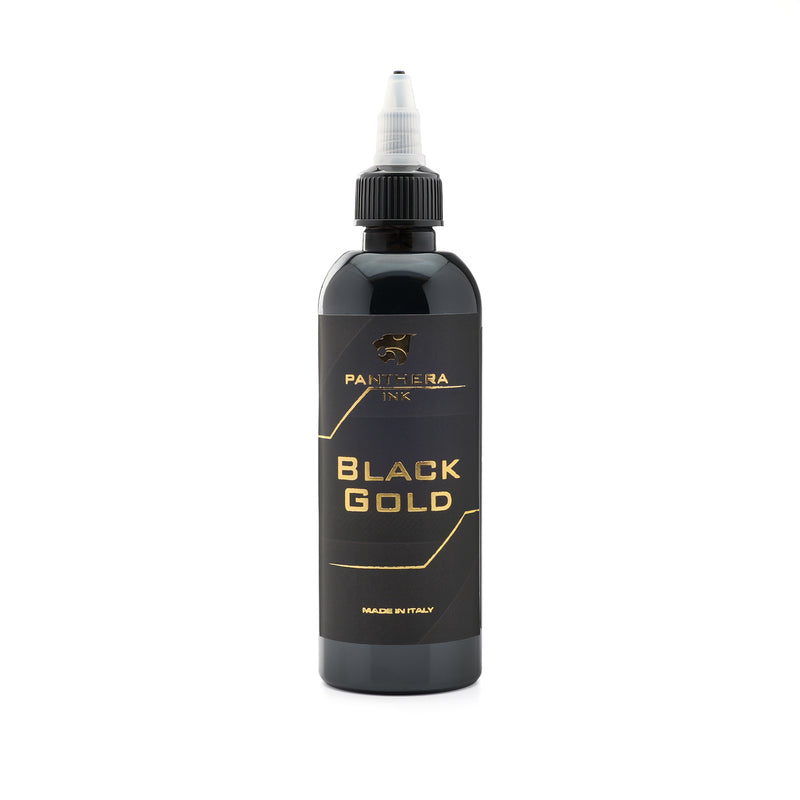
A few formulations are built for exactly this concern. Panthera's Black Gold drops conventional preservatives for a citrus-and-acid system, which is genuinely relevant for clients with preservative sensitivities, though "preservative-free" is a sourcing choice, not a proven healing advantage. The dependable move is mechanical: pull the brand's MSDS and check the actual ingredients before booking, which Eikon publishes for every brand in the catalogue.
"Clean" you can act on is a known ingredient list and a documented sensitiser to avoid, not an adjective on the bottle.
What Actually Makes Tattoo Ink Safe in Canada
In Canada, tattoo inks are regulated as cosmetics under the Food and Drugs Act, and that framework, not any label adjective, is what "clean" should mean here. Every ink sold legally has to be notified to Health Canada and carry bilingual INCI ingredient labelling, and the manufacturer is responsible for keeping it within Health Canada's heavy-metal and ISO 17516 microbial limits, which Health Canada enforces in the market.
That compliance work falls on the manufacturer and distributor, not the artist. Eikon carries only brands that have notified Health Canada, so the ink on the shelf is from a notified brand; artists aren't navigating customs or tracking down notification paperwork themselves.
It's worth being precise: a Health-Canada-notified ink has been declared to the regulator and falls under Health Canada's impurity and microbial limits; it does not mean any product is guaranteed reaction-free for every client. That honesty is the point, and it's a more meaningful signal than "organic" ever was.
Eikon carries only brands that have notified Health Canada, which is why a popular line like Dynamic isn't on the shelf (an administrative notification gap, not a formulation problem). That regulatory engagement runs deeper than ink: Eikon is the only Canadian tattoo supplier holding an active Health Canada Medical Device Establishment Licence (MDEL), which covers the professional needles and cartridges it distributes, not the ink, which is regulated separately as a cosmetic.
Which Eikon Ink Brands Suit a Clean-Formulation Priority?
If clean formulation is the priority, look at what a brand actually discloses rather than the words on the front of the bottle. Across the brands Eikon carries:
-
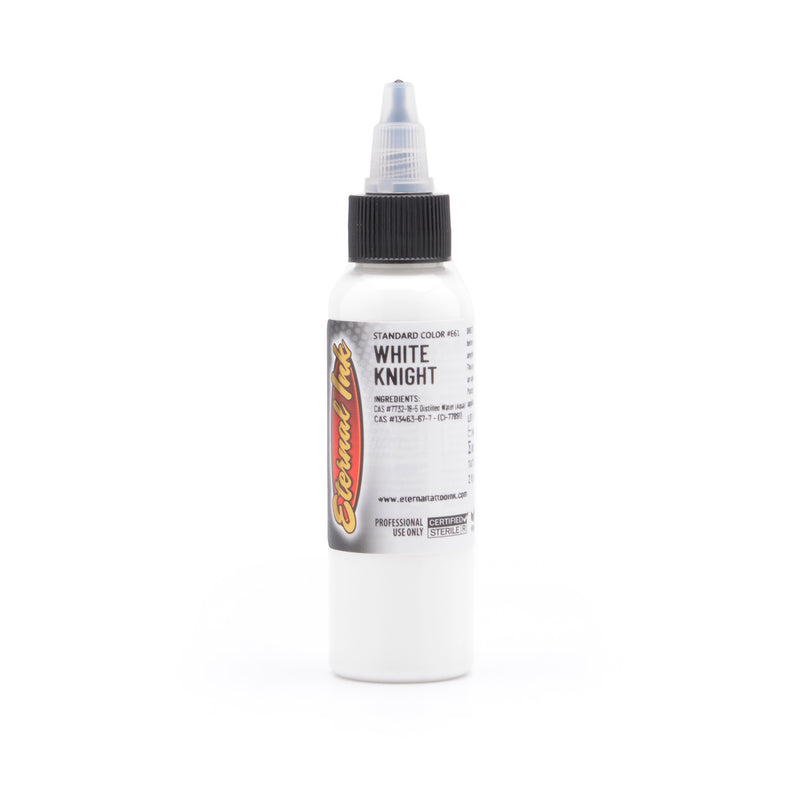
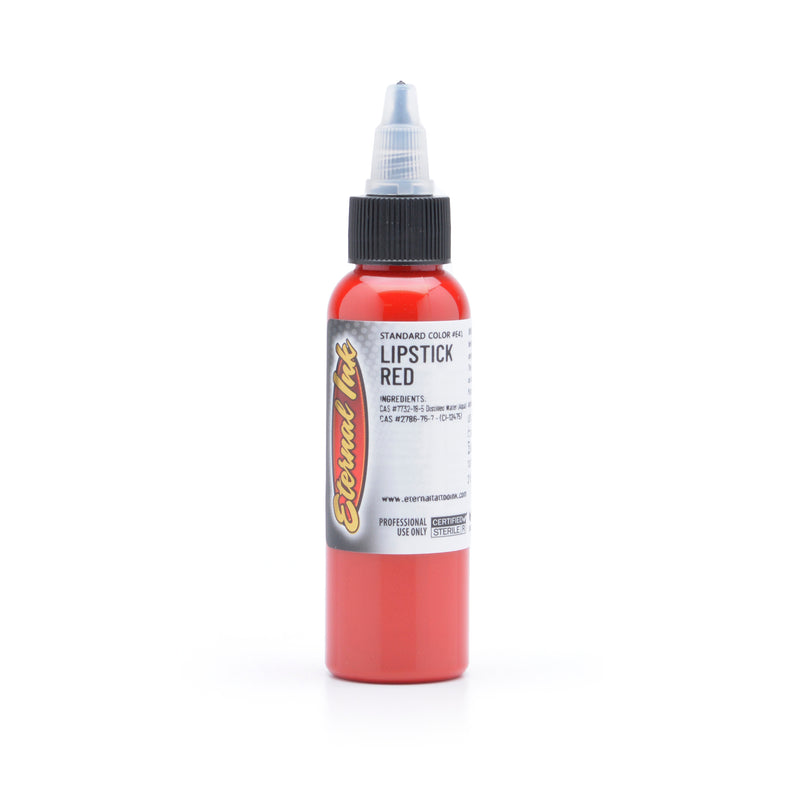
Eternal publishes Color Index numbers for every shade, the most detailed ingredient disclosure of any brand we carry, so an artist can check a specific pigment before a sensitive client.
-
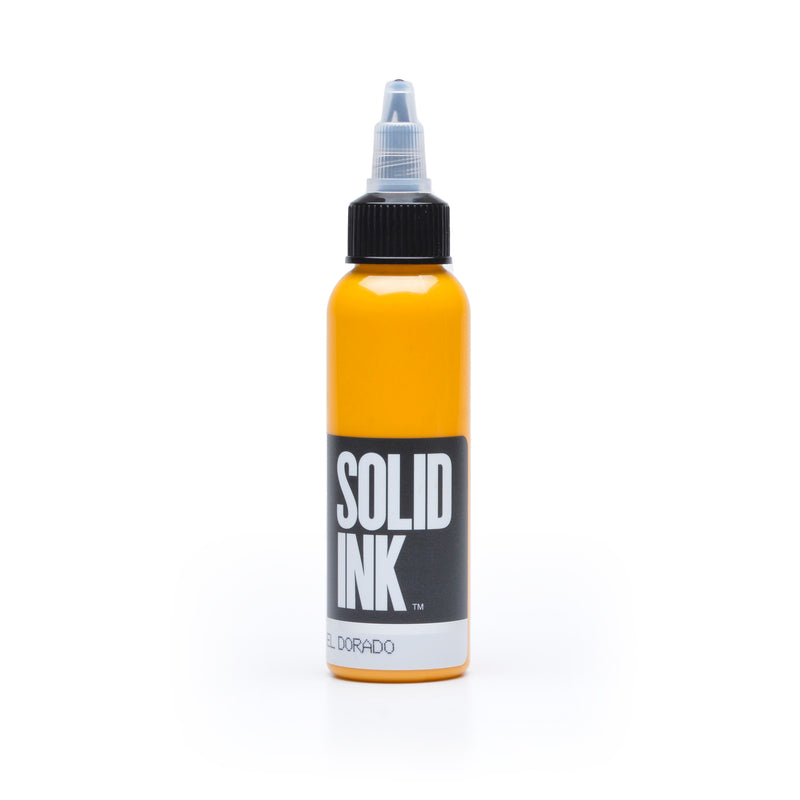
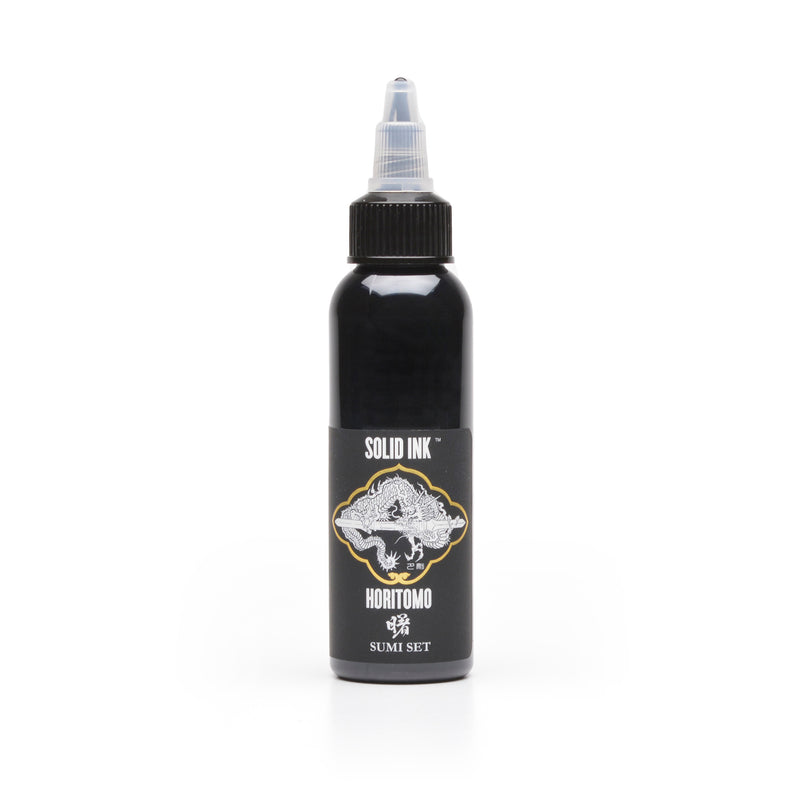
Solid publishes its full base, vegetable glycerin, distilled water, witch hazel, and is 100% vegan and gluten-free.
-
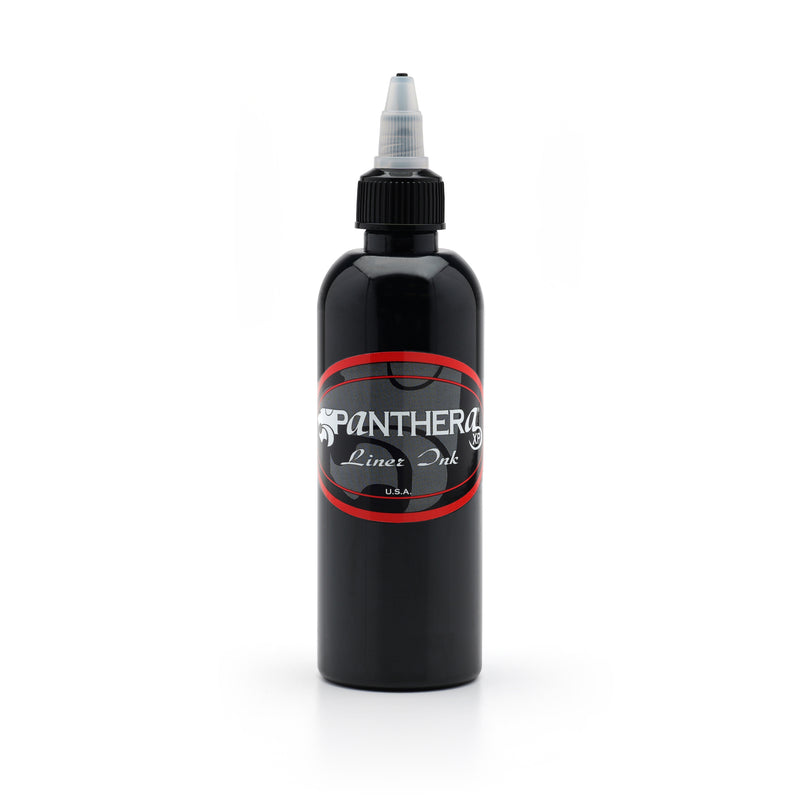
Panthera is REACH-compliant, formulated to the EU's strict limits on heavy metals and banned substances; its Black Gold replaces conventional preservatives with a citrus-extract and acid system.
-
Empire is 100% vegan, with well-substantiated formulation claims.
-
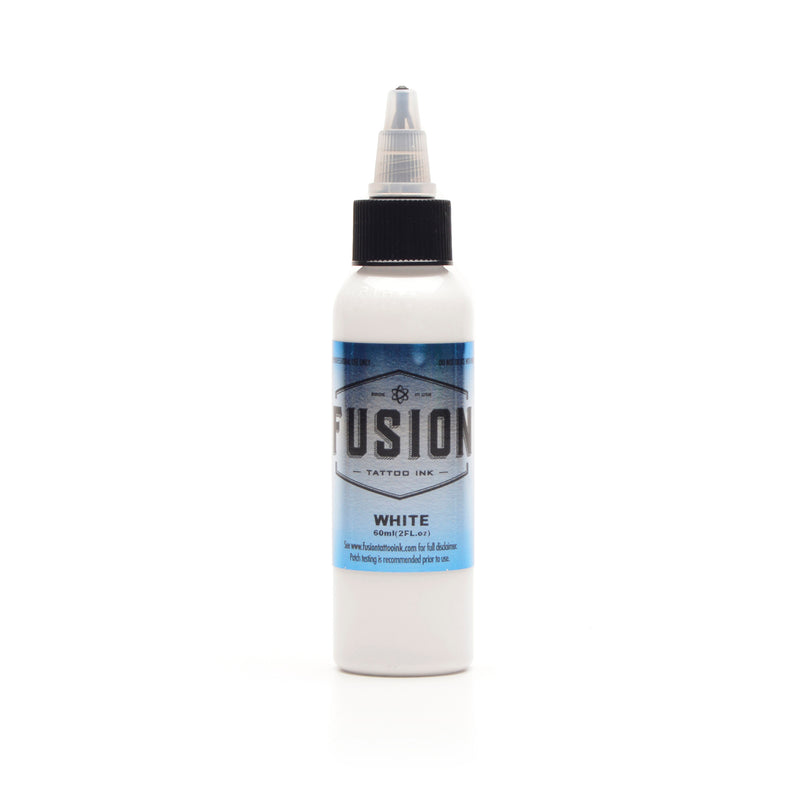
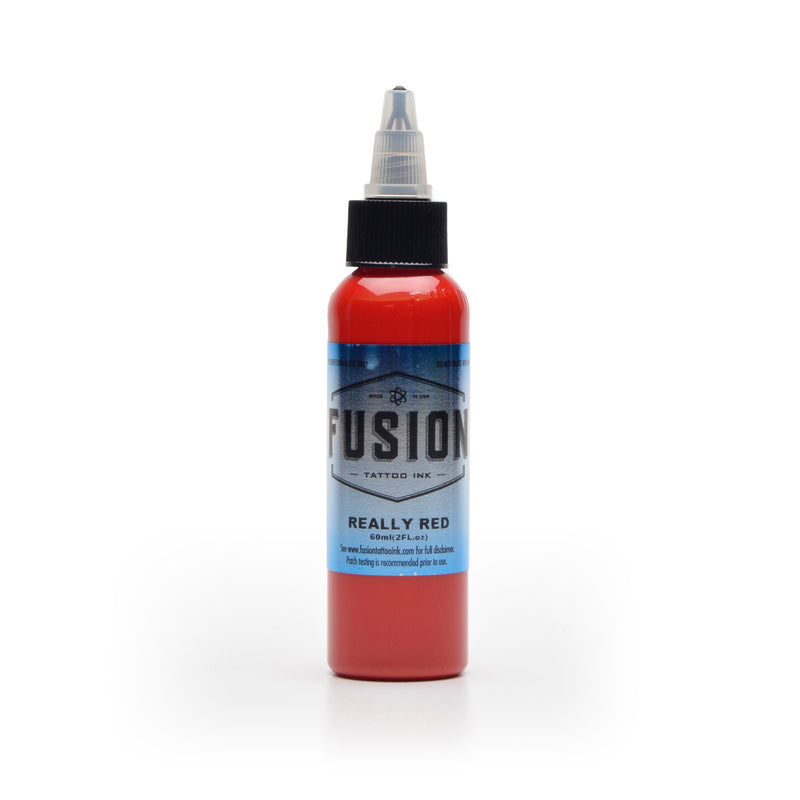
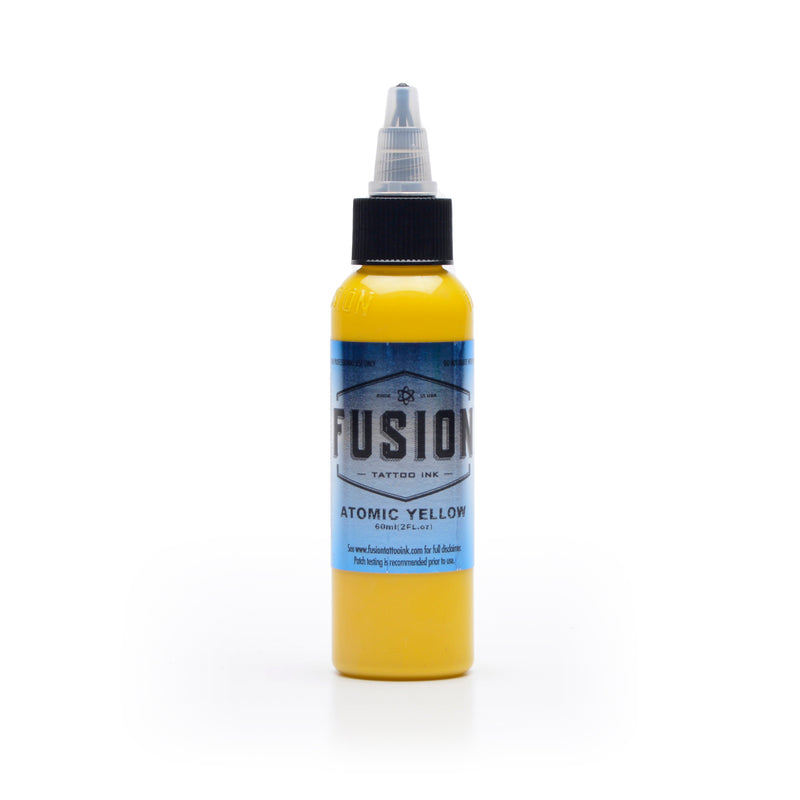
Fusion is vegan-formulated, with solid mid-level disclosure.
-
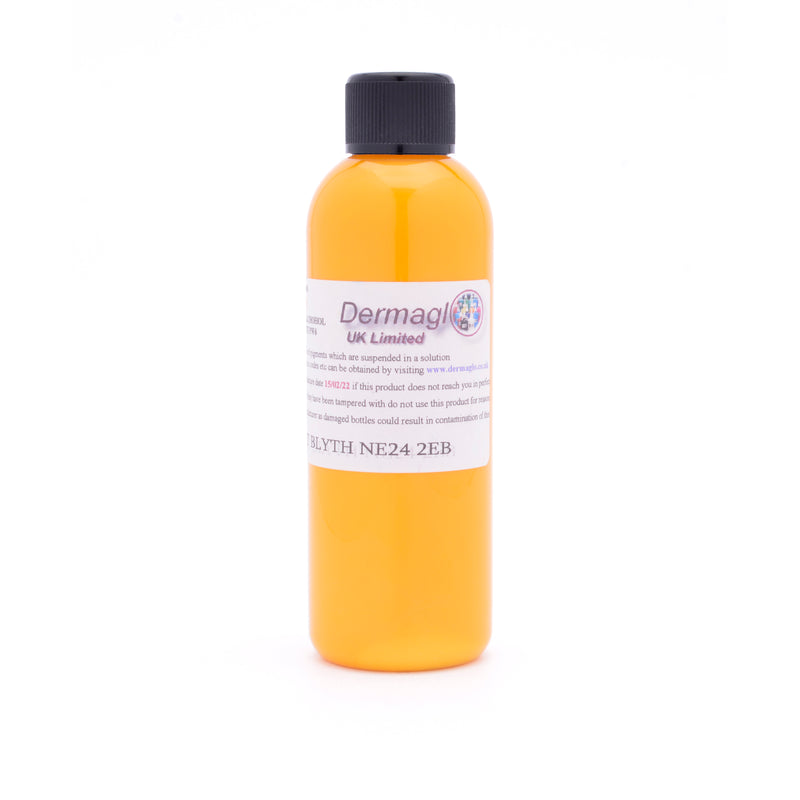
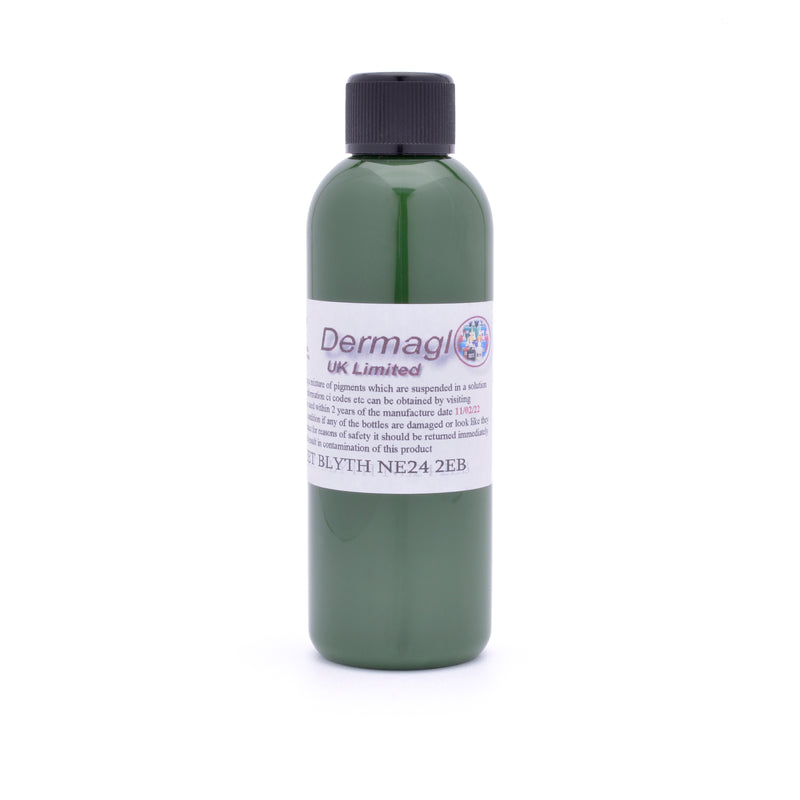
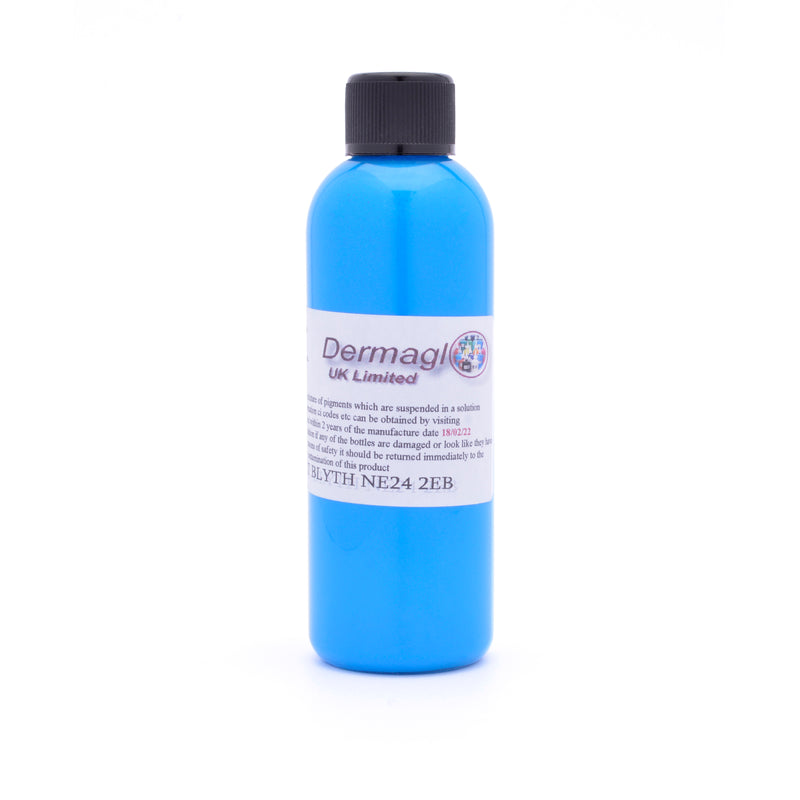
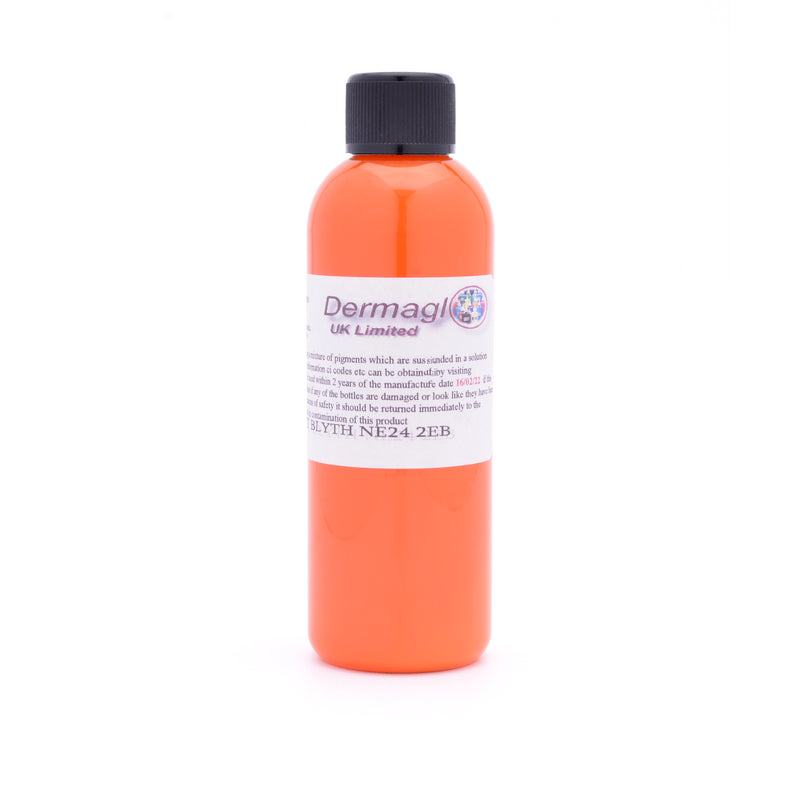
Dermaglo is vegan; published ingredient detail is lighter (per-product SDS available).
-
Kwadron, better known for its needles and cartridges, makes fewer formulation claims on its Inx line, check the specific product page before a sensitive client.
None of that is a safety guarantee, and "clean" isn't a category you can buy, but disclosure you can verify beats an adjective you can't. Every Eikon-stocked ink is Health Canada compliant, and full ingredient breakdowns are on each product page.